For iPhone · Free · No ads

A feed that leaves you knowing more.

Wunderfeed is a swipe feed of short discoveries: why a mantis shrimp with twelve color receptors is bad at telling colors apart, how a slime mould with no brain drew a network like Tokyo's railways. Each takes about a minute. Every claim has a source.

Coming soon on theApp Store

  • No account
  • No tracking
  • German & English
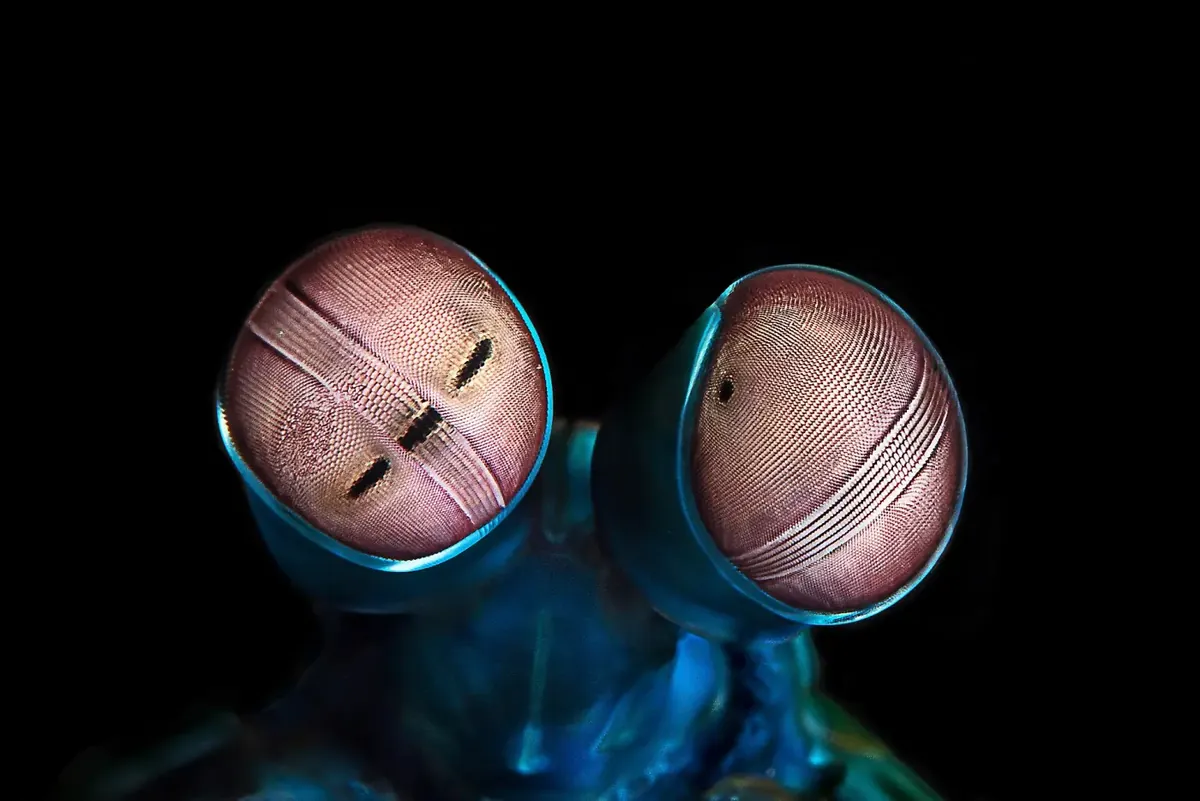
The two large, striped compound eyes of a mantis shrimp against a black background

Photo: Cédric Peneau

Nº 006 · Nature · 50 sec

12 color receptors – and still bad at seeing colors?

It has one of the most complex eyes in the animal kingdom. And tells colors apart worse than we do.

Show me

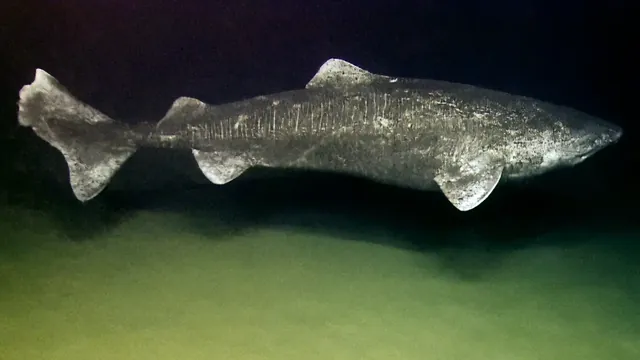
A Greenland shark gliding just above the seafloor

272years

at least, estimated up to 510

Quick & curious · Nature

Greenland sharks can live for over 270 years.

They are the longest-lived vertebrates known. Their age is determined from the lenses of their eyes.

Image: NOAA Okeanos Explorer Program

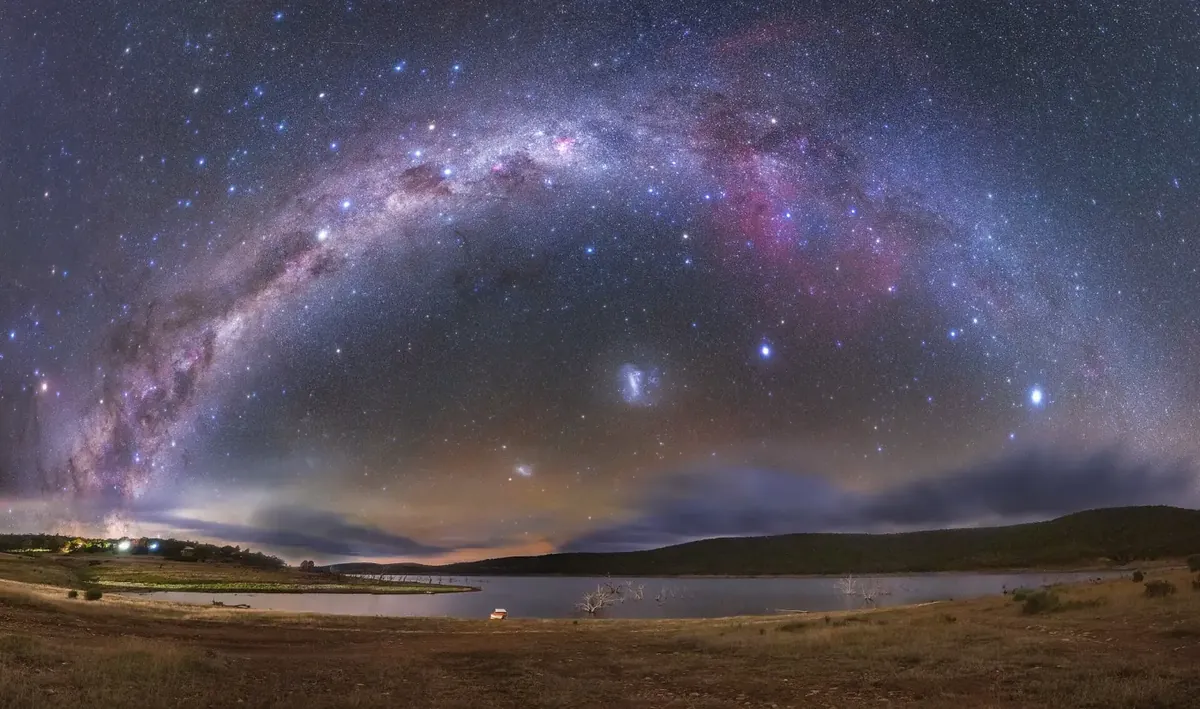
The Milky Way arching over a lake in Australia

Photo: Lucy Yunxi Hu/IAU OAE

✦ New researchNature · June 2025

Nº 044 · Nature · 50 sec

Bogong moths find their way by the stars

They fly up to 1,000 kilometres to caves they have never seen. A flight simulator with an artificial night sky shows what guides them.

Show me

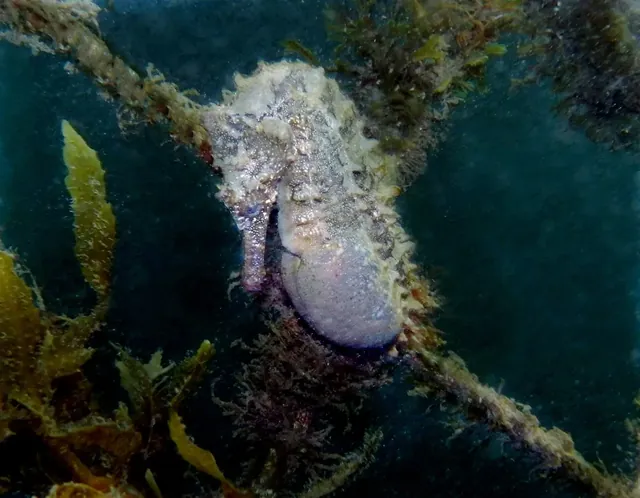
A pregnant male seahorse with a swollen brood pouch

1,500eggs

fit in the brood pouch

Quick & curious · Nature

Male seahorses get pregnant.

The female deposits eggs in his brood pouch. Later, the male releases fully developed young.

Photo: Sylke Rohrlach from Sydney

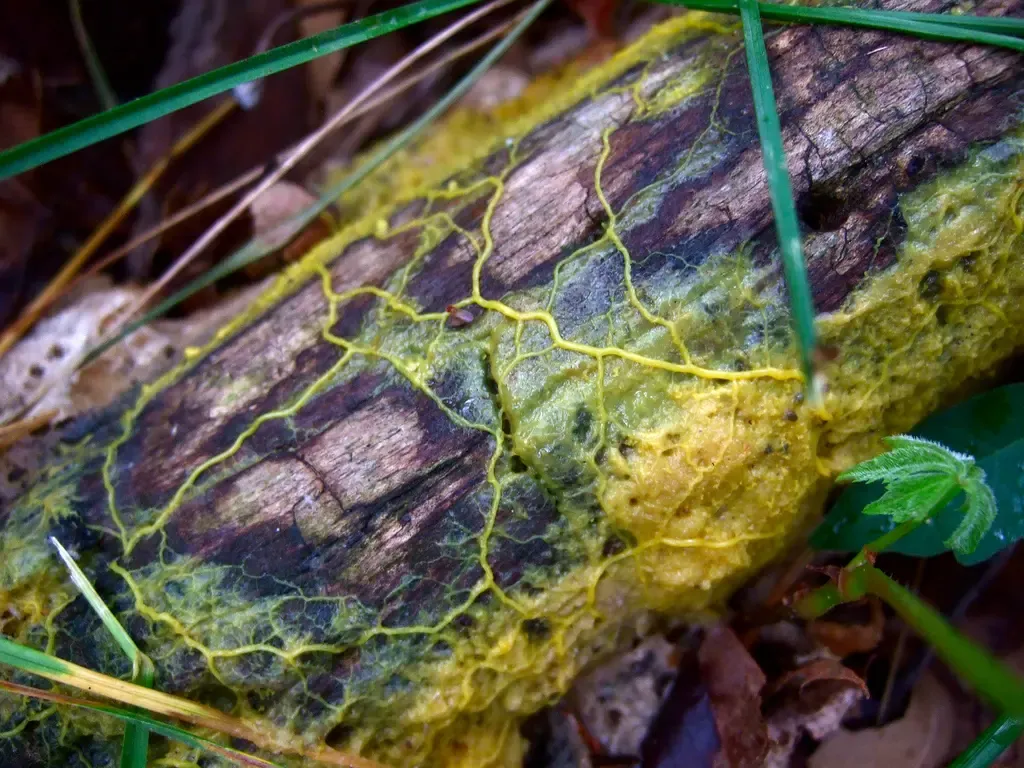
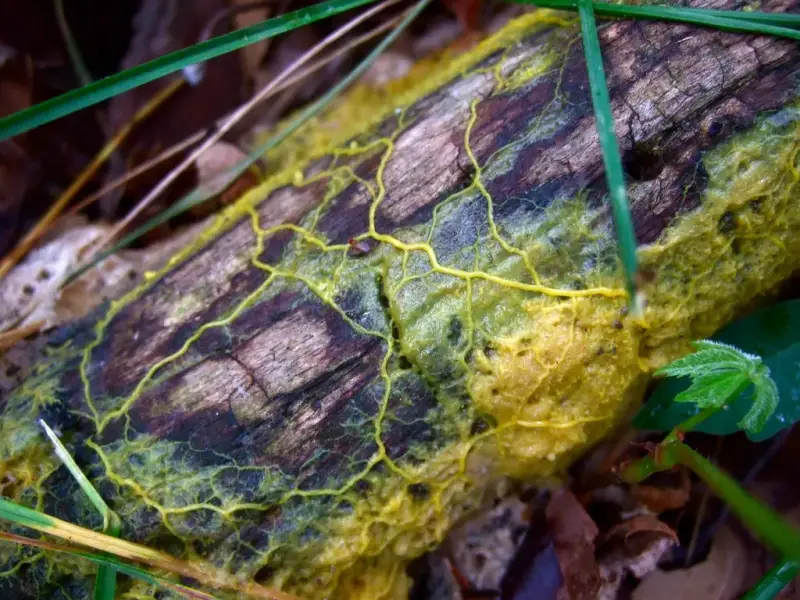
Yellow web of the slime mould Physarum polycephalum on a rotting branch

Photo: frankenstoen

Nº 066 · Nature · 50 sec

A brainless slime mould designed a network like Tokyo's railways

Oat flakes were laid out like the cities around Tokyo. After about a day, a yellow single cell had linked them – much like the real rail network.

Show me

Pause

Five discoveries. Which one stays with you?

  • 12 color receptors – and still bad at seeing colors?
  • Greenland sharks can live for over 270 years.
  • Bogong moths find their way by the stars
  • Male seahorses get pregnant.
  • A brainless slime mould designed a network like Tokyo's railways

Enough for now? Totally fine. Swipe up for more.

Scroll inside the phone, or click itTap the phone for the next one

From the catalog

Not the usual trivia.

Less “did you know”, more “so that’s why”. Every discovery explains a mechanism, a measurement or a story: from studies published this year to old myths that finally get a proper answer.
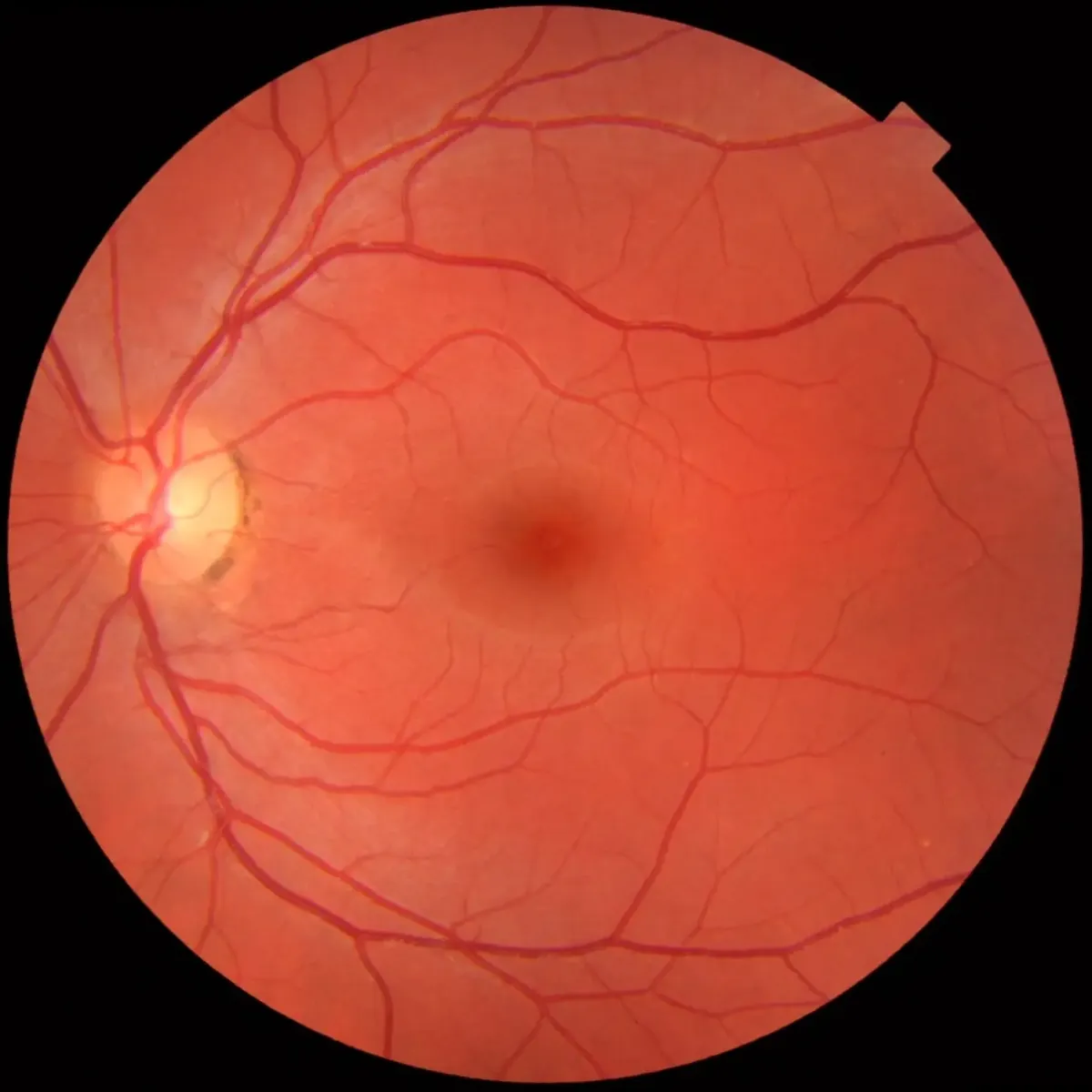
  • Photograph of a healthy human retina with blood vessels and the optic disc

    Photo: Mikael Häggström

    ✦ New researchScience Advances · April 2025

    Nº 048 · Perception · 55 sec

    Five people have seen a color that doesn't exist in nature

    A laser at Berkeley stimulated just one type of cone cell. The result was "olo": a blue-green more saturated than any color in nature.

    Guess first

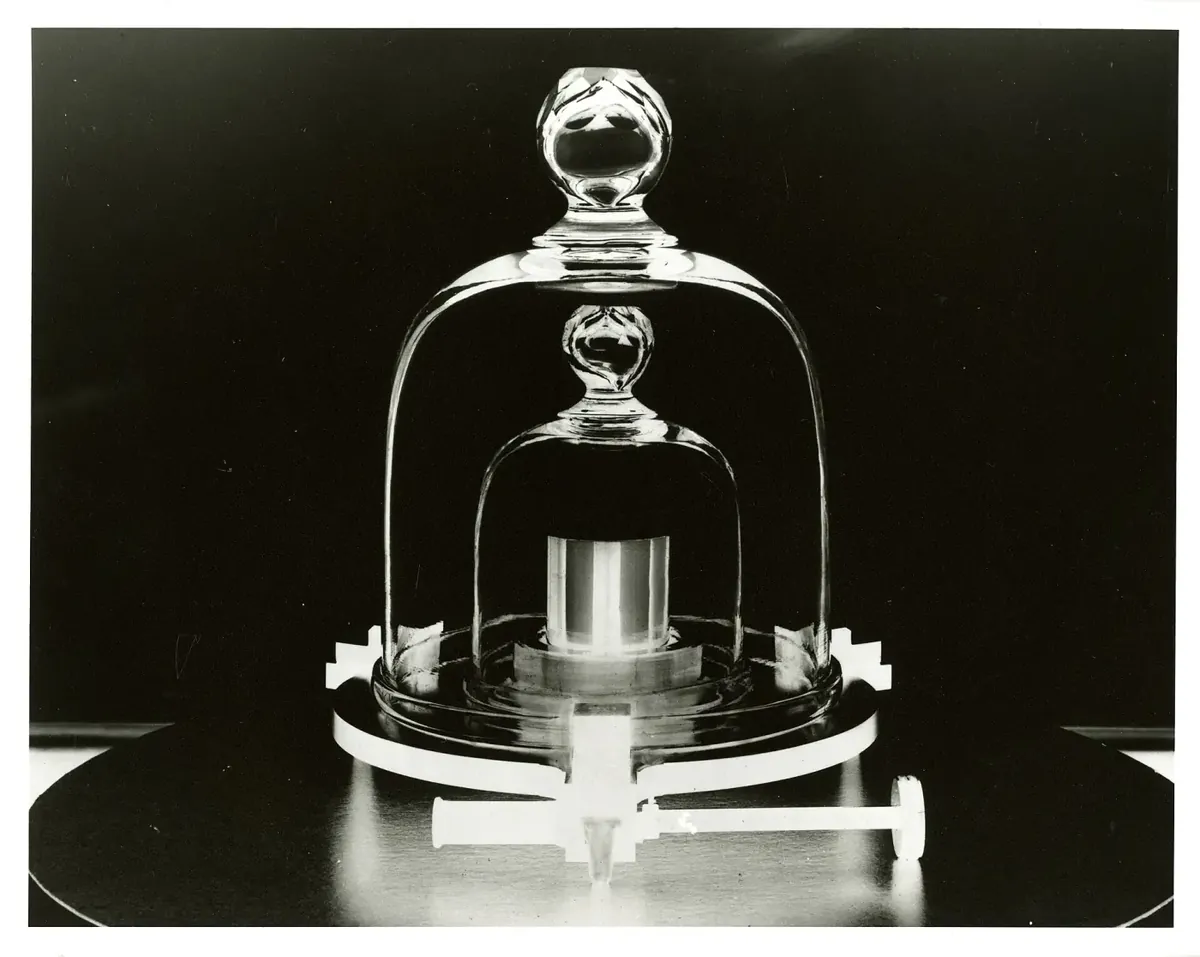
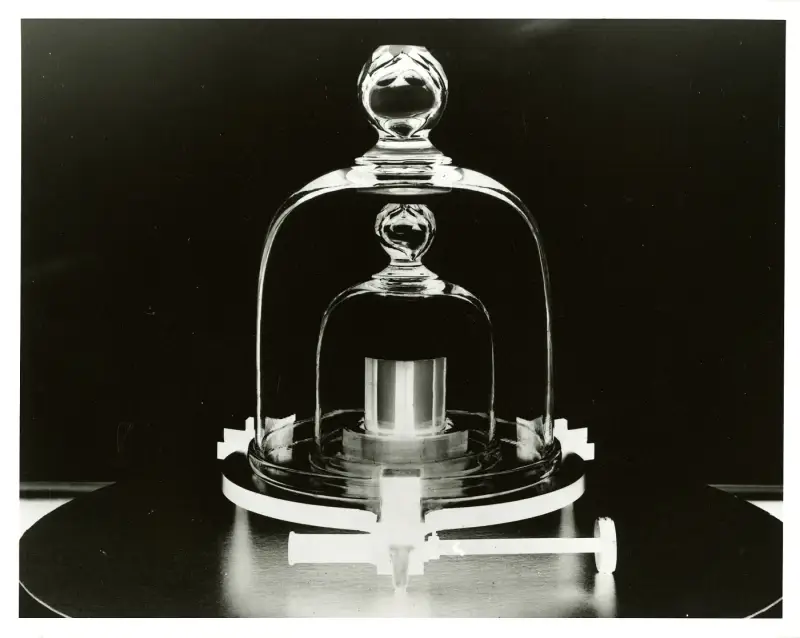
  • Replica of the kilogram prototype under two nested glass bell jars

    Photo: National Institute of Standards and Technology

    Nº 064 · Technology · 50 sec

    The kilogram prototype got lighter – or all its copies got heavier

    For 130 years, a metal cylinder near Paris was by definition exactly one kilogram. That was precisely the problem.

    Show me

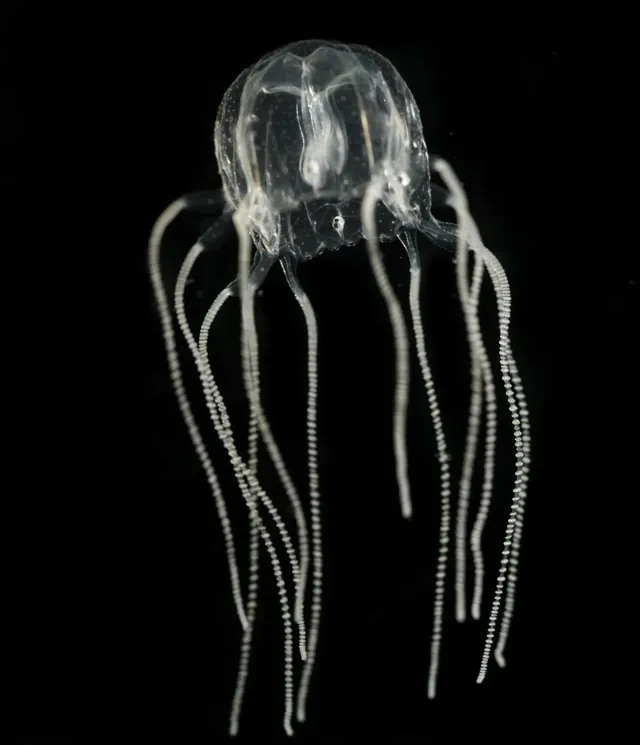
  • A transparent box jellyfish with long, beaded tentacles against a black background

    3–5

    failed dodges are enough to learn

    Quick & curious · Nature

    Jellyfish learn without a central brain.

    After a few collisions, they kept further away from obstacles. Learning happens in their sensory clubs.

    Photo: Jan Bielecki

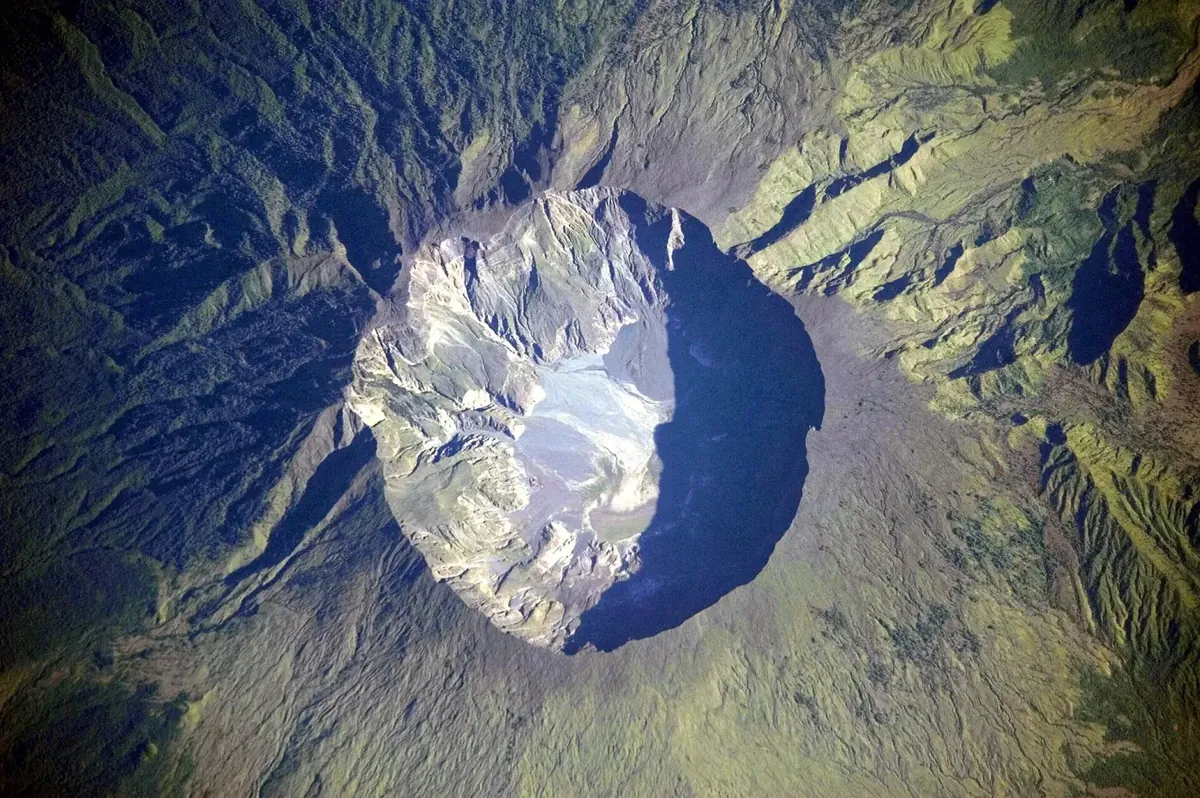
  • The crater of Tambora on Sumbawa, photographed from the International Space Station

    Photo: This image was taken by the NASA Expedition 20 crew.

    Nº 056 · History · 50 sec

    What does a volcanic eruption have to do with Frankenstein?

    In 1815, Tambora explodes in Indonesia. A year later, an 18-year-old is stuck in endless rain on Lake Geneva – and invents a monster.

    Show me

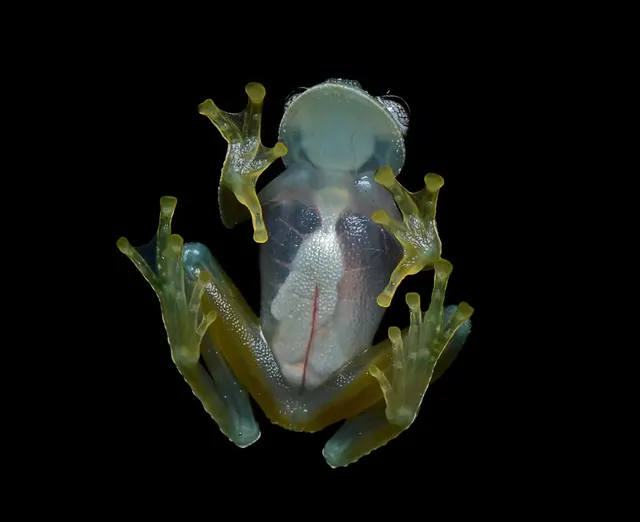
  • A glass frog seen from below: its organs are visible through skin and muscle

    89%

    of red blood cells end up in the liver

    Quick & curious · Nature

    Glass frogs hide their red blood cells.

    At rest they store almost 90 percent of their red blood cells in their liver, becoming more transparent.

    Photo: Geoff Gallice from Gainesville, FL, USA
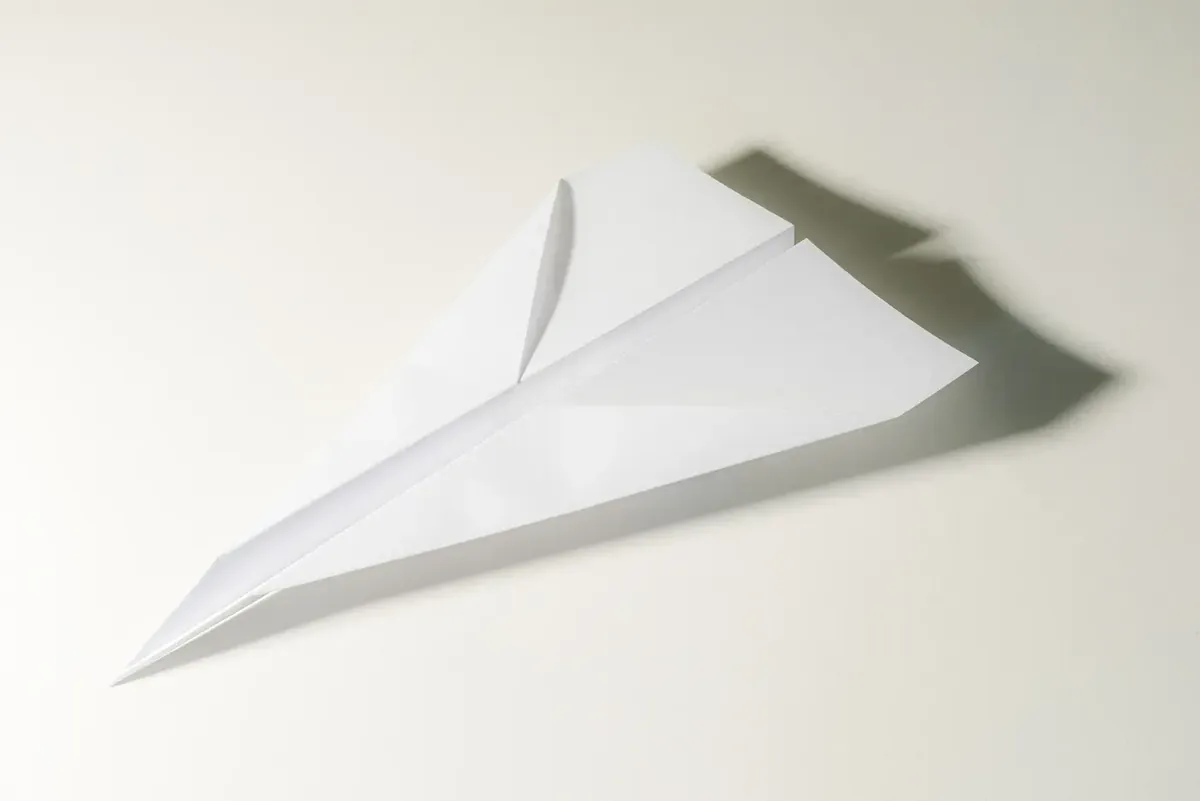
  • A paper plane made of white paper on a light background

    Photo: Dietmar Rabich

    Nº 062 · Numbers · 50 sec

    A sheet of paper all the way to the Moon?

    A sheet is 0.1 mm thick, the Moon about 384,400 km away. The answer sounds like a miscalculation.

    Guess first

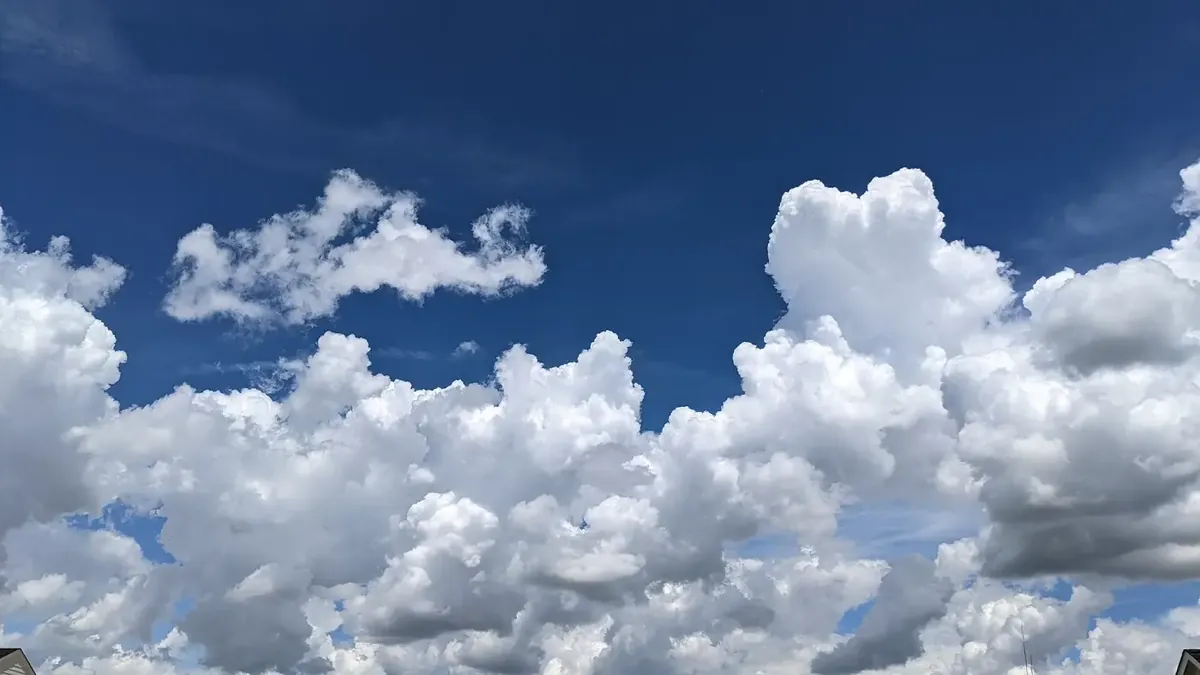
  • Towering white heap clouds against a deep blue sky

    Photo: Lance Vanlewen

    Nº 014 · Physics · 1 min

    How heavy is a cloud?

    It floats above you. How much water does a cumulus cloud of one cubic kilometre hold?

    Guess first

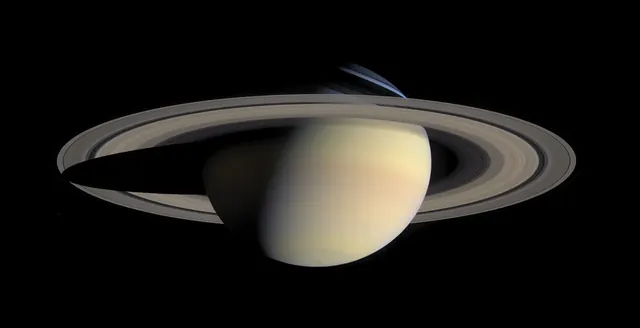
  • Saturn and its rings, imaged by the Cassini spacecraft

    0.69g/cm³

    average density (water: 1)

    Quick & curious · Space

    Saturn would float in water.

    Its average density is lower than water's. A suitable bathtub would have to be enormous.

    Photo: NASA/JPL/Space Science Institute
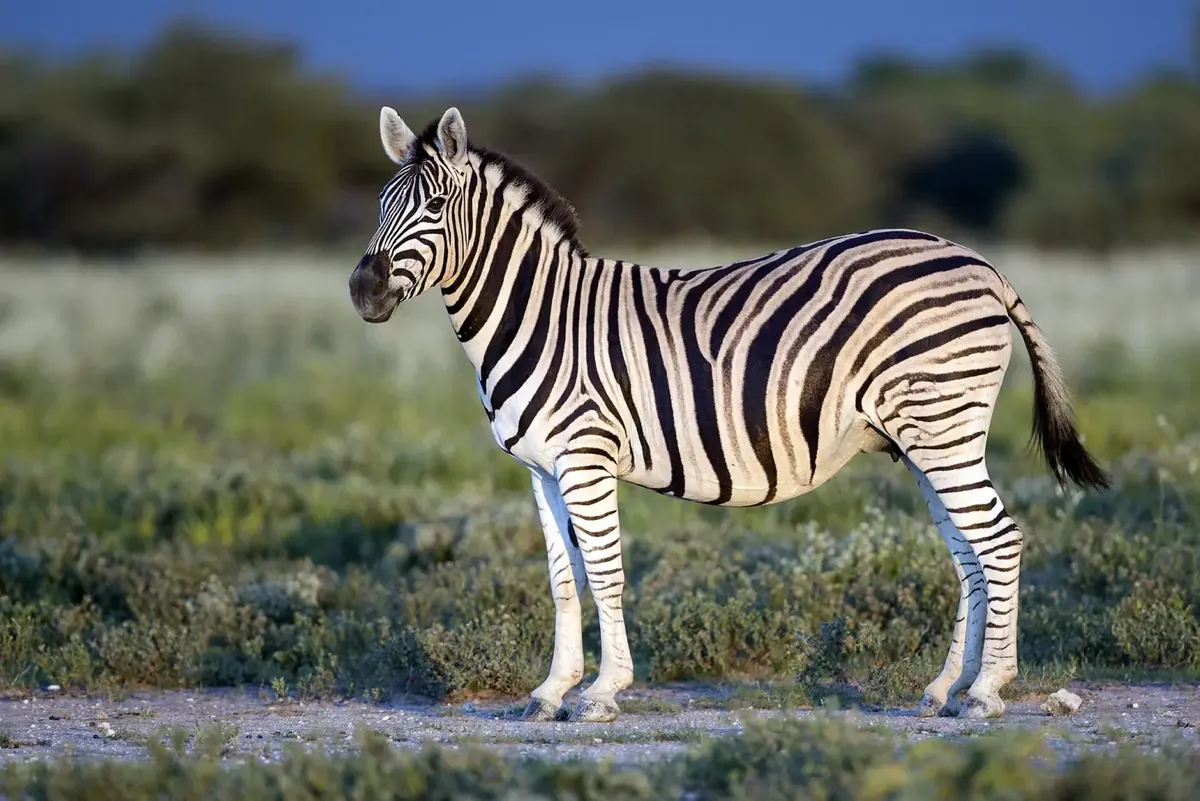
  • A plains zebra standing in the savanna

    Photo: Yathin S Krishnappa

    Nº 039 · Nature · 50 sec

    Why does the zebra have stripes?

    Camouflage? Cooling? An experiment with striped horse blankets gives a surprising answer.

    Guess first

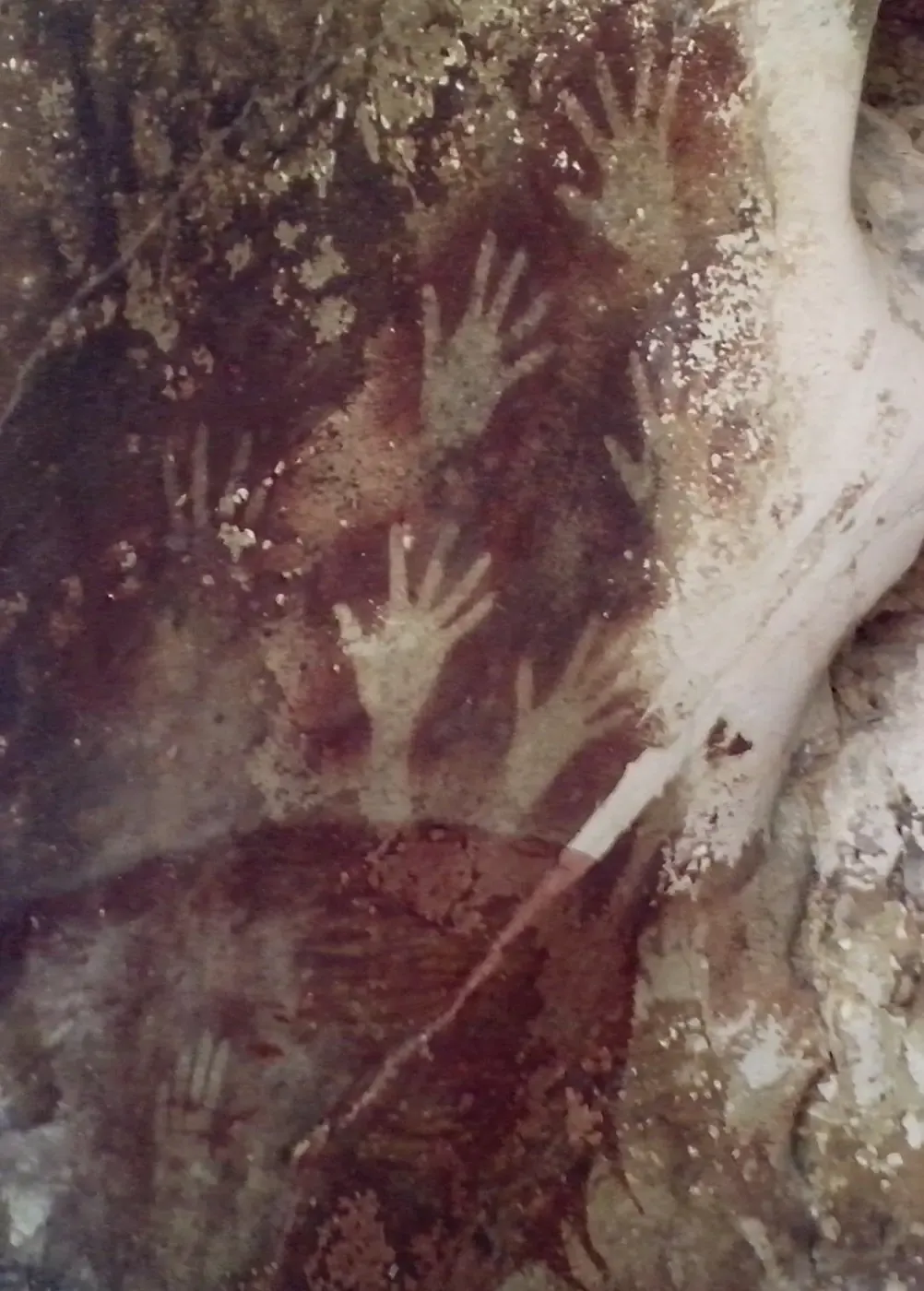
  • Hand stencils outlined in red paint on the wall of Leang Pettakere cave in Maros, Sulawesi

    Photo: Cahyo

    ✦ New researchNature · January 2026

    Nº 051 · History · 55 sec

    The oldest dated cave art is a hand – at least 67,800 years old

    A faded patch of paint on an island off Sulawesi beats the previous record. It was dated with a clock that ticks inside crusts of calcite.

    Show me

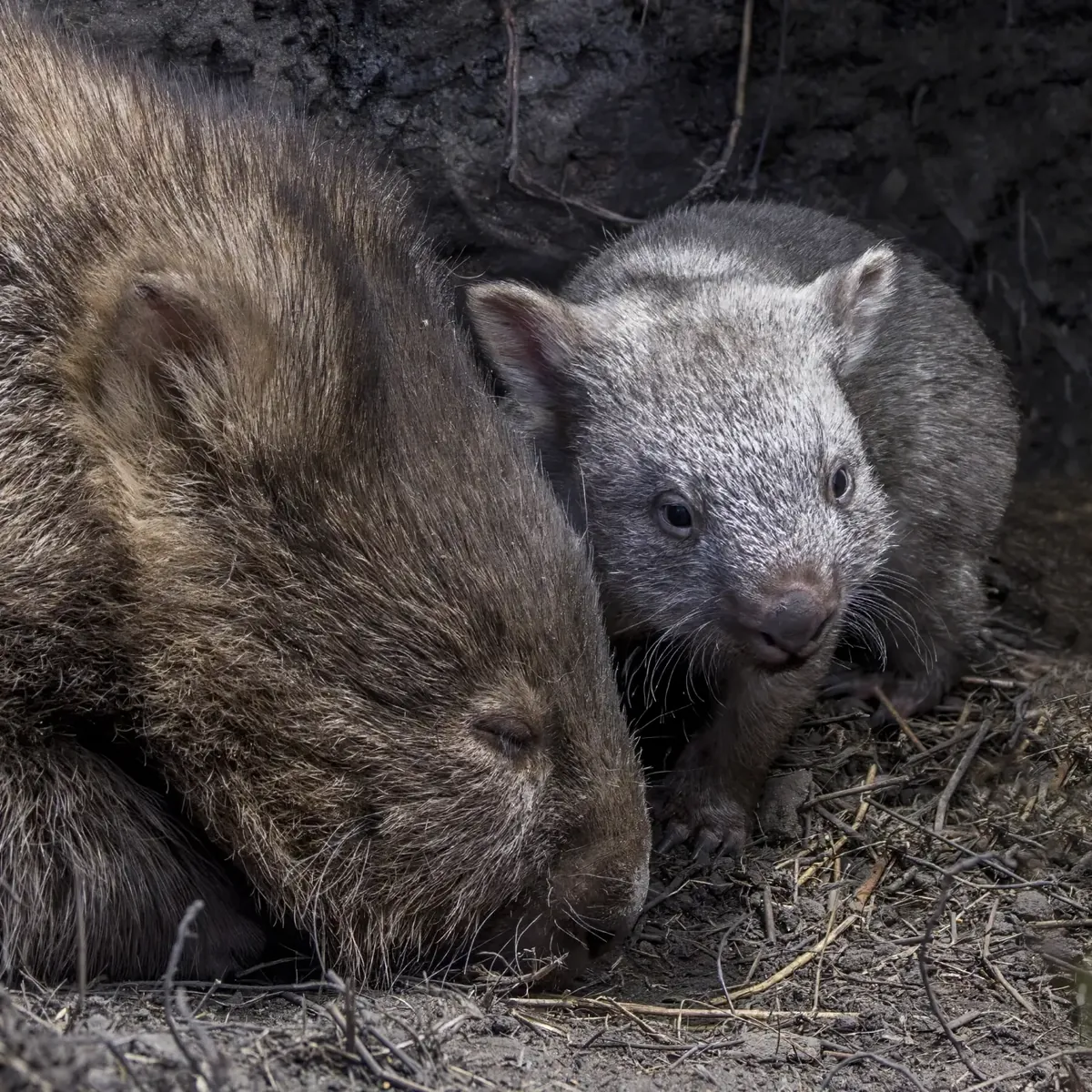
  • A female wombat with her young in front of the burrow

    Photo: Charles J. Sharp

    Nº 007 · Nature · 45 sec

    Why does the wombat make cube-shaped poop?

    A round gut shapes cubes. Researchers only recently worked out how.

    Show me

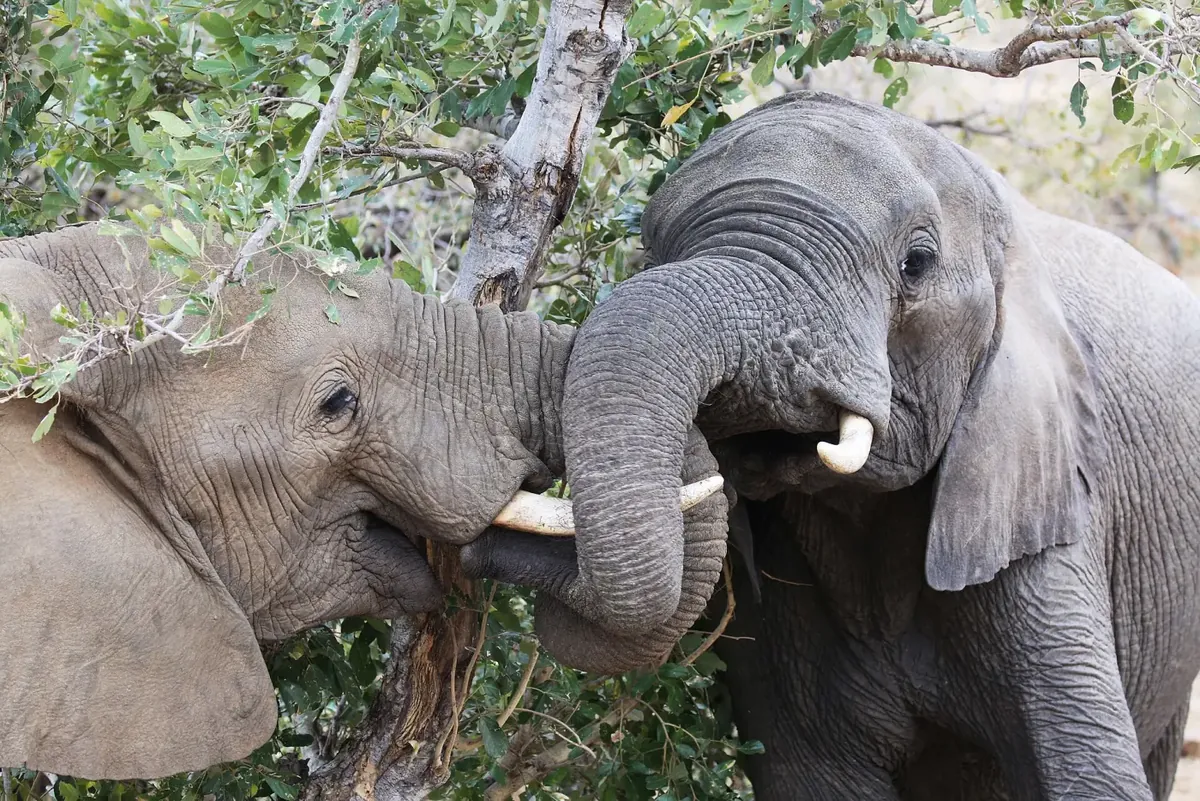
  • Two African elephants standing close together, one with its trunk at the other's mouth

    Photo: flowcomm

    ✦ New researchNature Ecology & Evolution · June 2024

    Nº 041 · Nature · 50 sec

    Do elephants call each other by name?

    Researchers had software analyse elephant calls – then played the animals what seemed to be their own names.

    Show me

Photos from Wikimedia Commons and public archives. The photographer is named on every card. All image credits

New in the app

This week, only in the app.

Fresh discoveries go to the app first. A week later they get a page here.
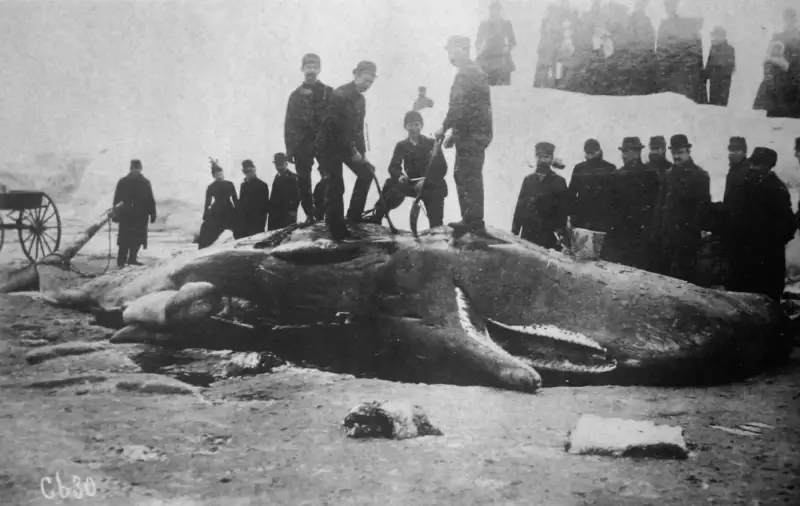
  • Here from October 13

    Nº 076 · History

    When Oregon blew up a dead whale with dynamite

    In 1970 half a ton of explosives was meant to turn a beached sperm whale into bite-sized pieces for seagulls. It went differently.

  • Here from October 13

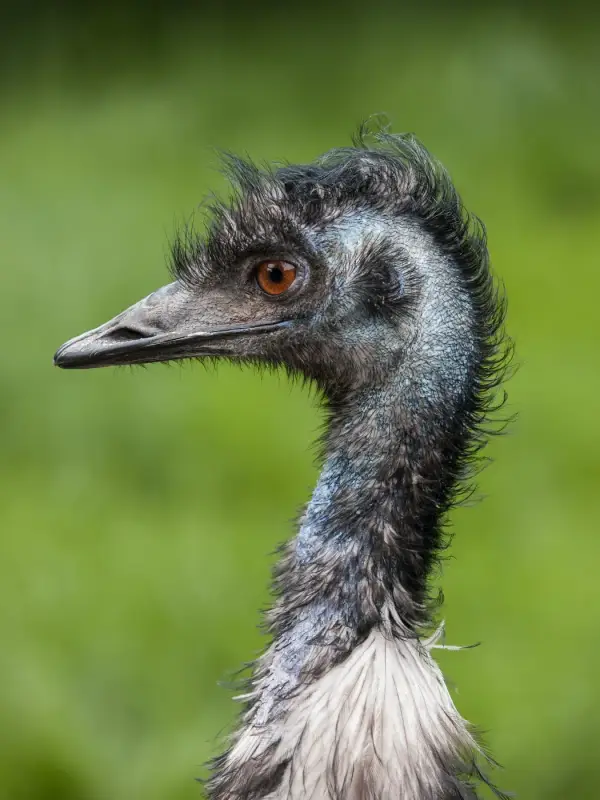
    Nº 075 · History

    When Australia's army lost to emus

    In 1932 soldiers with machine guns went out against emus raiding wheat fields. The birds proved hard to kill.

  • Here from October 13

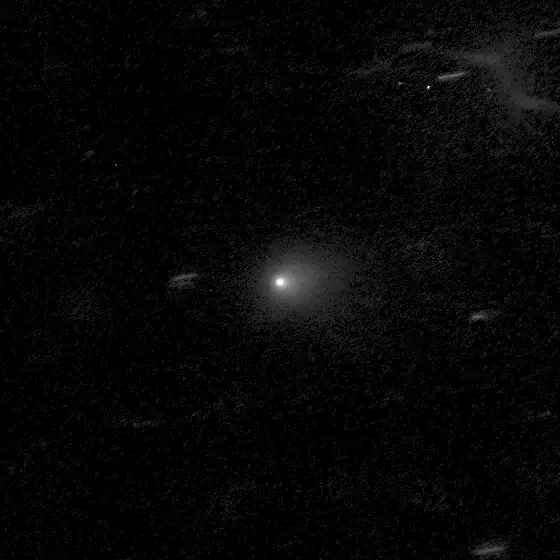
    Nº 074 · Space

    A comet from outside our solar system.

    3I/ATLAS was discovered in July 2025 – only the third known visitor from another star system. It's just passing through.

Recently added

Read on the web.

All discoveries
  • Nº 068 · Numbers · 50 sec

    Switch or stay? The door puzzle that had mathematicians arguing

    Three doors, one car, two goats – and a correct answer that drew some 10,000 letters in 1990.

  • Nº 067 · Body · 50 sec

    Gut-lining cells live for days, the neurons in your cortex for a lifetime

    There is no brand-new body every seven years. Ironically, carbon from atomic bomb tests gave the game away.

    + Deep dive

  • Nº 066 · Nature · 50 sec

    A brainless slime mould designed a network like Tokyo's railways

    Oat flakes were laid out like the cities around Tokyo. After about a day, a yellow single cell had linked them – much like the real rail network.

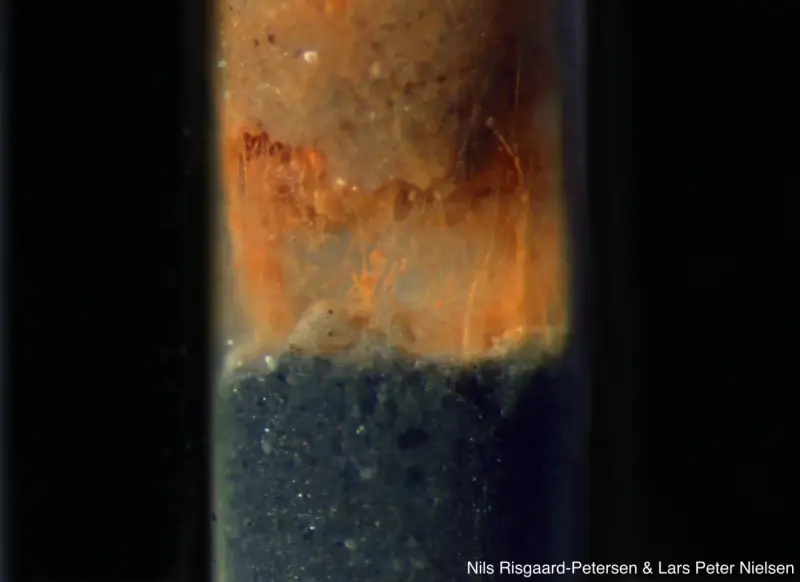
  • Nº 065 · Nature

    Bacteria conduct electricity in the seafloor.

    Cable bacteria transport electrons through long threads. Conducting fibres inside contain nickel proteins.

  • Nº 064 · Technology · 50 sec

    The kilogram prototype got lighter – or all its copies got heavier

    For 130 years, a metal cylinder near Paris was by definition exactly one kilogram. That was precisely the problem.

  • Nº 063 · Numbers · 50 sec

    Why do so many numbers start with a 1?

    In real-world data, a 1 comes first more than six times as often as a 9. Tax investigators use that.

How it works

Swipe up for the next one. Sideways to go deeper.

  1. Up

    Next discovery

    Every swipe brings something new, mixed across topics and never the same category twice in a row.

  2. Sideways

    The why

    A few short pages explain it: one thought per page, with the numbers that matter.

  3. Tap

    Guess first

    Many discoveries open with a question. Make your guess, then see how it really is.

Try it here

From Nº 016 · Physics

Does time pass faster on a mountain?

Yes. Measurably so even a few stair steps higher – and your phone accounts for it every day.

Your guess

Where does a clock tick faster?

01

Sources

Sourced, not made up.

Every statement is tied to a verbatim quote from its source. Before anything is published, a script finds each quote again in the original, and a person reviews the whole discovery.

In the app

In 2010 researchers at the US institute NIST compared two extremely precise atomic clocks, one of them 33 centimeters higher. The upper one ran faster.

In the source

“…physicists at the National Institute of Standards and Technology (NIST) have measured this effect at a more down-to-earth scale of 33 centimeters”

This discovery: 35 statements, 7 sources.
  1. 01

    Verbatim

    Each statement carries the quote that backs it. No quote, no statement.

  2. 02

    Simplifications are named

    Where a story has to simplify, a note says so, along with what researchers still argue about.

  3. 03

    New research, labelled

    Fresh studies carry a “New research” badge with journal and date, so you know how new it really is.

  4. 04

    Free images, with names

    Photos come with photographer and license. Illustrations are marked as illustrations.

Topics

From neutron stars to wombat droppings.

Pick what interests you and you’ll see more of it. Other topics still appear: curiosity needs surprises.

  • Space

    Moon, sun, planets

    “Why is a day on Venus longer than its year?”

  • Nature

    Animals, plants, deep time

    “Why is a mushroom more closely related to you than to a plant?”

  • Perception

    How your brain sees

    “There's a hole in your field of view.”

  • Numbers

    Chance, maths, mind traps

    “Switch or stay? The door puzzle that had mathematicians arguing”

  • Physics

    Everyday life, seen anew

    “Why does metal feel colder than wood?”

  • Body

    What happens inside you

    “Do you taste sweet only with the tip of your tongue?”

  • History

    Time in perspective

    “Cleopatra lived closer to the Moon landing than to the building of the pyramid”

  • Technology

    How things work

    “The first computer bug was a real moth”

Pace

A feed with an end.

After five discoveries the feed pauses and asks which one stays with you. You can keep going, but you don’t have to.

Your collection

Save what you want to keep. Everything is stored only on your iPhone.

Remember this?

How many folds until the stack reaches the Moon?

Days later a question about something you read comes back: after 2 days, then 4, then 8. Got it wrong? It’s back tomorrow.

  1. Read
  2. Day 2
  3. Day 4
  4. Day 8
  5. Day 16

The deal

  • Free.
  • No ads.
  • No account.
  • No tracking.

Wunderfeed doesn’t know who you are. Interests, saved discoveries and progress stay on your iPhone; the app only downloads articles.

Privacy policy

FAQ

Questions

What does it cost?

Nothing. Wunderfeed is free and has no ads.

Where do the discoveries come from?

From original sources: research papers, institutes, museums, space agencies and reference works. Every discovery lists its sources and image credits; tap the book icon on any card.

Is it written by AI?

AI helps with research and drafting behind the scenes. Every statement is then checked against its source, and a person reviews each discovery before it is published. No AI runs while you read: what you see is finished, checked content.

Do I need an account?

No. There’s no sign-up and no login. Everything the app remembers stays on your iPhone.

Which devices does it run on?

iPhone with iOS 26 or later.

Which languages?

German and English. The app follows your iPhone’s language; you can switch it per app in the iOS Settings.

How often is there something new?

New discoveries arrive without an app update, as soon as they are researched and checked. The feed is never padded with repeats.

I found a mistake.

Thank you! Please write to hello@deckle.io. Every discovery shows its sources, so you can check for yourself too.

wunderfeed

Scroll into wonder.

Short, sourced discoveries for iPhone.

Coming soon on theApp Store