Discoveries

Every discovery, with its sources.

Short explanations from nature, space, physics and history. New ones are in the app first and arrive here a week later.

  • Nº 068 · Numbers · 50 sec

    Switch or stay? The door puzzle that had mathematicians arguing

    Three doors, one car, two goats – and a correct answer that drew some 10,000 letters in 1990.

  • Nº 067 · Body · 50 sec

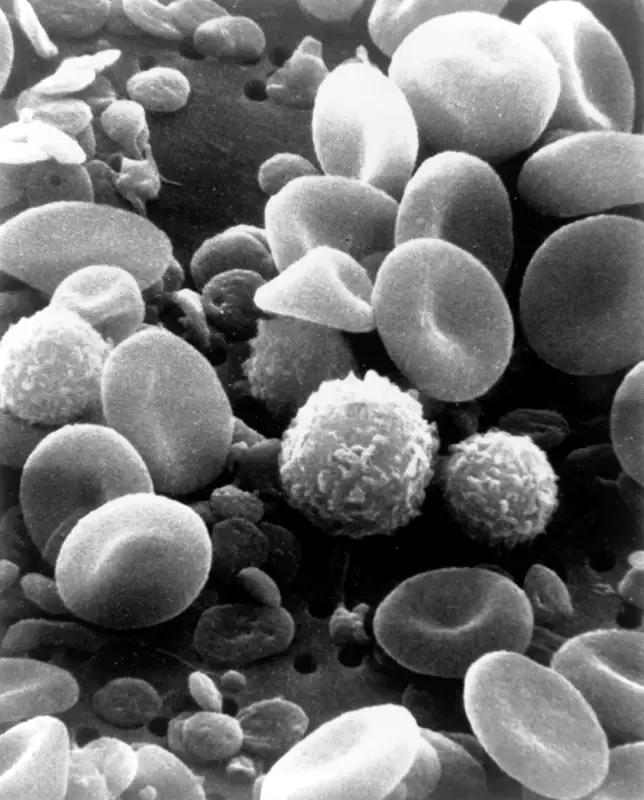
    Gut-lining cells live for days, the neurons in your cortex for a lifetime

    There is no brand-new body every seven years. Ironically, carbon from atomic bomb tests gave the game away.

    + Deep dive

  • Nº 066 · Nature · 50 sec

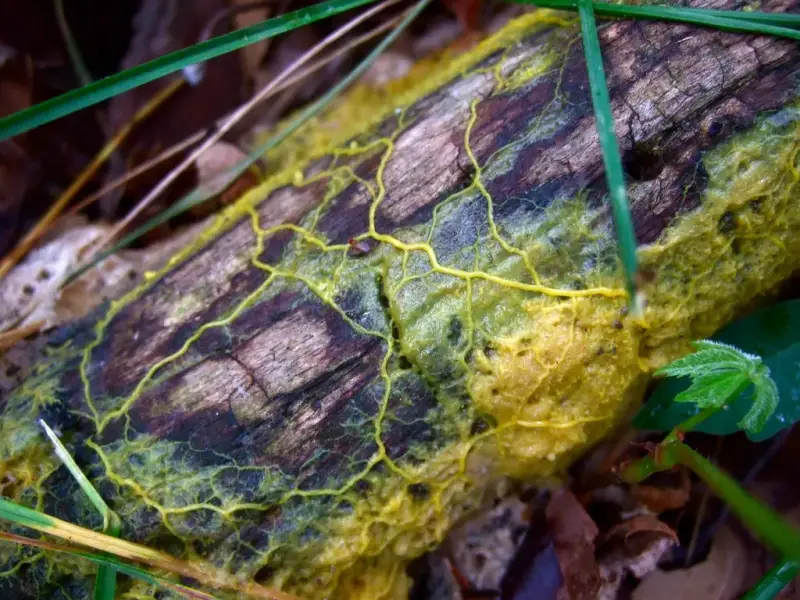
    A brainless slime mould designed a network like Tokyo's railways

    Oat flakes were laid out like the cities around Tokyo. After about a day, a yellow single cell had linked them – much like the real rail network.

  • Nº 065 · Nature

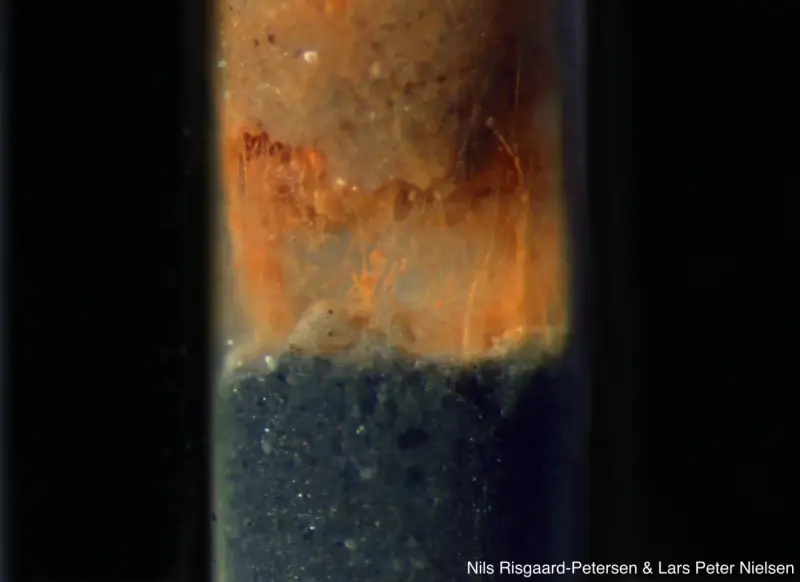
    Bacteria conduct electricity in the seafloor.

    Cable bacteria transport electrons through long threads. Conducting fibres inside contain nickel proteins.

  • Nº 064 · Technology · 50 sec

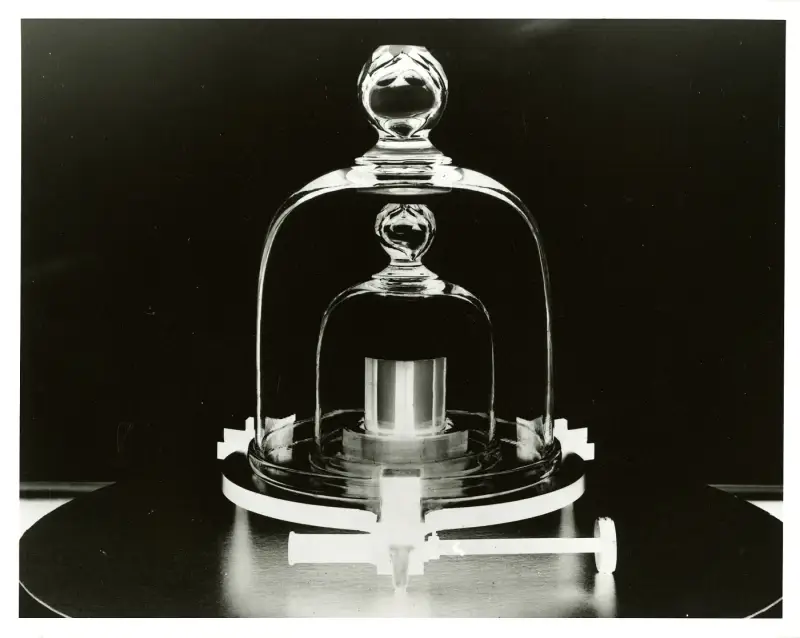
    The kilogram prototype got lighter – or all its copies got heavier

    For 130 years, a metal cylinder near Paris was by definition exactly one kilogram. That was precisely the problem.

  • Nº 063 · Numbers · 50 sec

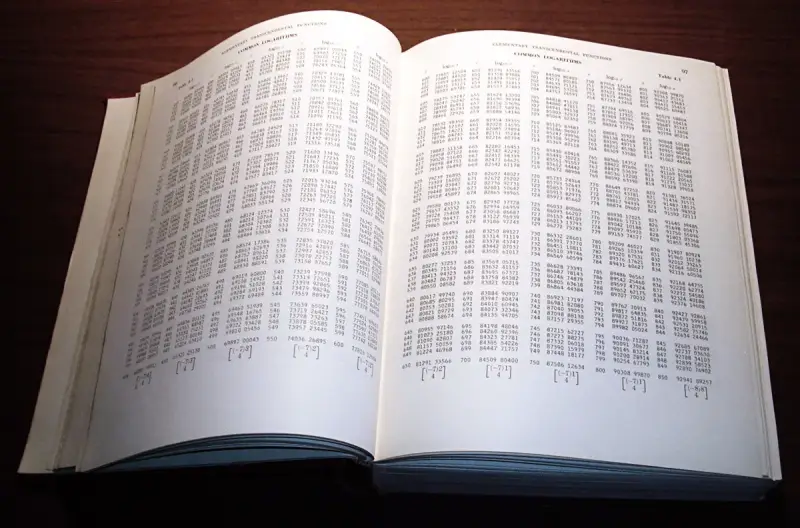
    Why do so many numbers start with a 1?

    In real-world data, a 1 comes first more than six times as often as a 9. Tax investigators use that.

  • Nº 062 · Numbers · 50 sec

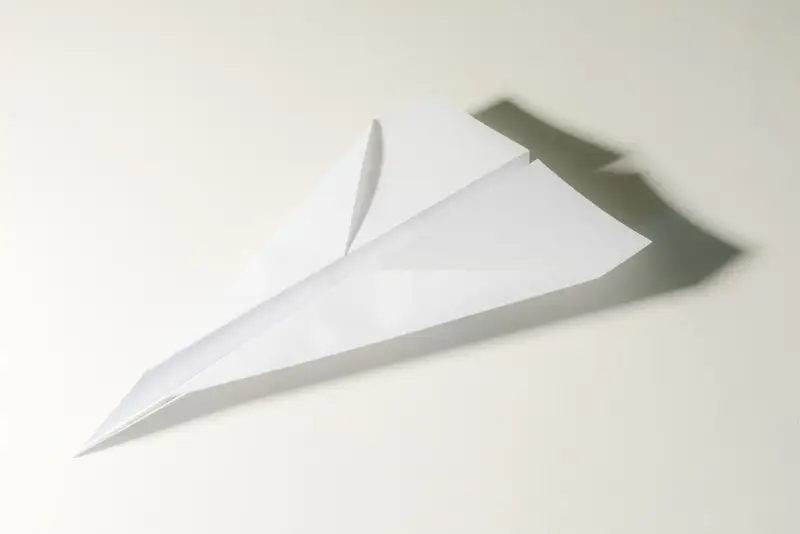
    A sheet of paper all the way to the Moon?

    A sheet is 0.1 mm thick, the Moon about 384,400 km away. The answer sounds like a miscalculation.

  • Nº 061 · Numbers · 50 sec

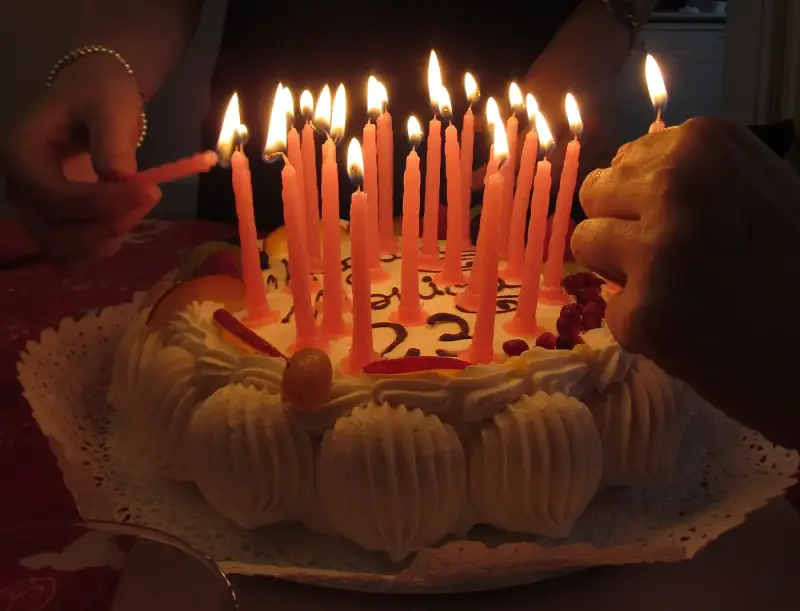
    How many people does it take to share a birthday?

    A year has 365 days. Even so, the answer is far smaller than almost anyone guesses.

  • Nº 060 · Technology

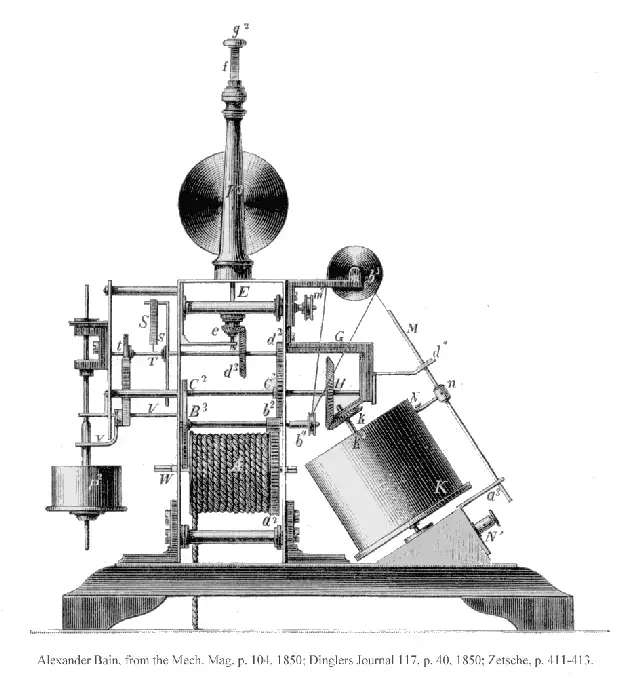
    The fax is older than the telephone.

    Alexander Bain patented the principle in 1843 – 33 years before Bell's telephone. It wasn't ready for everyday use.

  • Nº 059 · Nature

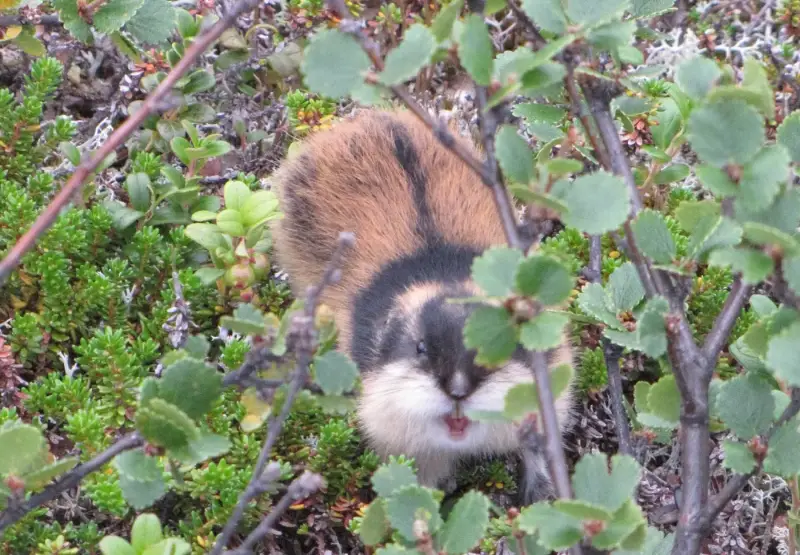
    The lemming plunge in the film was staged.

    For Disney's 1958 film, animals were pushed off a cliff. The mass-suicide myth is false.

  • Nº 058 · History · 50 sec

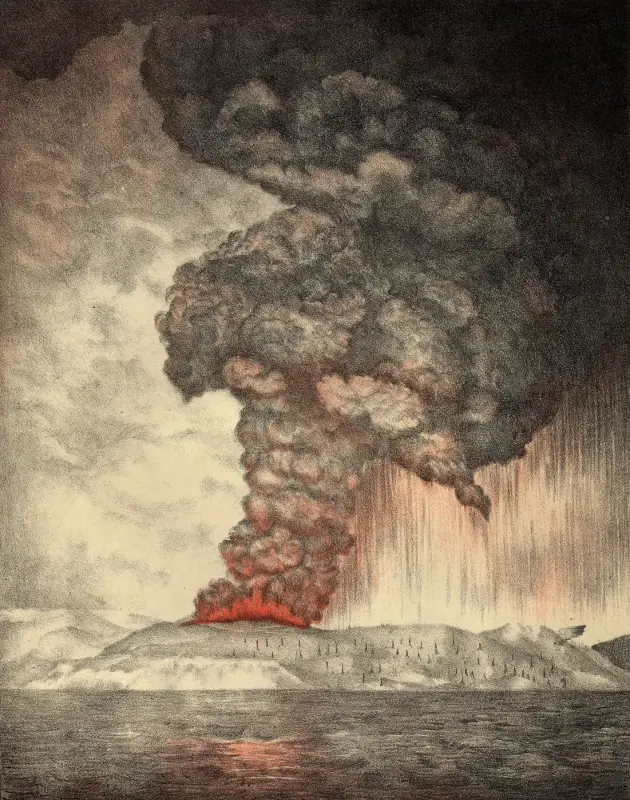
    Krakatoa's blast could still be heard 4,800 kilometers away

    On an island in the Indian Ocean in 1883, people took it for cannon fire. Barometers around the world recorded the pressure wave for days.

  • Nº 057 · History · 50 sec

    How could a wave of molasses kill 21 people?

    Boston, January 1919: a tank holding 8,700 cubic meters of molasses bursts. What happens next doesn't fit the image of sluggish syrup.

  • Nº 056 · History · 50 sec

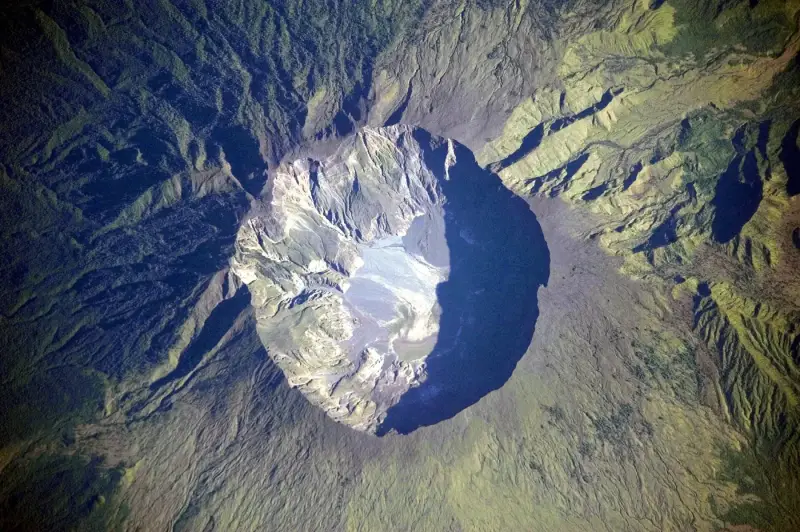
    What does a volcanic eruption have to do with Frankenstein?

    In 1815, Tambora explodes in Indonesia. A year later, an 18-year-old is stuck in endless rain on Lake Geneva – and invents a monster.

  • Nº 055 · Physics · 50 sec

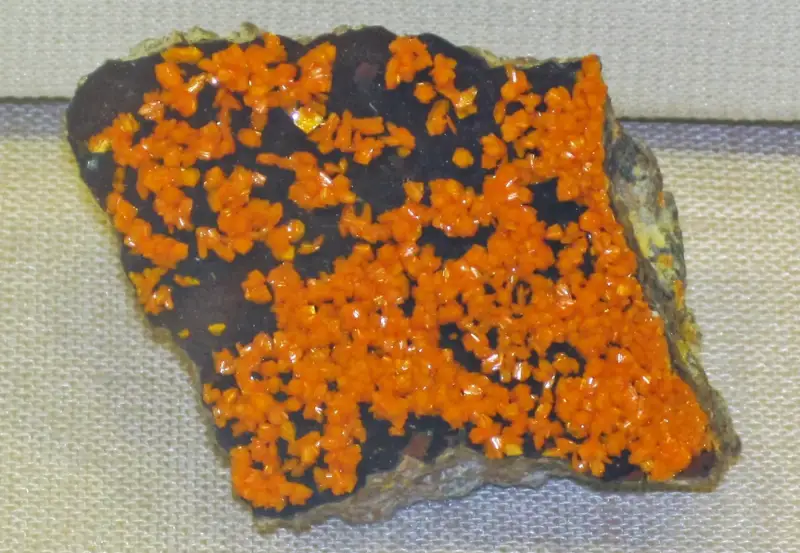
    Around 2 billion years ago, a nuclear reactor ran in Gabon – on its own

    In 1972, uranium from Africa came up short on its fissile isotope. Nobody had stolen it – nature had burned it up itself.

    + Deep dive

  • Nº 054 · Space

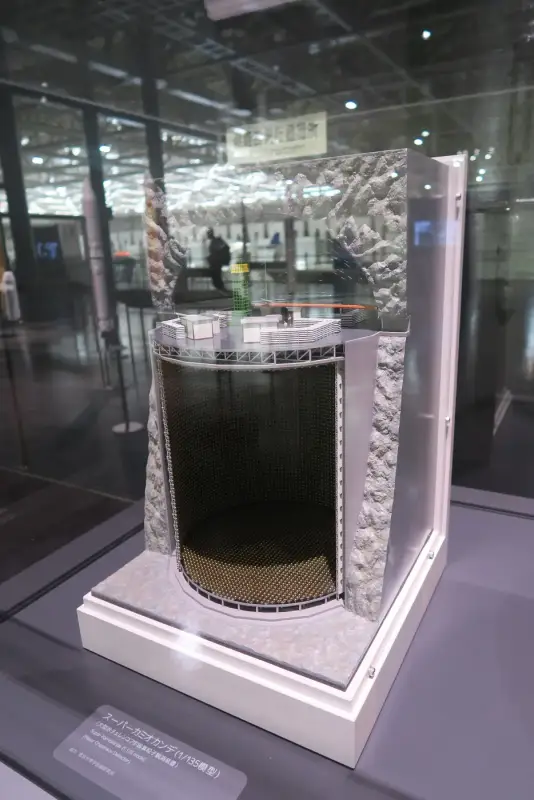
    Neutrinos pass through your thumbnail.

    About 65 billion per second, from the Sun. They pass through matter almost unimpeded – you feel nothing.

  • Nº 053 · Physics · 1 min

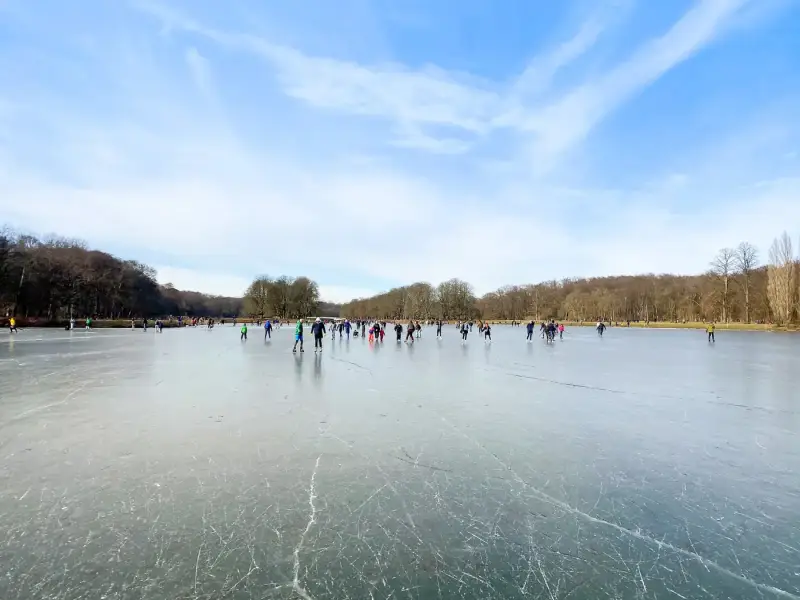
    Ice skates don't melt the ice. So why is it slippery?

    For a long time the answer was: the blade's pressure melts the ice. The numbers don't add up. What happens instead is still debated by physicists.

  • ✦ New research Nº 052 · Nature

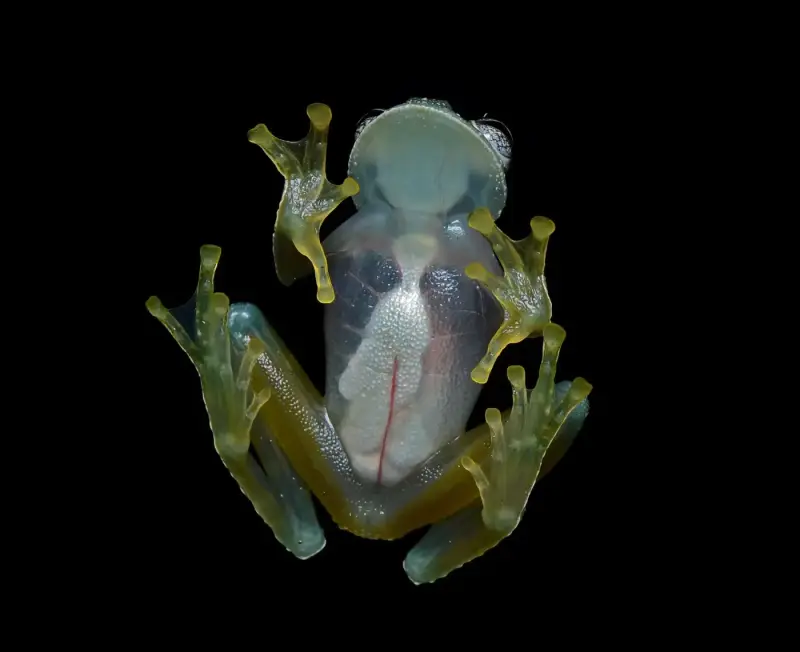
    Glass frogs hide their red blood cells.

    At rest they store almost 90 percent of their red blood cells in their liver, becoming more transparent.

  • ✦ New research Nº 051 · History · 55 sec
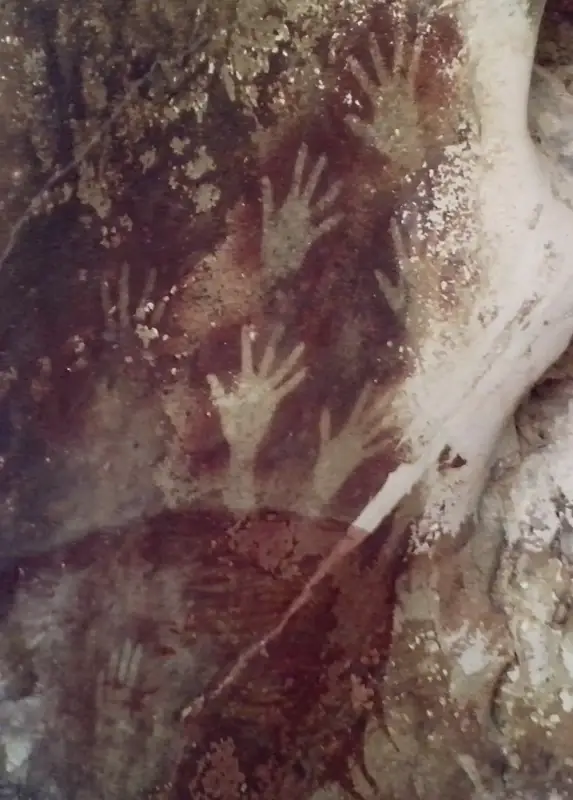
    The oldest dated cave art is a hand – at least 67,800 years old

    A faded patch of paint on an island off Sulawesi beats the previous record. It was dated with a clock that ticks inside crusts of calcite.

  • ✦ New research Nº 050 · Nature

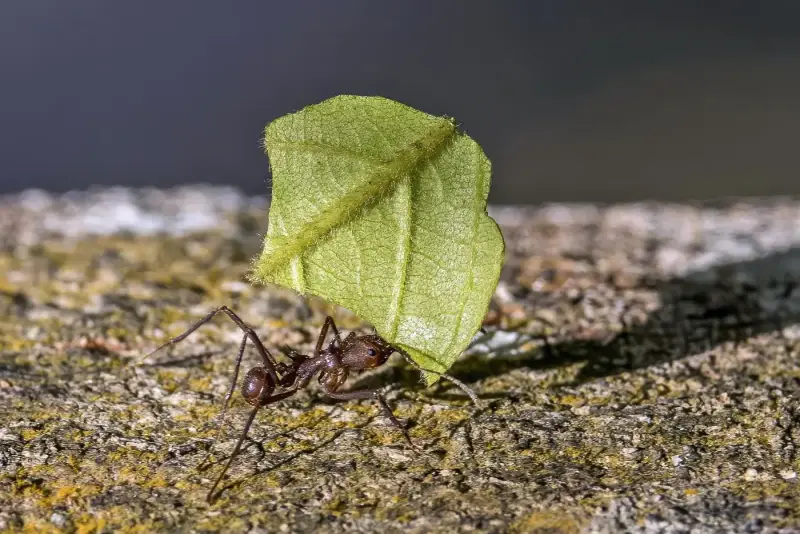
    Ants have farmed fungi for millions of years.

    They started about 66 million years ago. Dated family trees of fungi and ants reveal when it began.

  • ✦ New research Nº 049 · Physics · 55 sec
    Antimatter falls down. Nobody measured it until 2023

    Theory predicted it, but no one had seen it. At CERN, a team first directly observed anti-atoms falling – and where they landed.

  • ✦ New research Nº 048 · Perception · 55 sec

    Five people have seen a color that doesn't exist in nature

    A laser at Berkeley stimulated just one type of cone cell. The result was "olo": a blue-green more saturated than any color in nature.

    + Deep dive

  • ✦ New research Nº 047 · Nature

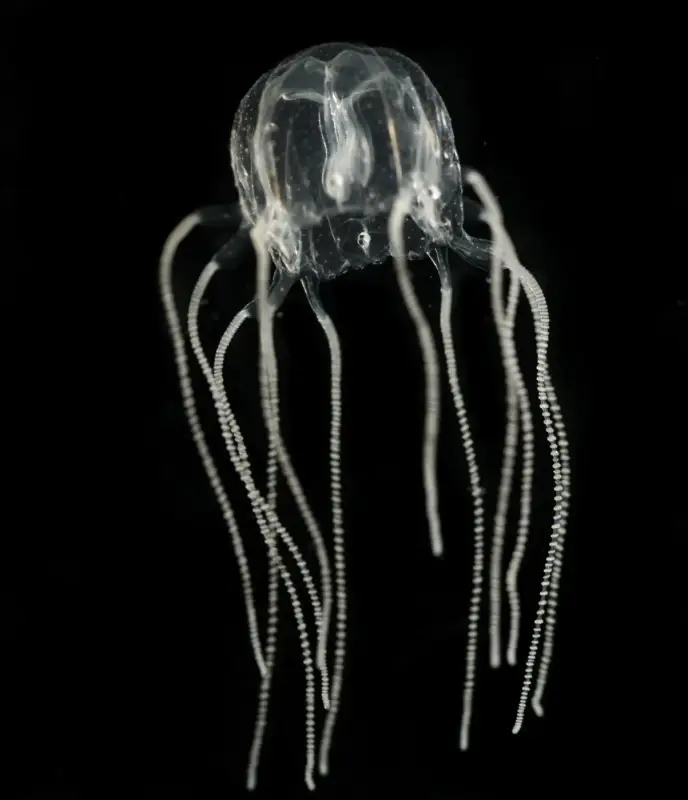
    Jellyfish learn without a central brain.

    After a few collisions, they kept further away from obstacles. Learning happens in their sensory clubs.

  • ✦ New research Nº 046 · Nature

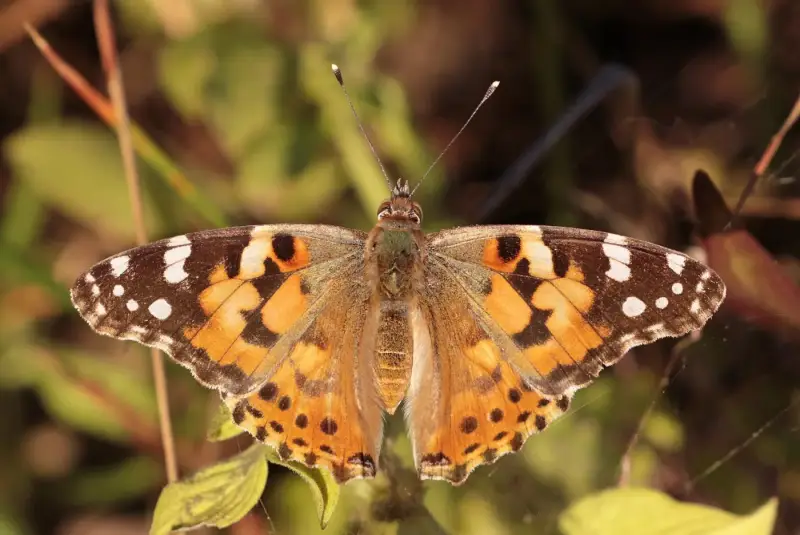
    Painted ladies can cross the Atlantic.

    Researchers found them in French Guiana carrying pollen from the Sahel. Trade winds carried them across the ocean.

  • ✦ New research Nº 045 · Nature

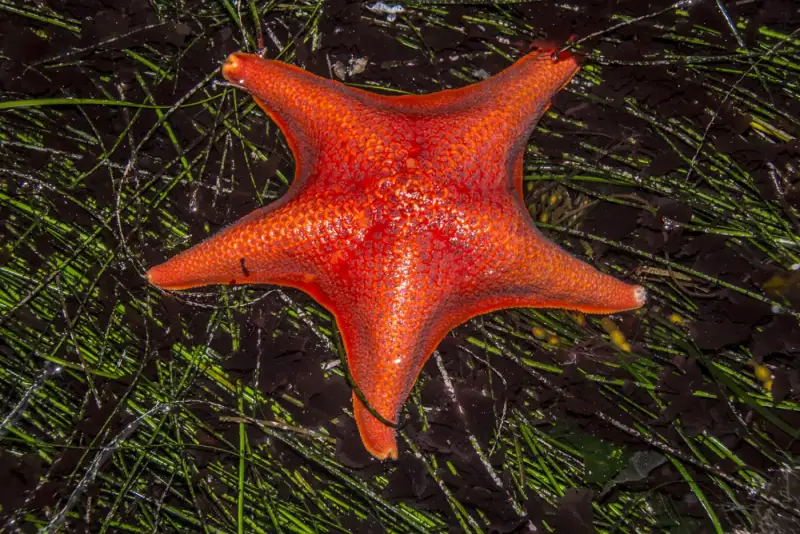
    Genetically, a starfish is almost all head.

    Head genes are active almost everywhere, trunk genes hardly. Researchers mapped them in starfish arms.

  • ✦ New research Nº 044 · Nature · 50 sec
    Bogong moths find their way by the stars

    They fly up to 1,000 kilometres to caves they have never seen. A flight simulator with an artificial night sky shows what guides them.

  • ✦ New research Nº 043 · Nature

    Mice pull the tongues of unconscious partners.

    In an experiment, mice groomed familiar cagemates and removed objects from their mouths. The unconscious mice woke sooner.

  • ✦ New research Nº 042 · Nature

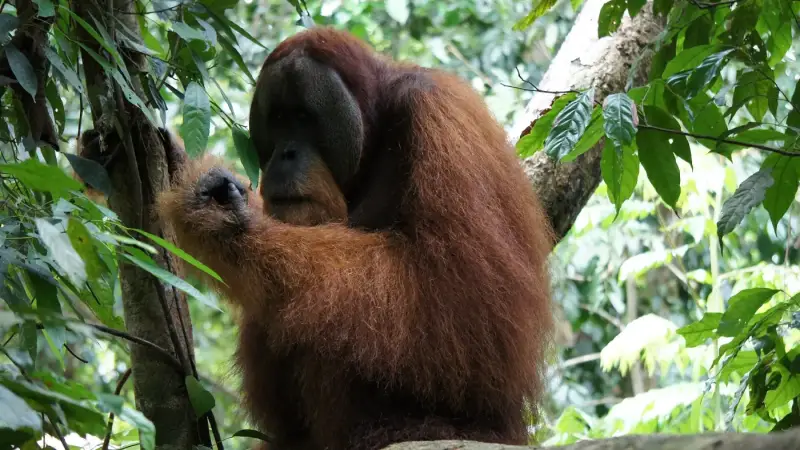
    An orangutan treats his wound.

    Rakus chewed leaves, dabbed their juice onto a facial wound and covered it with the pulp.

  • ✦ New research Nº 041 · Nature · 50 sec

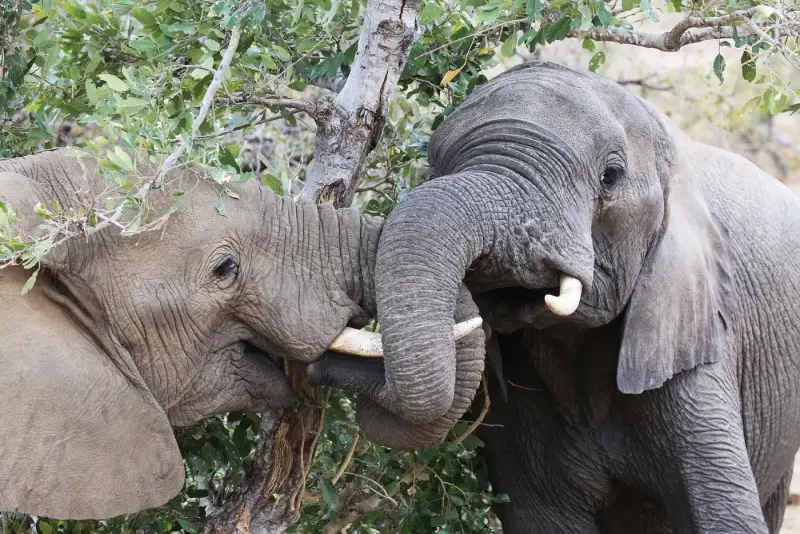
    Do elephants call each other by name?

    Researchers had software analyse elephant calls – then played the animals what seemed to be their own names.

    + Deep dive

  • Nº 040 · Technology · 50 sec

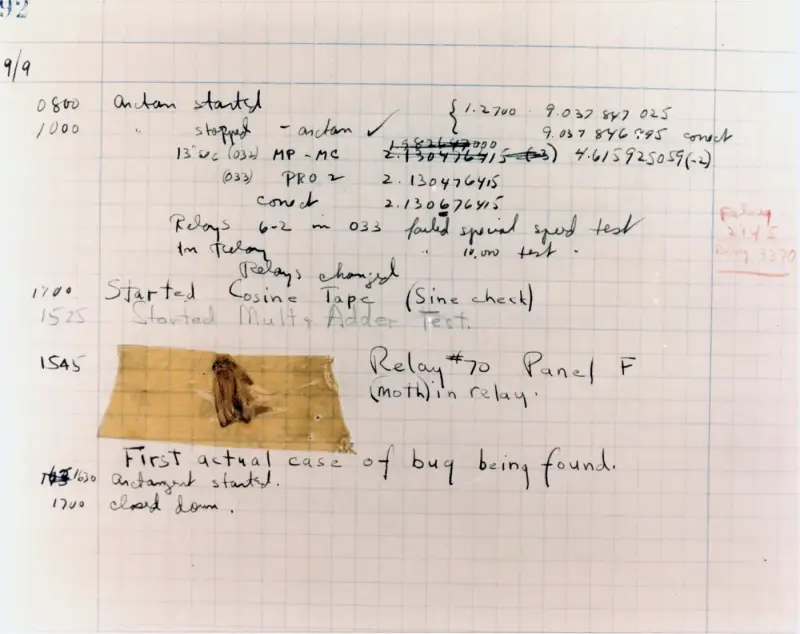
    The first computer bug was a real moth

    Taped into the logbook. Only the word "bug" was already old by then.

  • Nº 039 · Nature · 50 sec

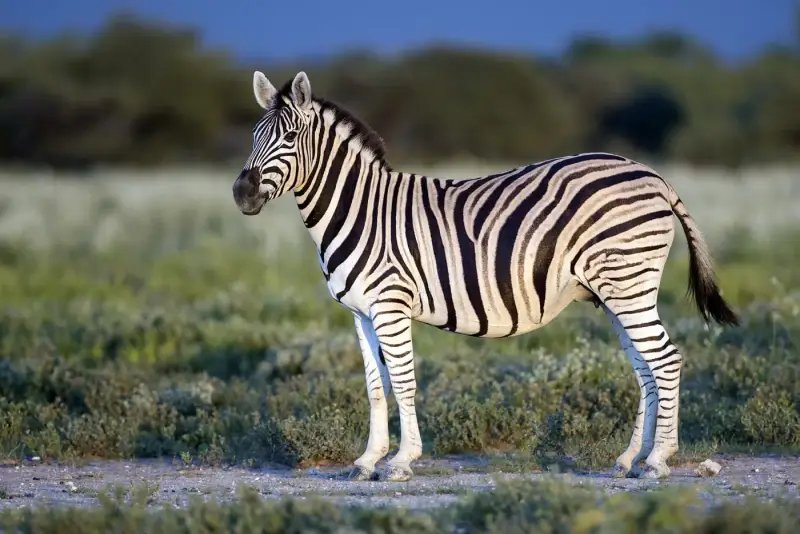
    Why does the zebra have stripes?

    Camouflage? Cooling? An experiment with striped horse blankets gives a surprising answer.

  • Nº 038 · Body · 50 sec

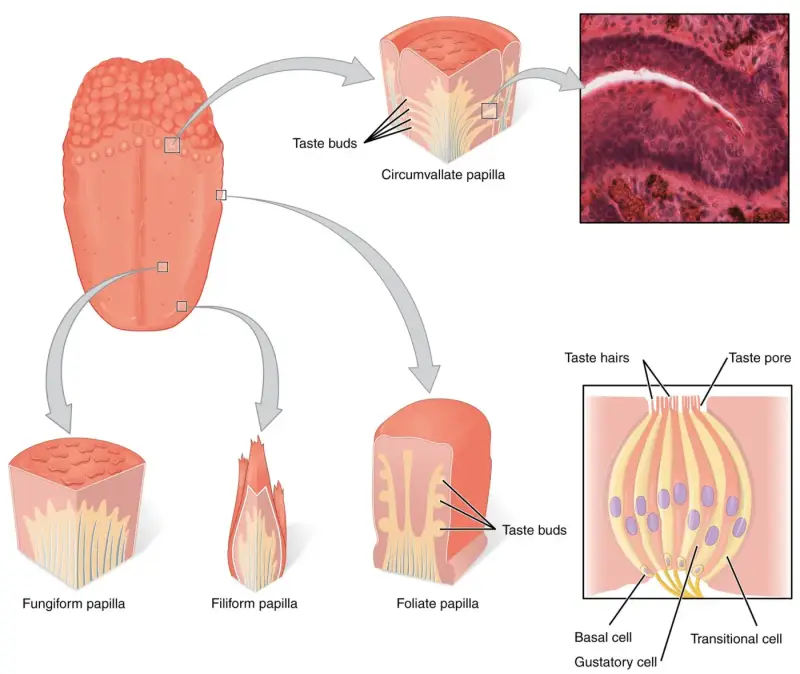
    Do you taste sweet only with the tip of your tongue?

    The famous tongue map with zones for sweet, sour, salty and bitter is a misunderstanding.

  • Nº 037 · Space · 50 sec

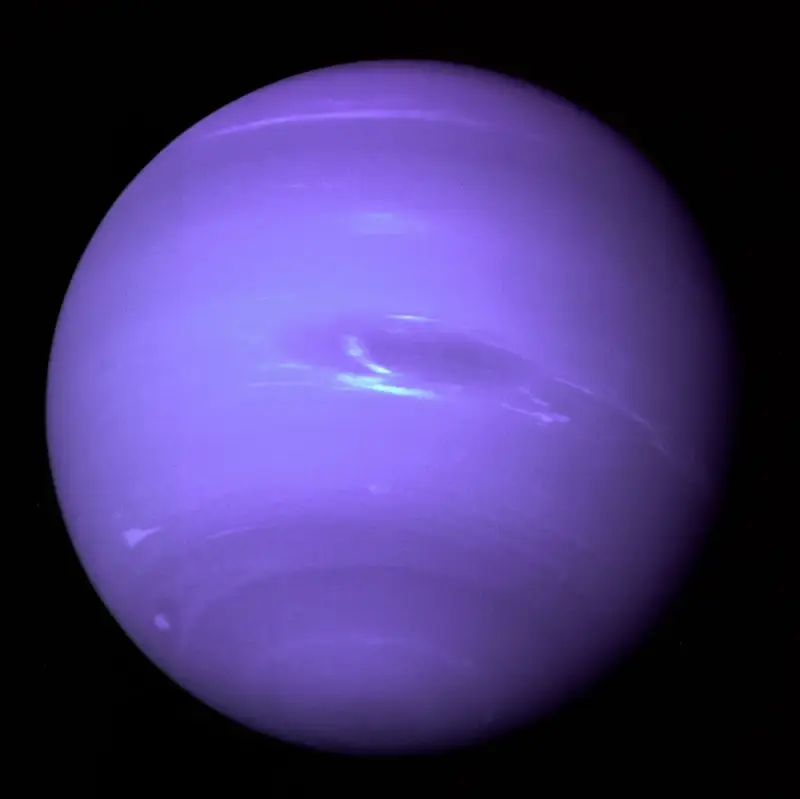
    A planet found with pen and paper

    Before anyone knowingly saw it, Neptune had already been calculated.

  • Nº 036 · Technology

    QR codes were invented for car parts.

    Denso Wave developed them in 1994 to label vehicle parts. The code could be read faster than a barcode.

  • Nº 035 · Body

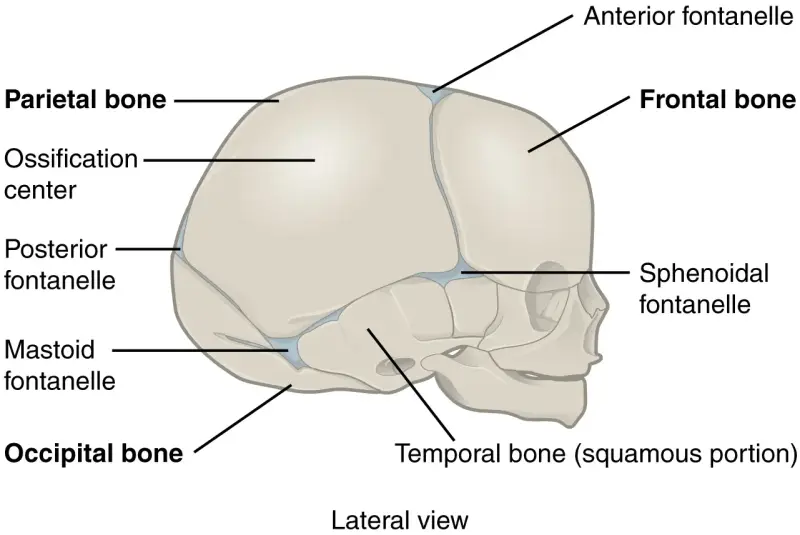
    Babies have more bones than adults.

    Some bones fuse as we grow. About 270 bones at birth become roughly 206 in adulthood.

  • Nº 034 · Space

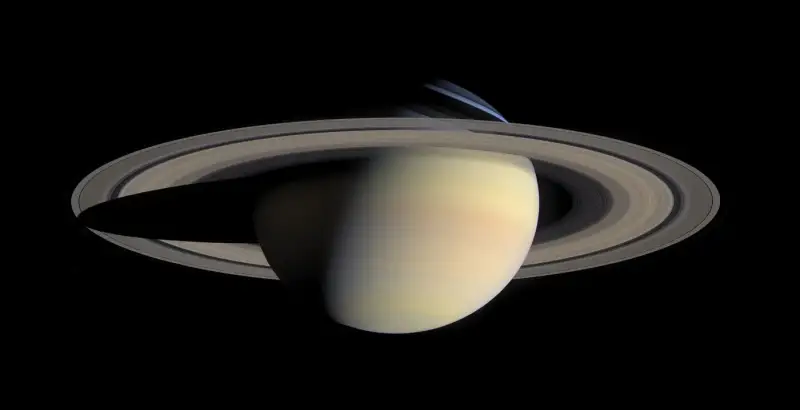
    Saturn would float in water.

    Its average density is lower than water's. A suitable bathtub would have to be enormous.

  • Nº 033 · Physics

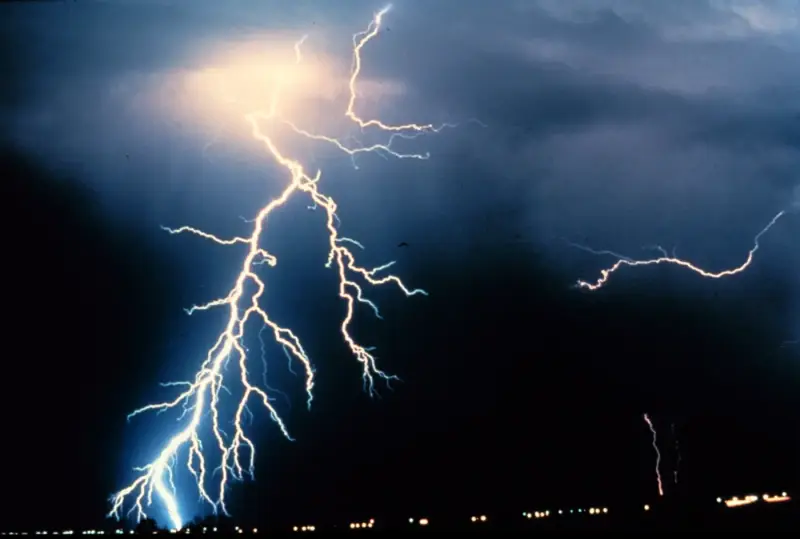
    Lightning is hotter than the Sun's surface.

    Air in a lightning channel can reach about 27,800 degrees Celsius. Its rapid expansion produces thunder.

  • Nº 032 · History

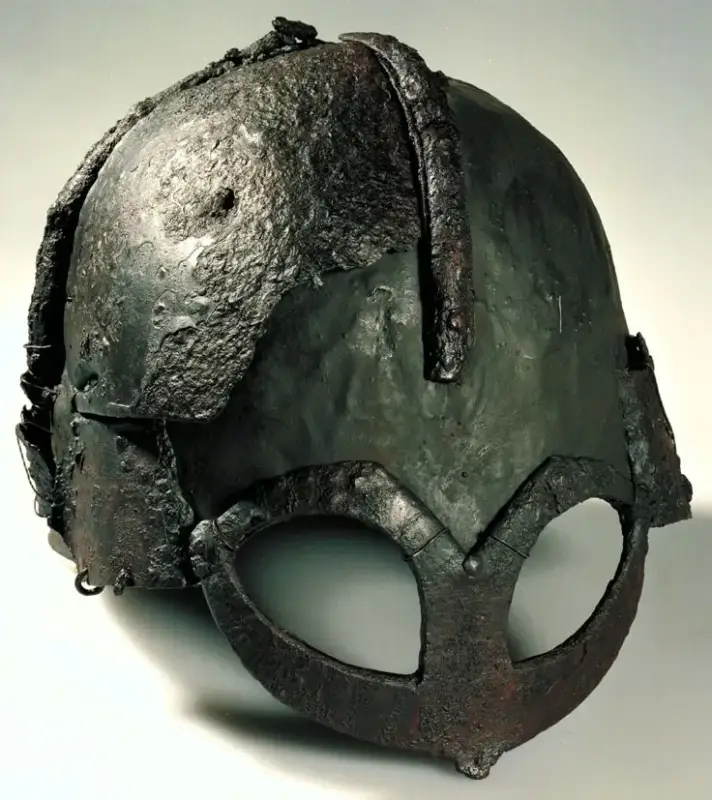
    Vikings didn't wear horned helmets.

    The horned image became popular through Wagner's operas in the 19th century. Real Viking helmets are extremely rare.

  • Nº 031 · Nature

    Hummingbirds can fly backwards.

    Their wings allow flight in any direction – including backwards and hovering on the spot.

  • Nº 030 · Nature

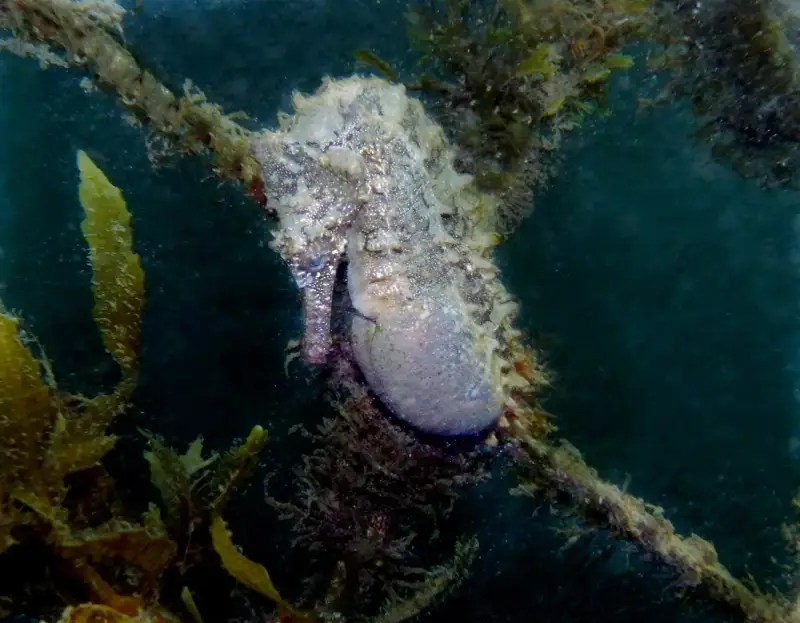
    Male seahorses get pregnant.

    The female deposits eggs in his brood pouch. Later, the male releases fully developed young.

  • Nº 029 · Nature

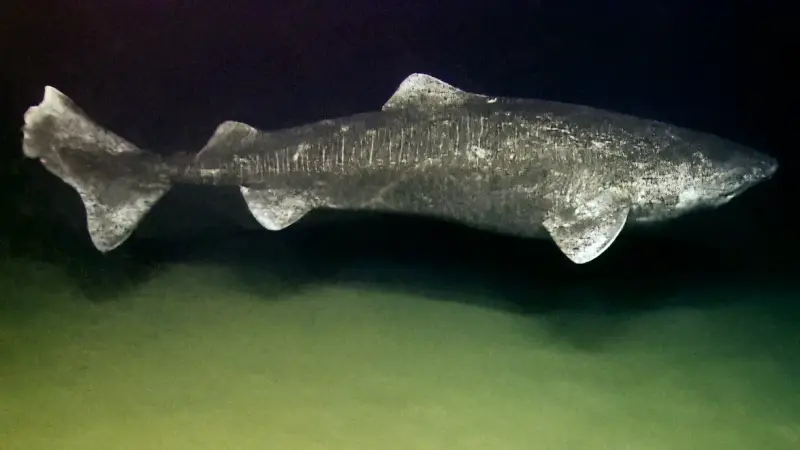
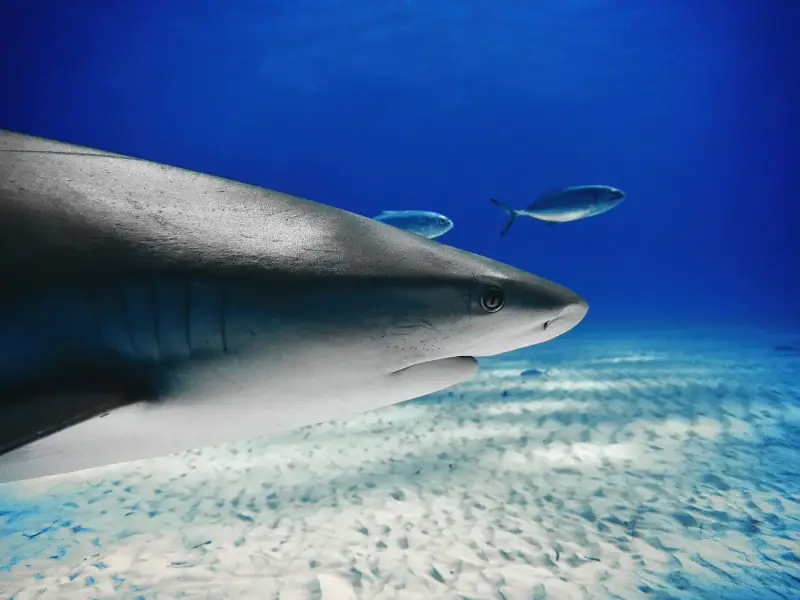
    Greenland sharks can live for over 270 years.

    They are the longest-lived vertebrates known. Their age is determined from the lenses of their eyes.

  • Nº 028 · Nature

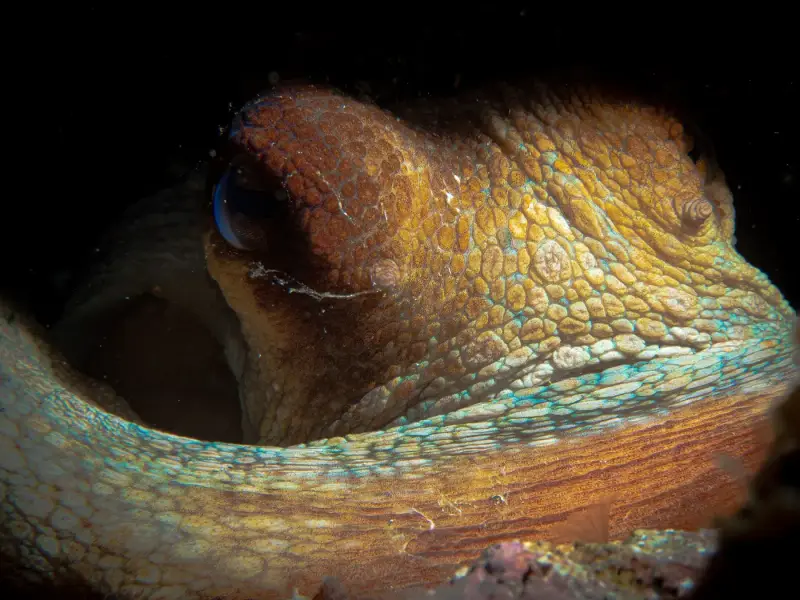
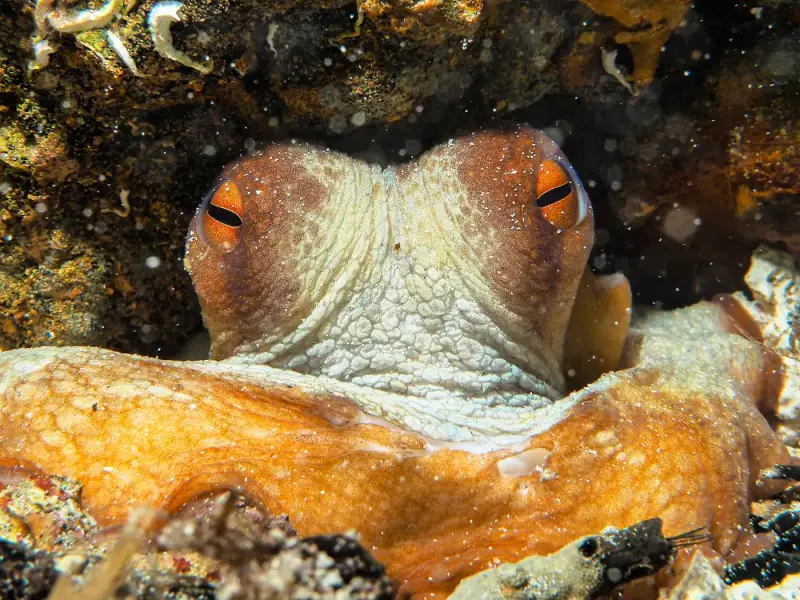
    Octopuses have nerve cells in their arms.

    Two-thirds of their nerve cells are in their arms. In total, an octopus has over 500 million.

  • Nº 027 · Physics

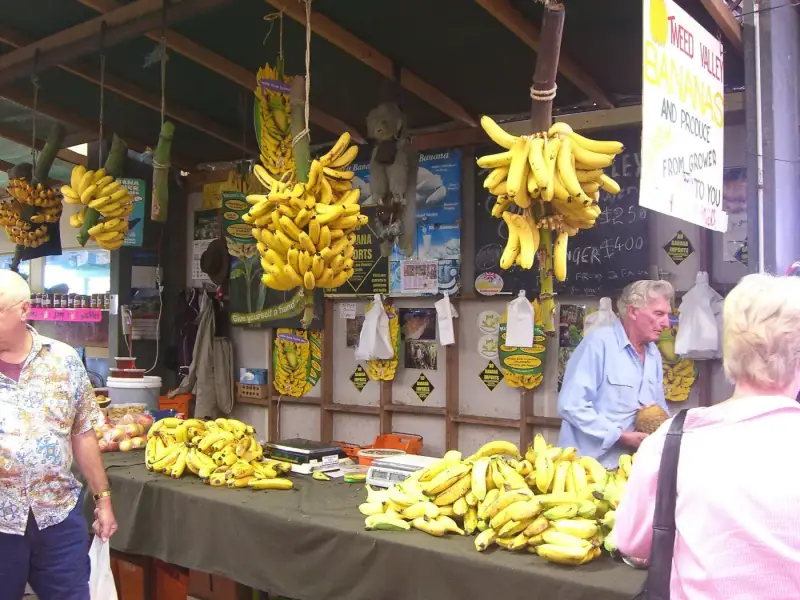
    Bananas are slightly radioactive.

    Natural potassium-40 makes them slightly radioactive. Your body excretes excess potassium.

  • Nº 026 · Space

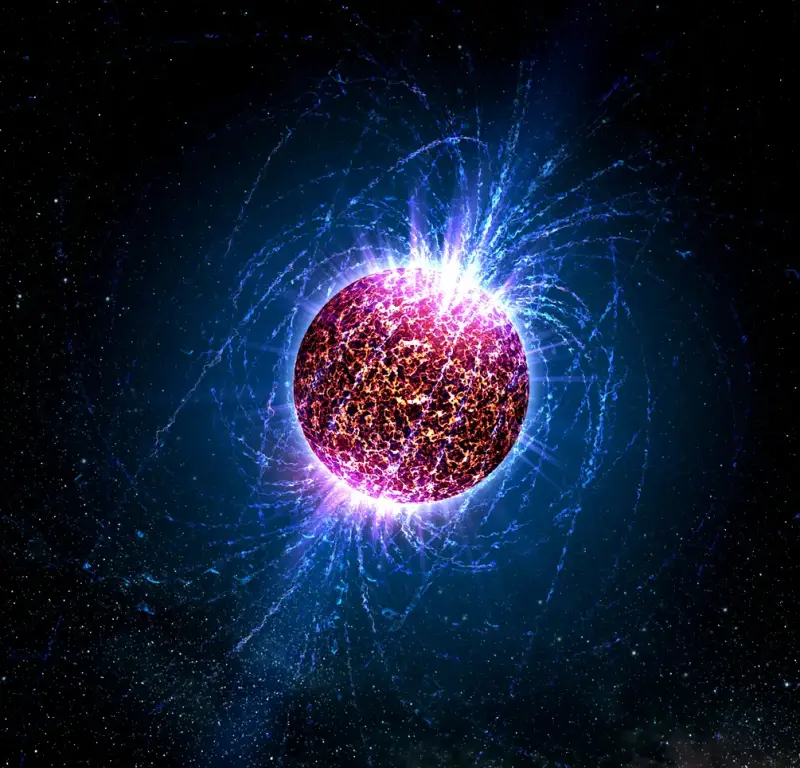
    A sugar cube as heavy as a mountain.

    Made of neutron-star matter, a tiny piece would have a mass of about a billion tons on Earth.

  • Nº 025 · History

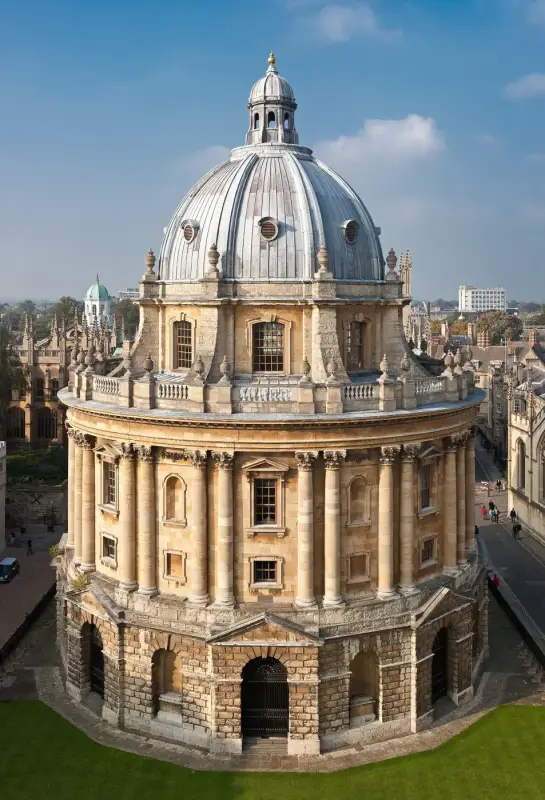
    Oxford is older than the Aztec Empire.

    Teaching took place in Oxford around 1096; the Aztec Empire only arose in 1428.

  • Nº 024 · Nature

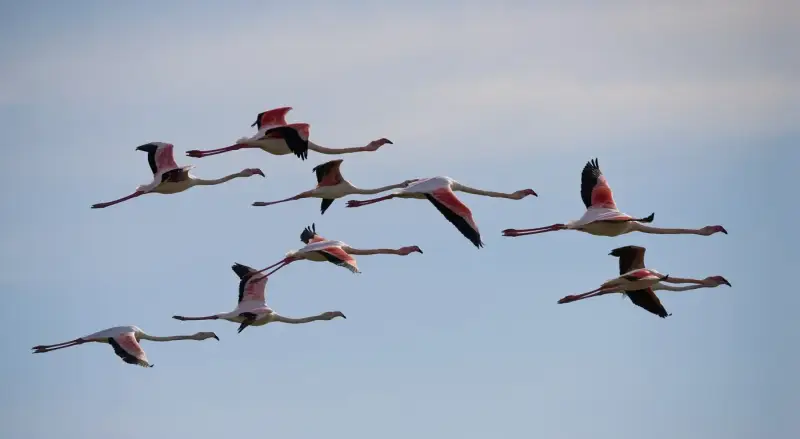
    Flamingos eat their way to pink.

    Their colour comes from their food. Young flamingos hatch greyish and turn pink later.

  • Nº 023 · Nature

    Peanuts aren't nuts.

    Botanically they are legumes, related to peas and beans. Their pods ripen underground.

  • Nº 022 · History

    The Great Wall is invisible from the Moon.

    At that distance it is too narrow to see – like a human hair viewed from three kilometres away.

  • Nº 021 · Nature

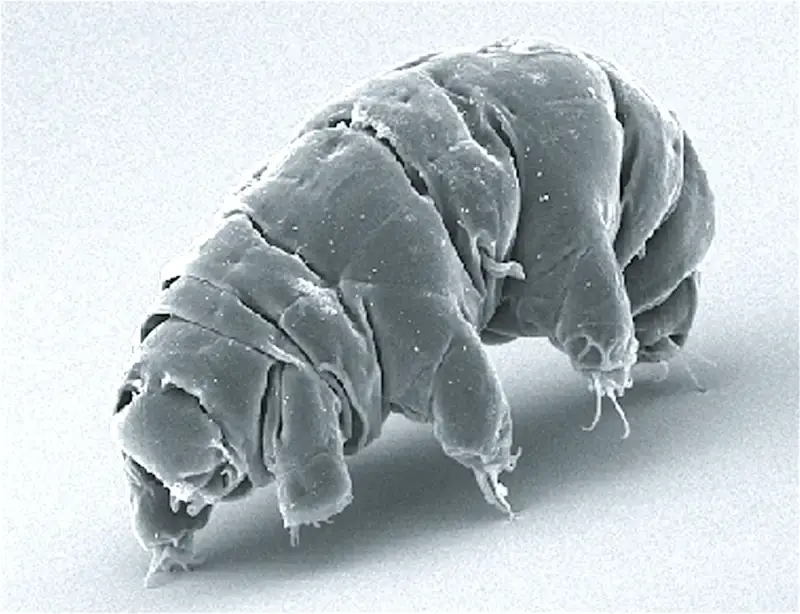
    Tardigrades survived the vacuum of space.

    Ten days without air: back on Earth, water was enough to revive the tiny animals.

  • Nº 020 · Nature

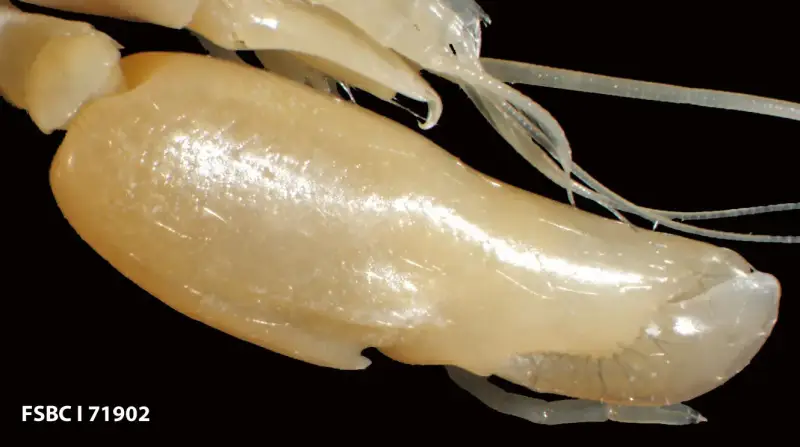
    A shrimp makes light with its claw.

    Its claw creates a bubble that collapses with a bang and a brief flash of light.

  • Nº 019 · History

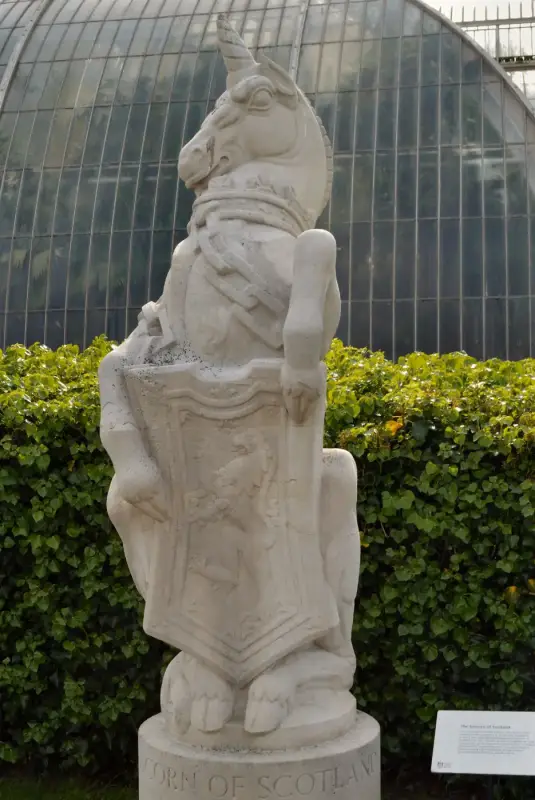
    Scotland's national animal: a unicorn.

    On the British coat of arms, the unicorn represents Scotland and the lion represents England.

  • Nº 018 · History · 40 sec

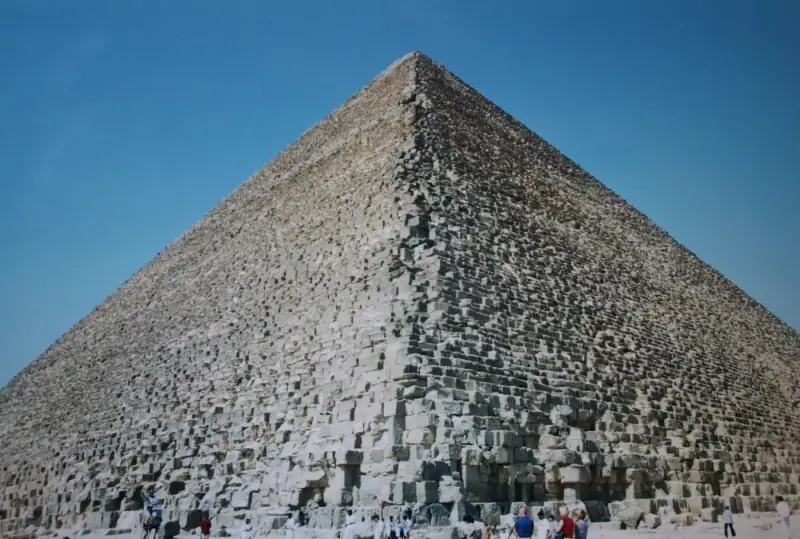
    Cleopatra lived closer to the Moon landing than to the building of the pyramid

    To us it's all "ancient Egypt". To Cleopatra, the Great Pyramid was already ancient.

  • Nº 017 · Physics · 45 sec

    Does old window glass flow downward?

    Old panes are often thicker at the bottom. The explanation sounds plausible – and is wrong.

  • Nº 016 · Physics · 1 min

    Does time pass faster on a mountain?

    Yes. Measurably so even a few stair steps higher – and your phone accounts for it every day.

    + Deep dive

  • Nº 015 · Physics · 1 min

    A glass of water against all the oceans

    Are there more water molecules in a glass than glasses of water in the seas? Let's do the math.

  • Nº 014 · Physics · 1 min

    How heavy is a cloud?

    It floats above you. How much water does a cumulus cloud of one cubic kilometre hold?

  • Nº 013 · Physics · 55 sec

    Why does metal feel colder than wood?

    Even though both are exactly the same temperature. Your skin doesn't measure temperature at all.

  • Nº 012 · Perception · 1 min

    There's a hole in your field of view.

    Every eye has a blind spot. You've never noticed yours – your brain simply paints it over.

  • Nº 011 · Perception · 1 min

    Can you trust your eyes?

    Two orange circles. One looks bigger. See how strongly your brain fools you.

  • Nº 010 · Nature · 45 sec

    Why is a banana a berry but a strawberry isn't?

    In botany, the name doesn't count – how the fruit forms from the flower does.

  • Nº 009 · Nature · 50 sec

    Were there sharks before trees?

    Their ancestors, yes. Today's sharks, on the other hand, are younger than the first forests.

  • Nº 008 · Nature · 55 sec

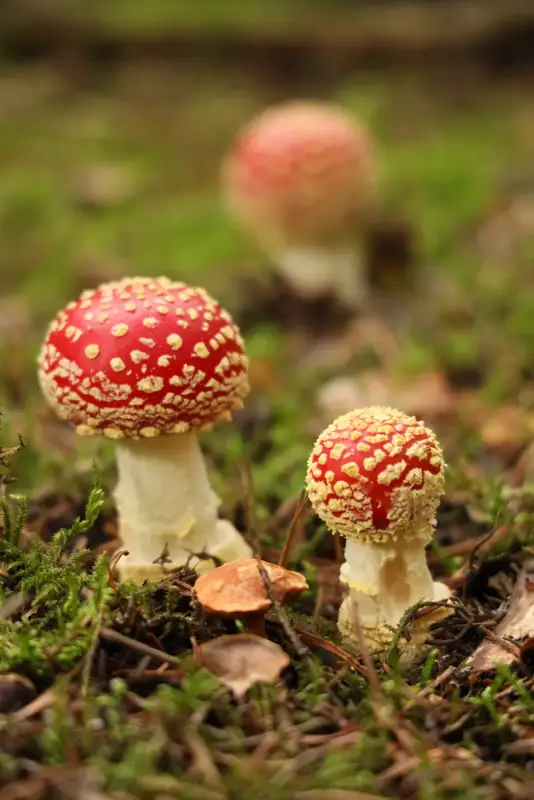
    Why is a mushroom more closely related to you than to a plant?

    It sits in the forest floor and doesn't move. Yet it belongs on our side of the family tree.

  • Nº 007 · Nature · 45 sec

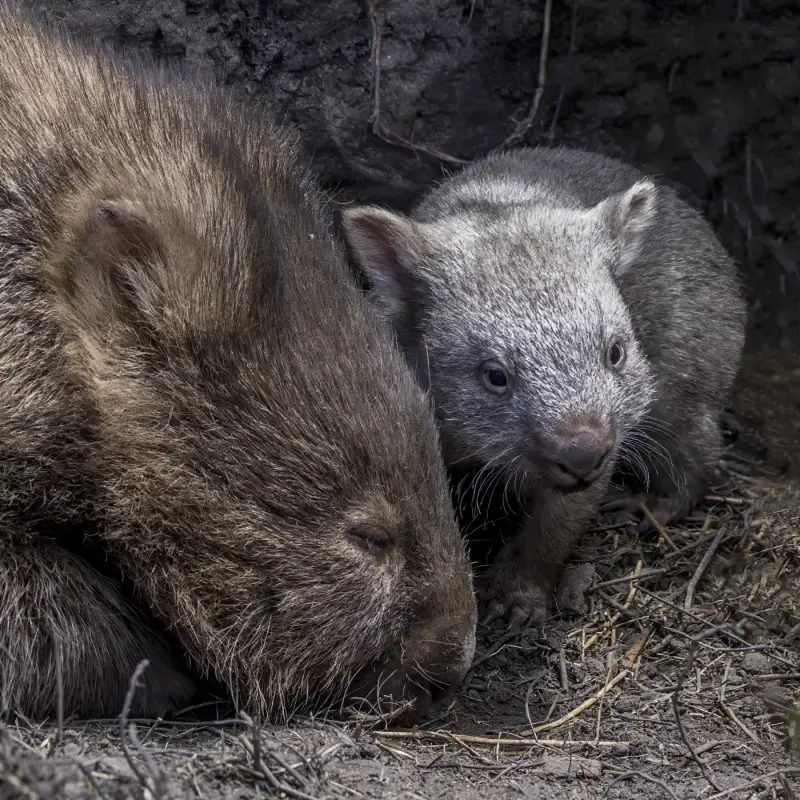
    Why does the wombat make cube-shaped poop?

    A round gut shapes cubes. Researchers only recently worked out how.

  • Nº 006 · Nature · 50 sec

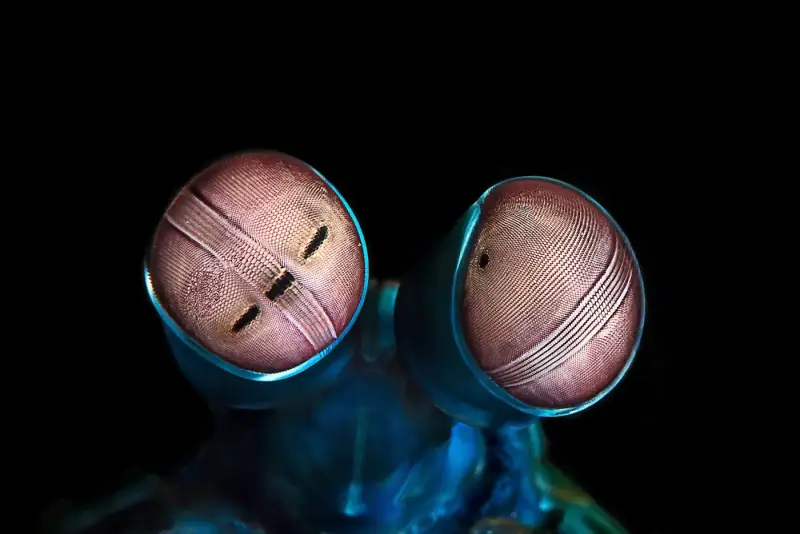
    12 color receptors – and still bad at seeing colors?

    It has one of the most complex eyes in the animal kingdom. And tells colors apart worse than we do.

  • Nº 005 · Nature · 45 sec

    One animal. Three hearts.

    Two pump blood through the gills, one through the body – and that one takes a break when it swims.

  • Nº 004 · Space · 1 min

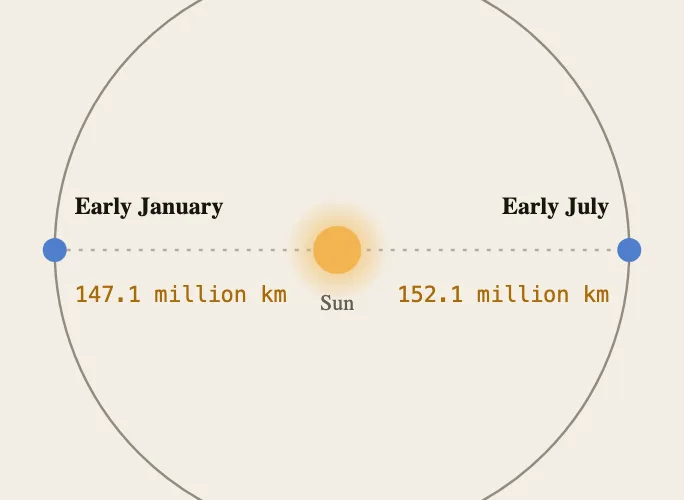
    Why is Earth closest to the Sun in January?

    In the middle of winter. Distance doesn't make the seasons – something else does.

  • Nº 003 · Space · 50 sec

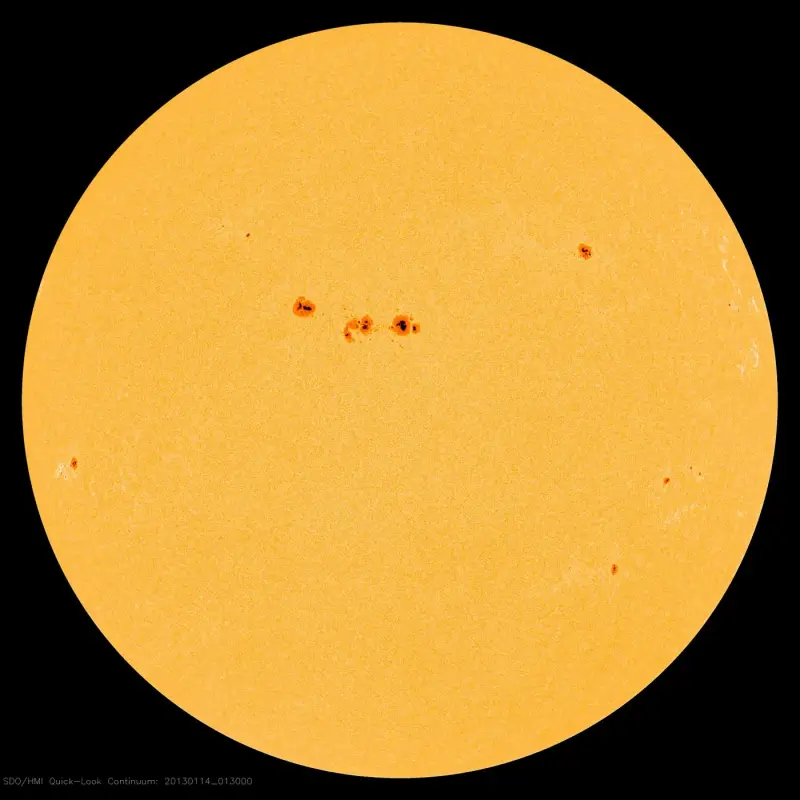
    How old is the sunlight on your skin?

    Eight minutes – and many thousands of years.

  • Nº 002 · Space · 50 sec

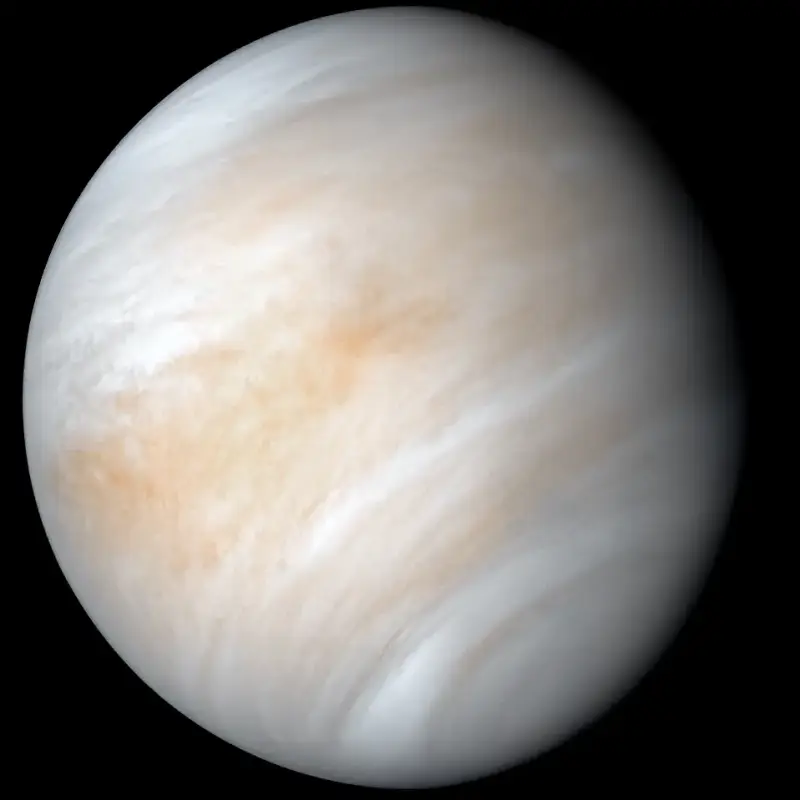
    Why is a day on Venus longer than its year?

    It spins so slowly that it circles the Sun faster than it turns once.

  • Nº 001 · Space · 1 min

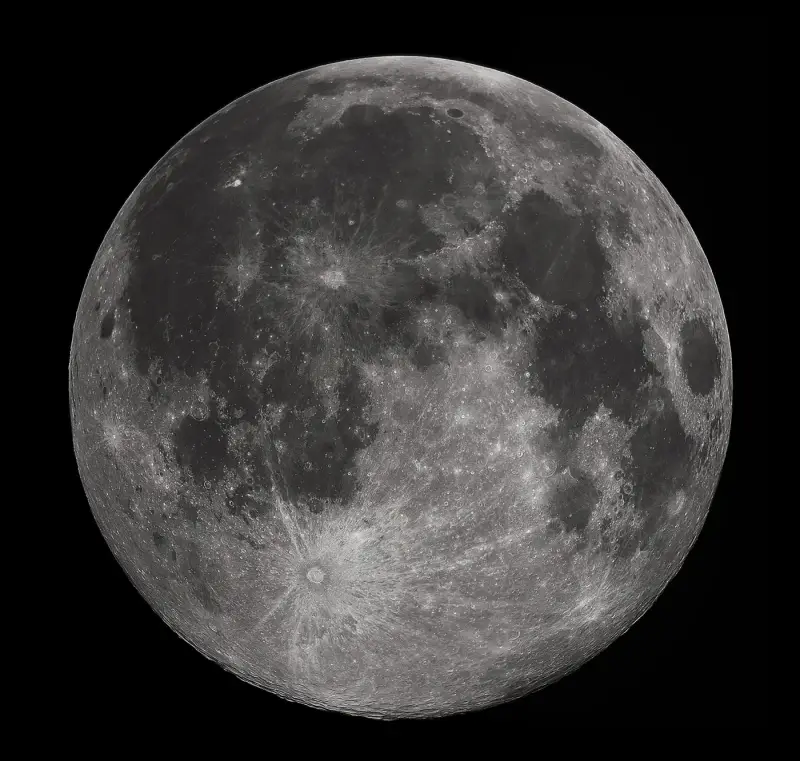
    Why do we always see the same side of the Moon?

    It does spin – exactly once per trip around Earth.

    + Deep dive

New in the app

This week, only in the app.

  • Here from October 13

    Nº 076 · History

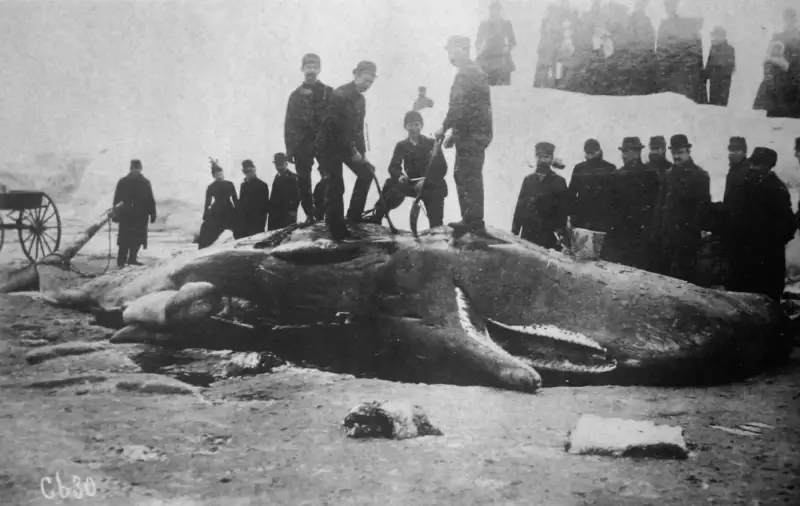
    When Oregon blew up a dead whale with dynamite

    In 1970 half a ton of explosives was meant to turn a beached sperm whale into bite-sized pieces for seagulls. It went differently.

  • Here from October 13

    Nº 075 · History

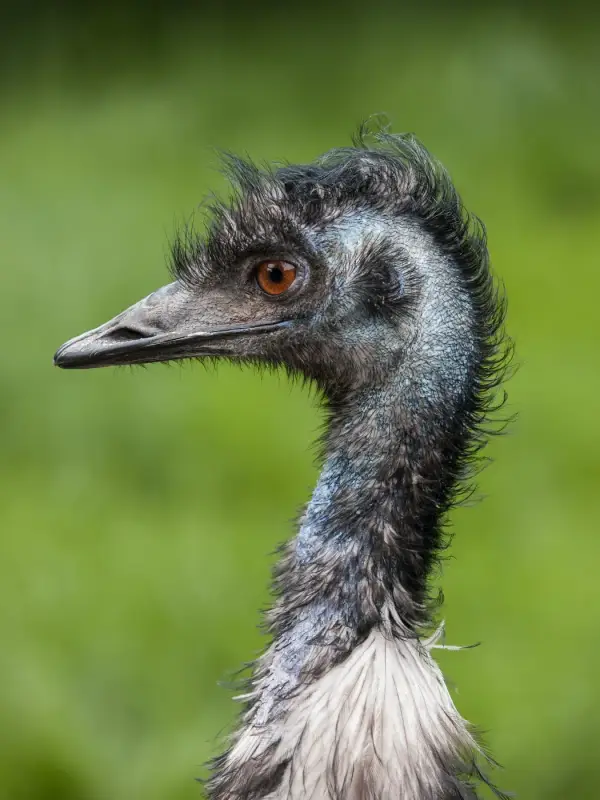
    When Australia's army lost to emus

    In 1932 soldiers with machine guns went out against emus raiding wheat fields. The birds proved hard to kill.

  • Here from October 13

    Nº 074 · Space

    A comet from outside our solar system.

    3I/ATLAS was discovered in July 2025 – only the third known visitor from another star system. It's just passing through.

  • Here from October 13

    Nº 073 · Technology

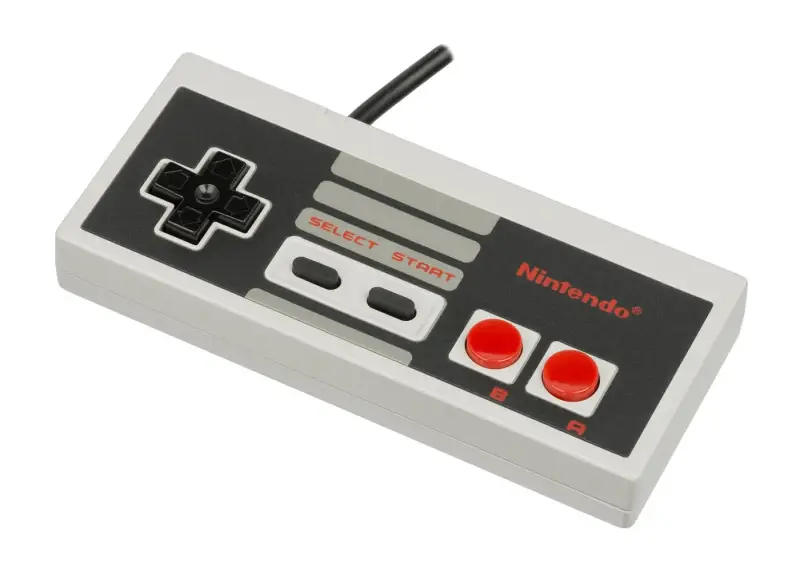
    A 13-year-old "beat" Tetris.

    In December 2023 Willis Gibson crashed the 1989 NES Tetris on level 157 – the first person ever to do it.

  • Here from October 13

    Nº 072 · Technology

    Many AI models stumble over the r's in "strawberry".

    Language models read text as numbers for whole word pieces. Counting letters that appear several times is hard for many of them.

  • Here from October 13

    Nº 071 · Technology

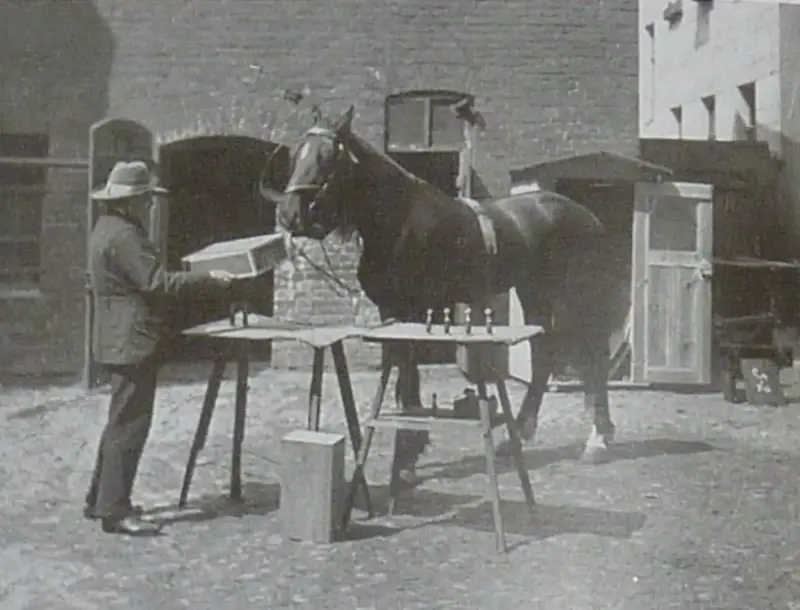
    What a counting horse reveals about AI

    Around 1900, Clever Hans tapped out sums with his hoof. Today researchers name a typical AI mistake after him.

  • Here from October 13

    Nº 070 · Technology

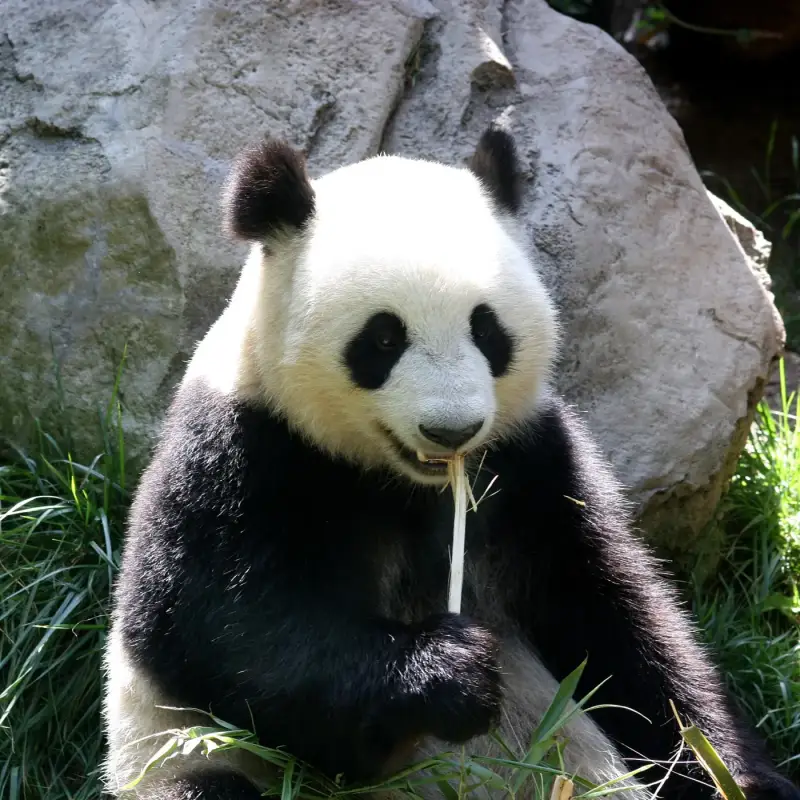
    Invisible noise turns a panda into a gibbon.

    Researchers laid a barely visible pattern over a photo of a panda. An image recognizer then saw a gibbon – 99.3 % sure.

  • Here from October 13

    Nº 069 · Technology

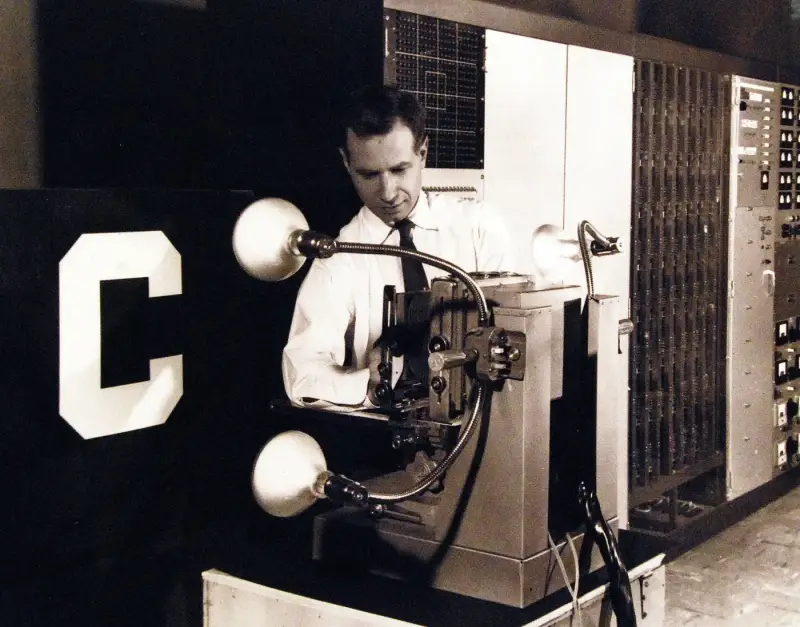
    The first learning computer was supposed to walk and talk

    In 1958 a machine learned to tell left from right after 50 tries. The New York Times saw a being with consciousness in it.