A tiny shortfall
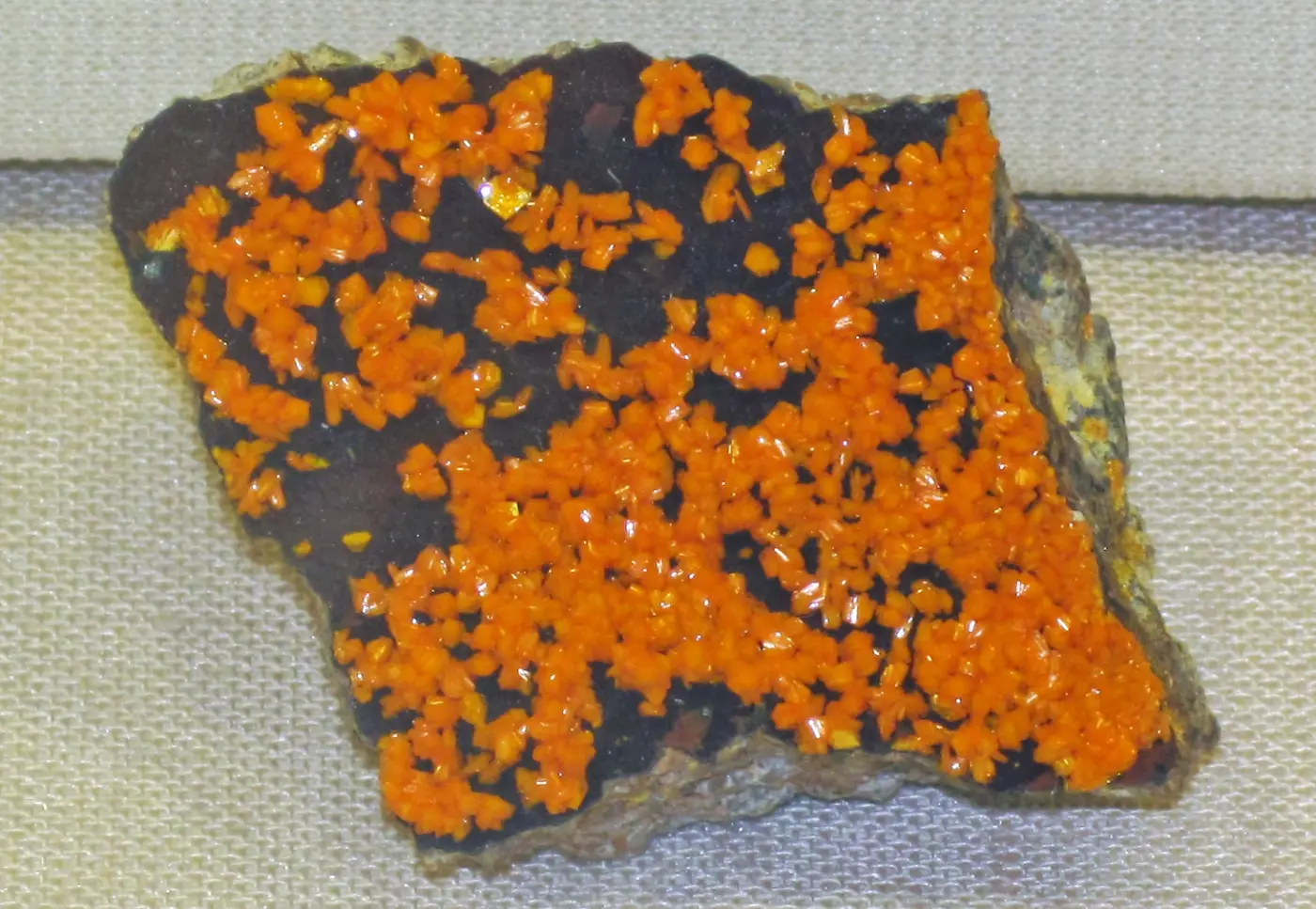
Uranium-235 makes up 0.72 percent of natural uranium everywhere. In 1972, a sample with slightly less stood out at France's Pierrelatte enrichment plant. Fissile material is strictly tracked so none ends up in weapons, so the hunt began. The trail led to the Oklo mine in Gabon, where uranium had as little as 0.44 percent.
A reactor's fingerprint
This kind of loss is exactly what happens inside a nuclear reactor. At Oklo, neodymium and ruthenium also showed an unusual mix of isotopes, the kind produced by fission. On 25 September 1972, France's atomic energy commission, the CEA, announced: chain reactions had run here around 2 billion years ago.
Your guess
How long did the natural reactor run at a stretch?
Deep dive
Predicted, but not believed
George Wetherill and Mark Inghram raised the possibility of natural nuclear reactors as early as 1953. In 1956, 16 years before the discovery, the nuclear chemist Paul Kuroda of the University of Arkansas examined the idea more closely and predicted that a chain reaction could develop in natural uranium deposits. Three things have to come together: enough fissile uranium-235; hardly any substances like boron or cadmium that swallow neutrons; and a moderator made of light atoms, such as water, to slow down the fast neutrons. Kuroda's idea remained controversial. Many considered it too unlikely that all of this would coincide in nature. When Oklo was discovered in 1972, the conditions there were very similar to his prediction.
Continues in the app
- Detective work in the lab
- The fingerprint in neodymium
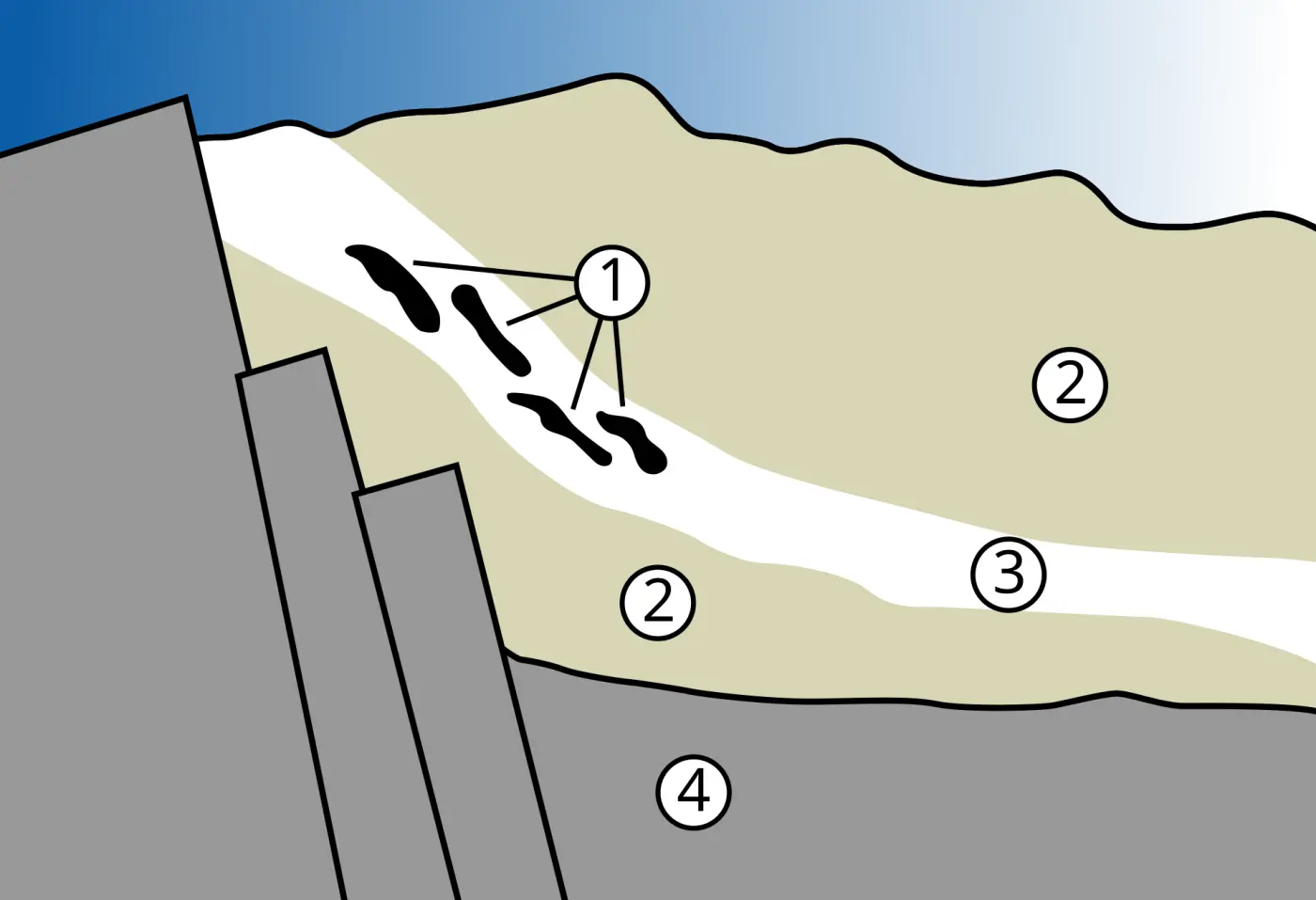
- Why here of all places?
- A clock made of xenon
- Why it didn't explode
- A 2-billion-year repository test
- A test for the constants of nature
- Quiz with 4 questions
- 4 key points to keep
_(31205942471).jpg)
