Discoveries

Every discovery, with its sources.

Short explanations from nature, space, physics and history. New ones are in the app first and arrive here a week later.

  • Nº 055 · Physics · 50 sec

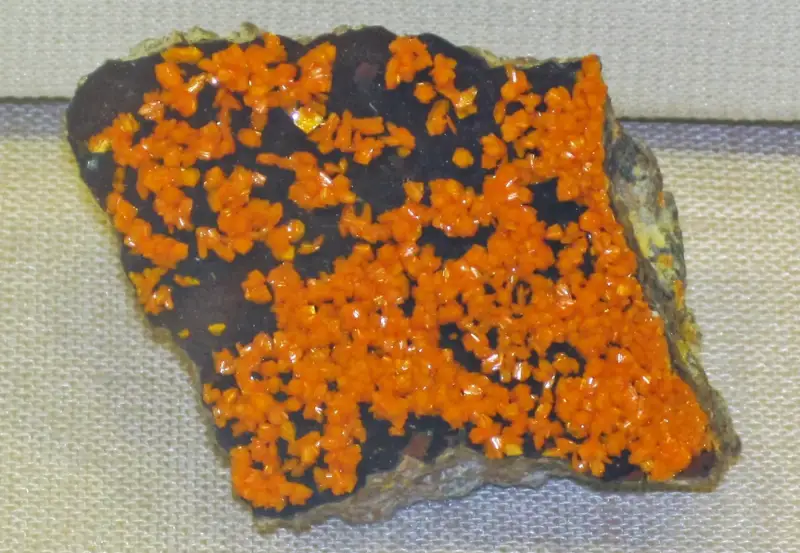
    Around 2 billion years ago, a nuclear reactor ran in Gabon – on its own

    In 1972, uranium from Africa came up short on its fissile isotope. Nobody had stolen it – nature had burned it up itself.

    + Deep dive

  • Nº 053 · Physics · 1 min

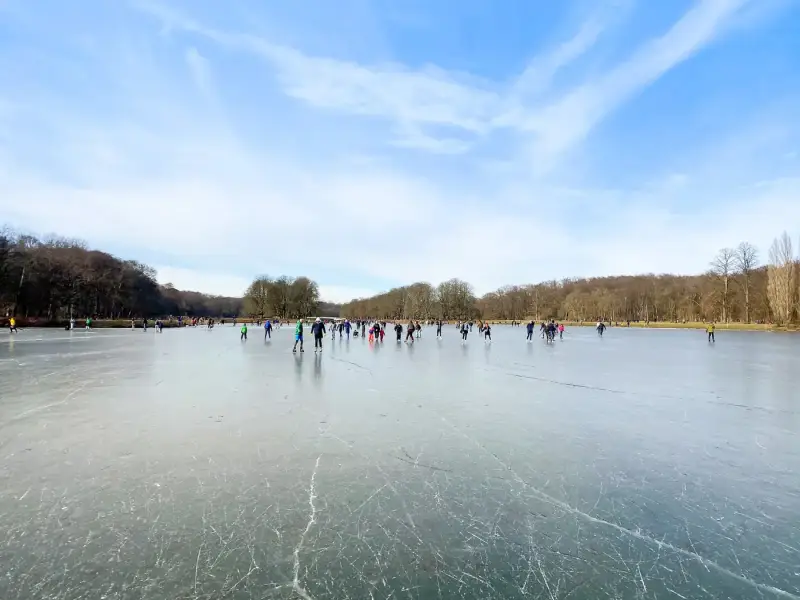
    Ice skates don't melt the ice. So why is it slippery?

    For a long time the answer was: the blade's pressure melts the ice. The numbers don't add up. What happens instead is still debated by physicists.

  • ✦ New research Nº 049 · Physics · 55 sec
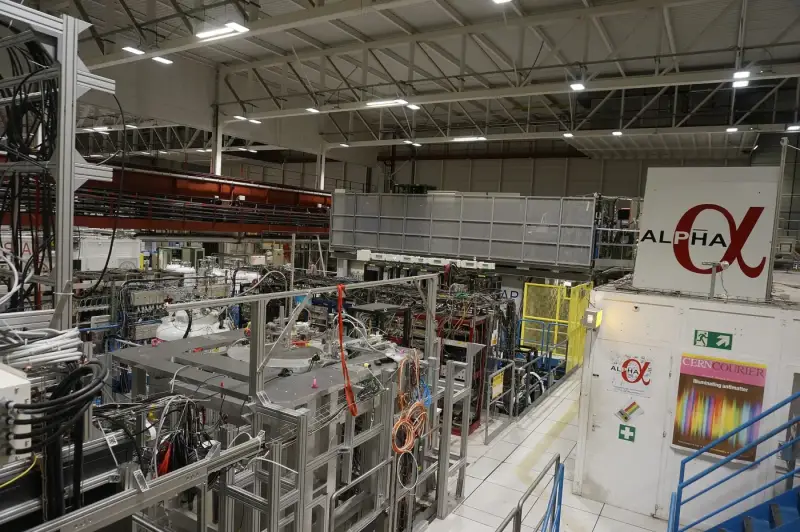
    Antimatter falls down. Nobody measured it until 2023

    Theory predicted it, but no one had seen it. At CERN, a team first directly observed anti-atoms falling – and where they landed.

  • Nº 033 · Physics

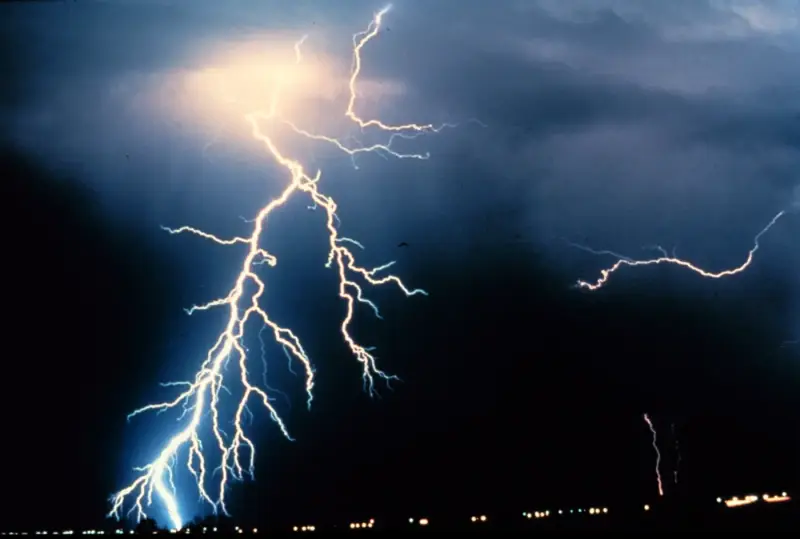
    Lightning is hotter than the Sun's surface.

    Air in a lightning channel can reach about 27,800 degrees Celsius. Its rapid expansion produces thunder.

  • Nº 027 · Physics

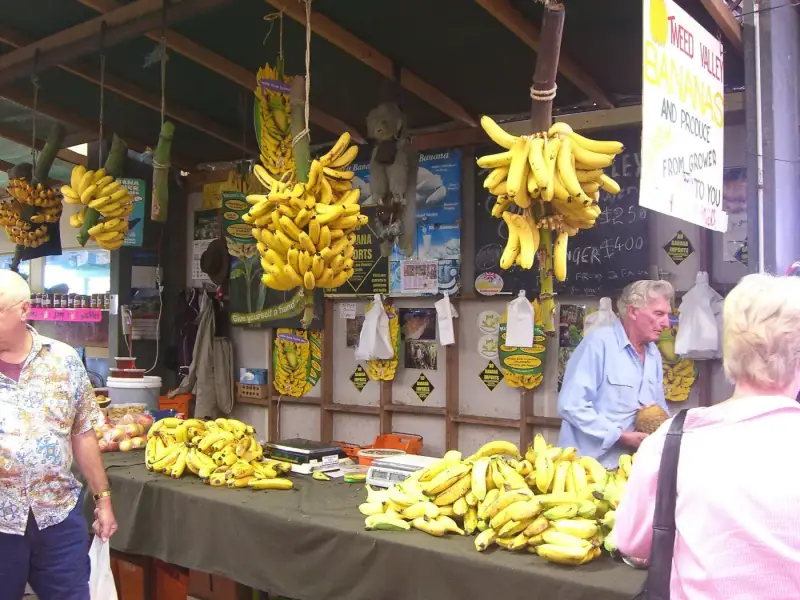
    Bananas are slightly radioactive.

    Natural potassium-40 makes them slightly radioactive. Your body excretes excess potassium.

  • Nº 017 · Physics · 45 sec

    Does old window glass flow downward?

    Old panes are often thicker at the bottom. The explanation sounds plausible – and is wrong.

  • Nº 016 · Physics · 1 min

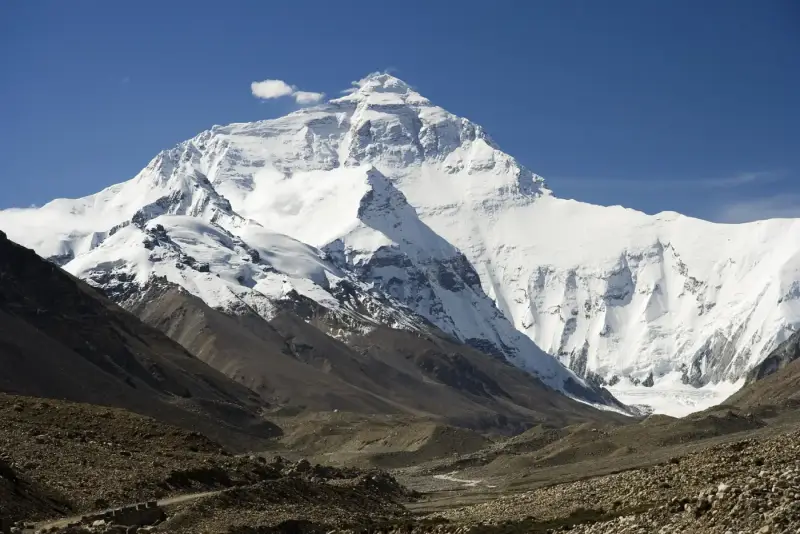
    Does time pass faster on a mountain?

    Yes. Measurably so even a few stair steps higher – and your phone accounts for it every day.

    + Deep dive

  • Nº 015 · Physics · 1 min

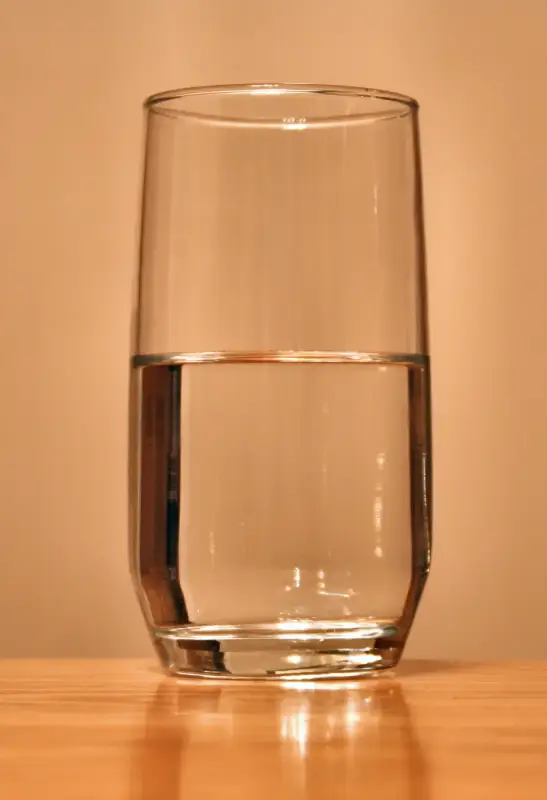
    A glass of water against all the oceans

    Are there more water molecules in a glass than glasses of water in the seas? Let's do the math.

  • Nº 014 · Physics · 1 min

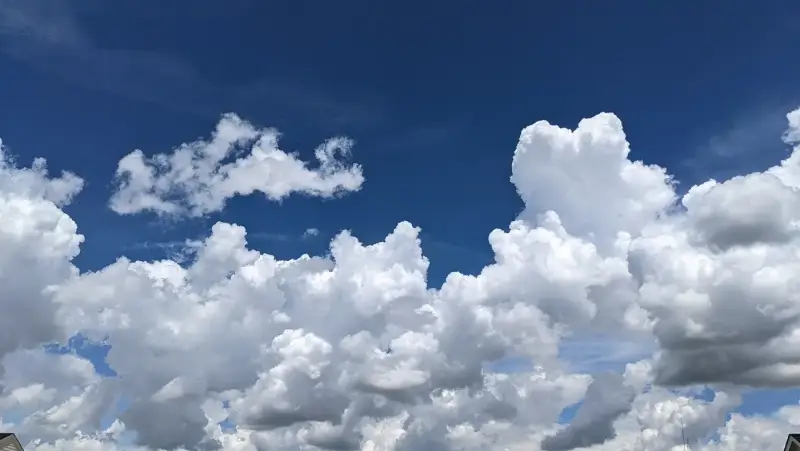
    How heavy is a cloud?

    It floats above you. How much water does a cumulus cloud of one cubic kilometre hold?

  • Nº 013 · Physics · 55 sec

    Why does metal feel colder than wood?

    Even though both are exactly the same temperature. Your skin doesn't measure temperature at all.

New in the app

This week, only in the app.

  • Here from October 13

    Nº 084 · History

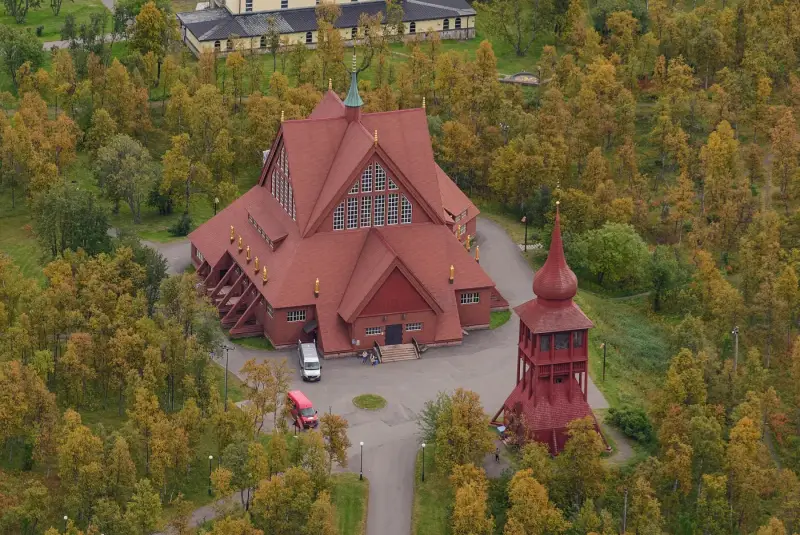
    A town is moving because the mine beneath it is growing

    Kiruna in northern Sweden stands on ground beneath which iron ore is mined. So the town is moving – church and all.

  • Here from October 13

    Nº 083 · Technology

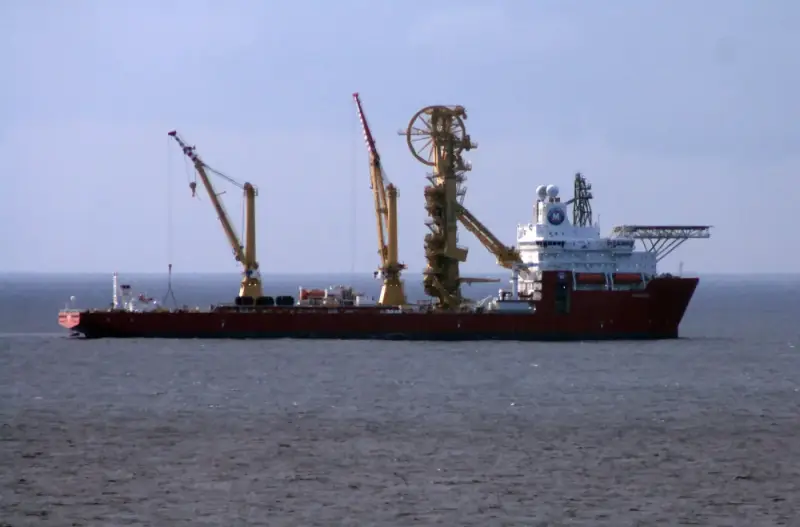
    The internet lies on the seabed

    Almost all data between continents runs through cables barely thicker than a garden hose. And no, sharks aren't the problem.

  • Here from October 13

    ✦ New research Nº 082 · Nature

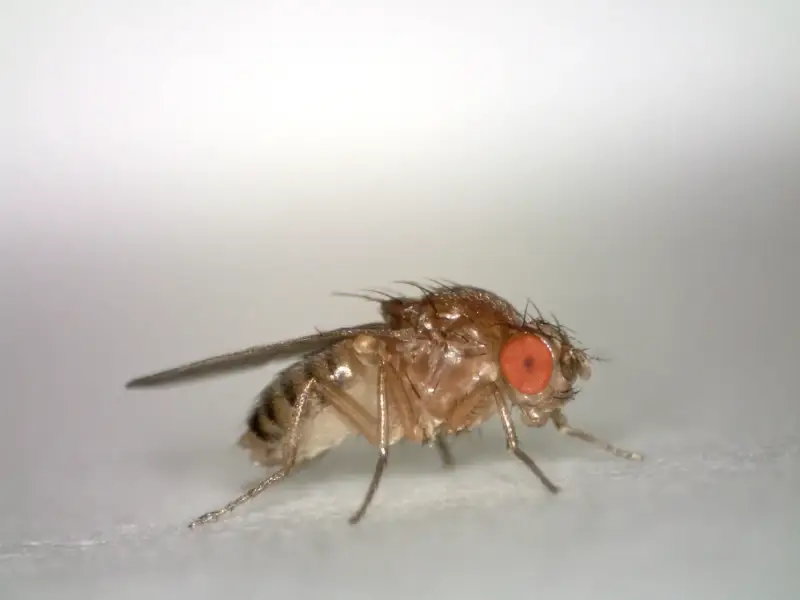
    The first complete wiring diagram of a fly brain

    A team has mapped every nerve cell and every connection in the brain of a fruit fly. For 139,255 cells it took years of manual work.

  • Here from October 13

    Nº 081 · Technology

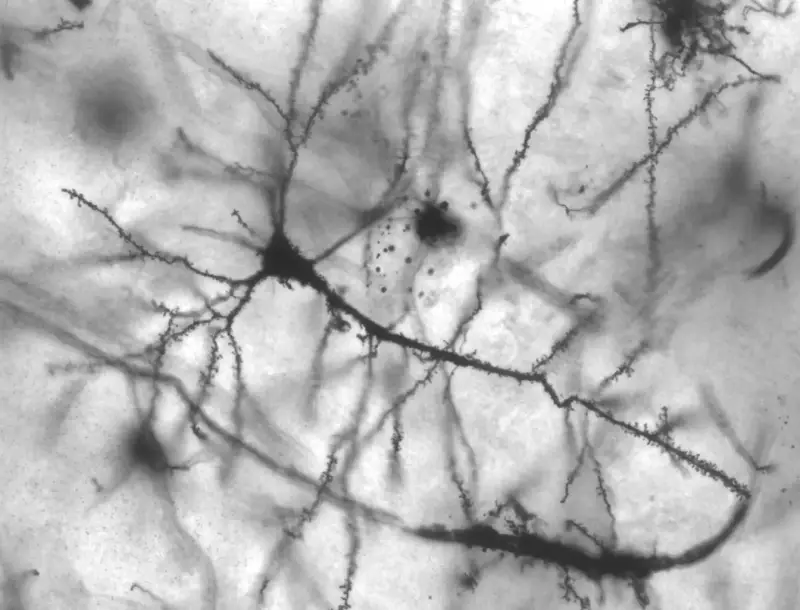
    What an artificial neuron actually computes

    It isn't a brain, just a small calculation: weight the inputs, add them up, send them through a curve. Try it.

  • Here from October 13

    Nº 080 · Technology

    AI would rather guess than say "I don't know".

    A 2025 study says tests reward guessing. Asked for one birthday, a model gave a different wrong date three times.

  • Here from October 13

    Nº 079 · Technology

    In 1966 a secretary wanted to be alone with a chatbot.

    ELIZA only mirrored sentences back. Even so, Joseph Weizenbaum's secretary asked him to leave the room.

  • Here from October 13

    Nº 078 · Technology

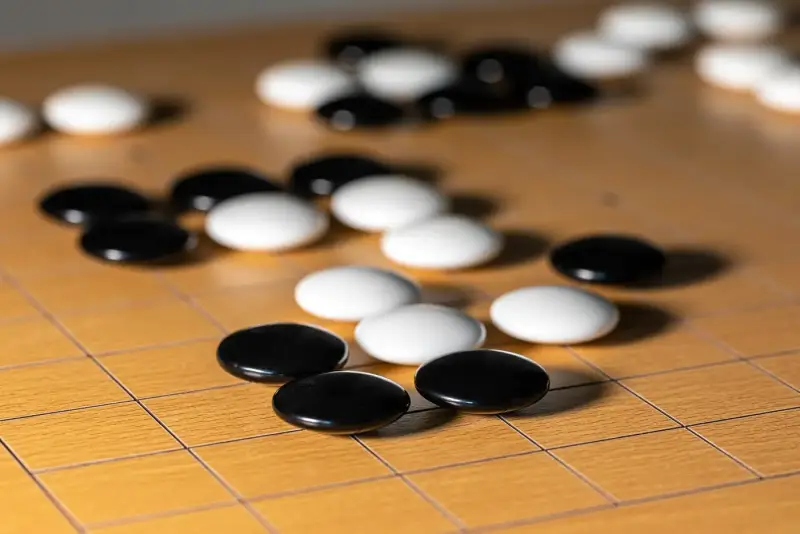
    Move 37: When an AI played a move hardly any human would have chosen

    In 2016 AlphaGo played one of the best Go players in the world. One move stunned the pros – and so did one by the human.

  • Here from October 13

    Nº 077 · Technology

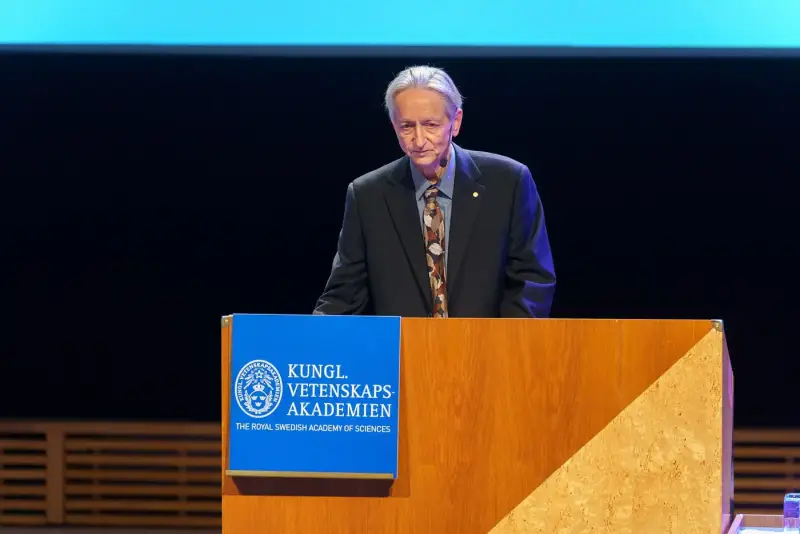
    In 2024 there were two Nobel Prizes for AI

    Physics for the foundations of neural networks, chemistry for an AI that folds proteins. Both have their roots in physics.

  • Here from October 13

    Nº 076 · History

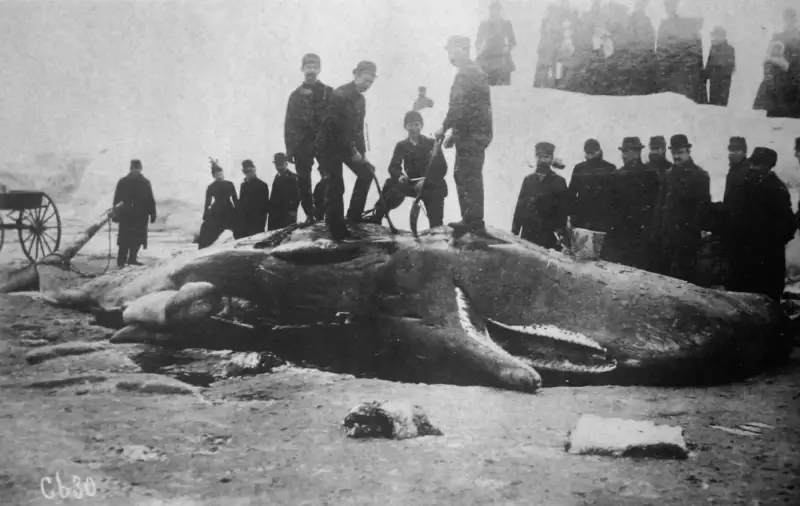
    When Oregon blew up a dead whale with dynamite

    In 1970 half a ton of explosives was meant to turn a beached sperm whale into bite-sized pieces for seagulls. It went differently.

  • Here from October 13

    Nº 075 · History

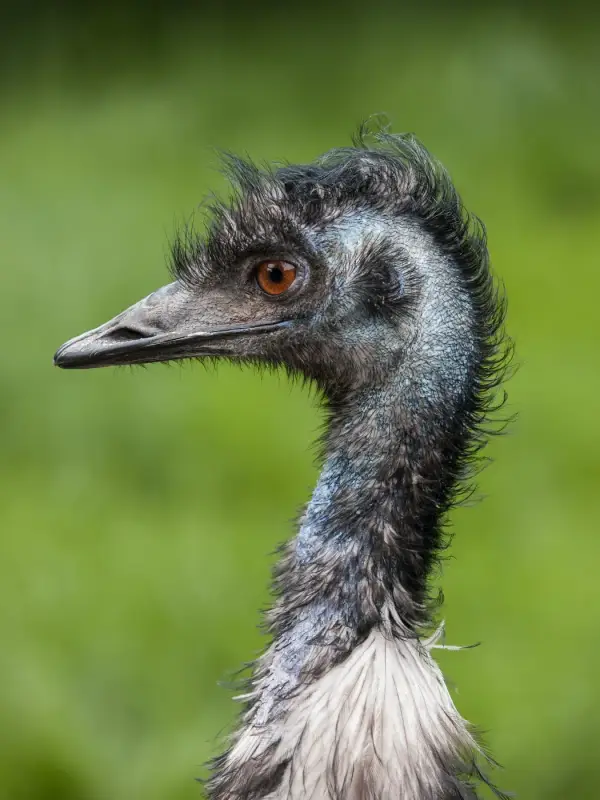
    When Australia's army lost to emus

    In 1932 soldiers with machine guns went out against emus raiding wheat fields. The birds proved hard to kill.

  • Here from October 13

    Nº 074 · Space

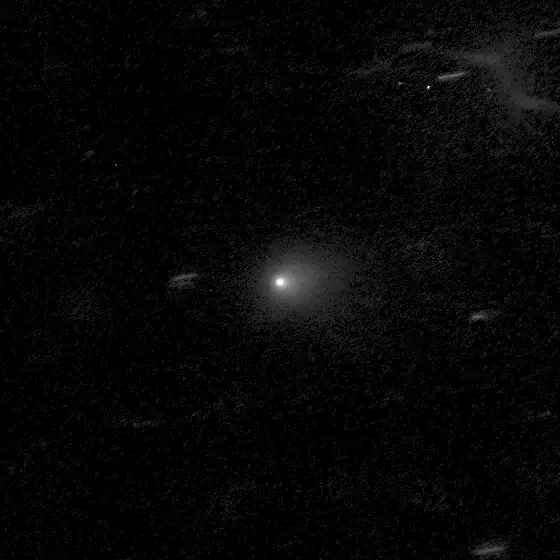
    A comet from outside our solar system.

    3I/ATLAS was discovered in July 2025 – only the third known visitor from another star system. It's just passing through.

  • Here from October 13

    Nº 073 · Technology

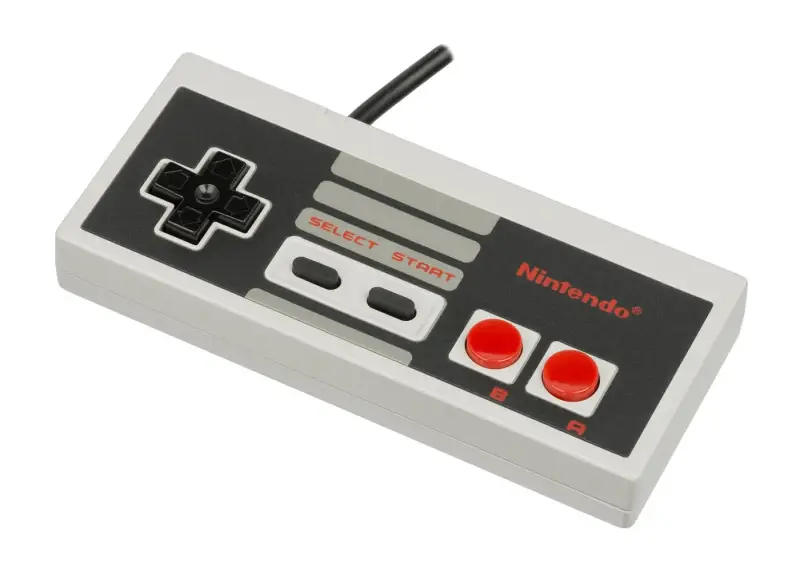
    A 13-year-old "beat" Tetris.

    In December 2023 Willis Gibson crashed the 1989 NES Tetris on level 157 – the first person ever to do it.

  • Here from October 13

    Nº 072 · Technology

    Many AI models stumble over the r's in "strawberry".

    Language models read text as numbers for whole word pieces. Counting letters that appear several times is hard for many of them.

  • Here from October 13

    Nº 071 · Technology

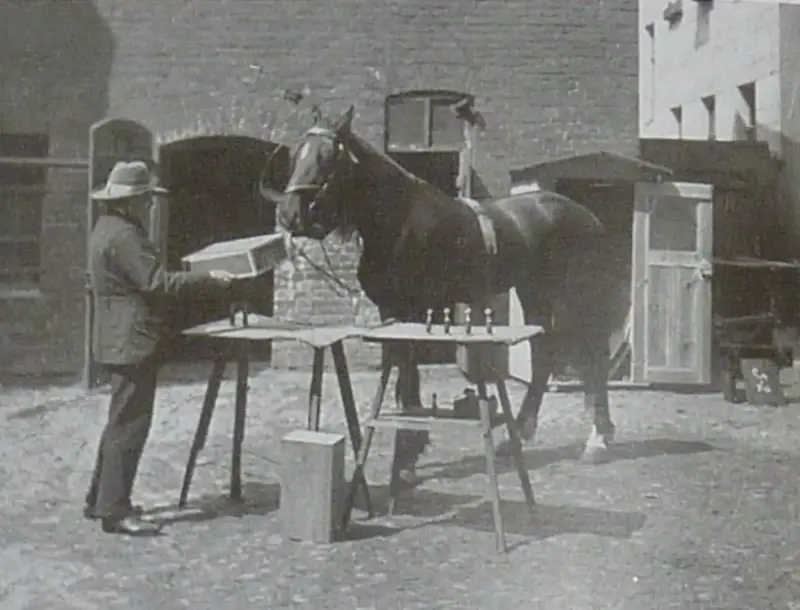
    What a counting horse reveals about AI

    Around 1900, Clever Hans tapped out sums with his hoof. Today researchers name a typical AI mistake after him.

  • Here from October 13

    Nº 070 · Technology

    Invisible noise turns a panda into a gibbon.

    Researchers laid a barely visible pattern over a photo of a panda. An image recognizer then saw a gibbon – 99.3 % sure.

  • Here from October 13

    Nº 069 · Technology

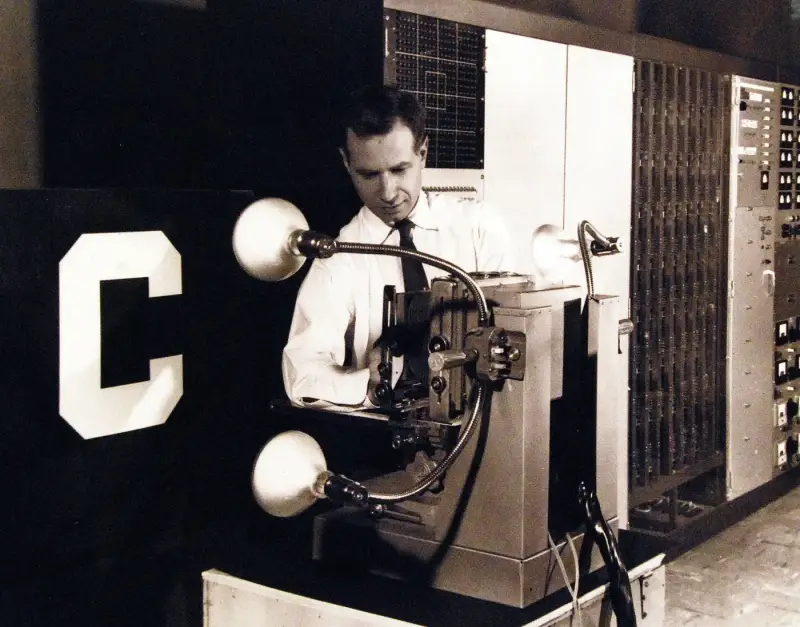
    The first learning computer was supposed to walk and talk

    In 1958 a machine learned to tell left from right after 50 tries. The New York Times saw a being with consciousness in it.