Discoveries

Every discovery, with its sources.

Short explanations from nature, space, physics and history. New ones are in the app first and arrive here a week later.

  • Nº 181 · History

    Australia's heraldic animals can't easily walk backwards.

    A kangaroo and an emu hold up the shield – according to the government, as a sign of a country moving forward.

    Photo: Carlos Delgado · CC BY-SA 3.0

  • Nº 176 · History

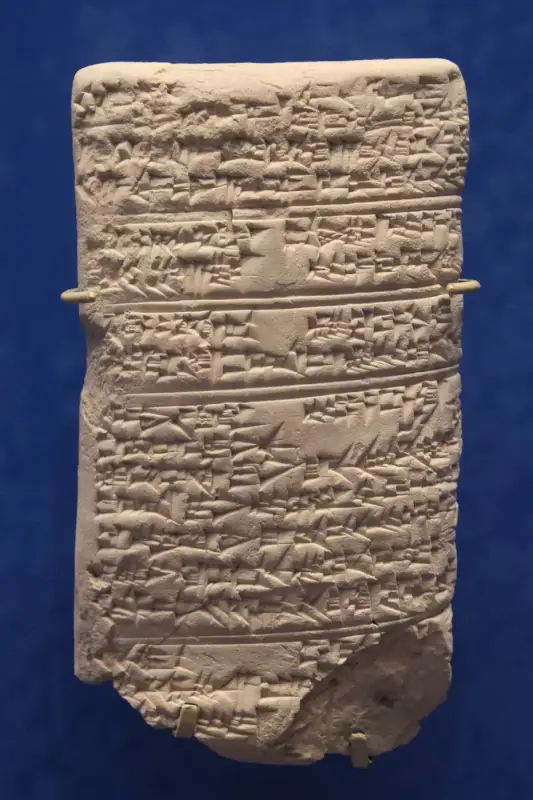
    The oldest recorded joke is about farting.

    A Sumerian proverb, dated to 1900 BC, tops a list of the oldest jokes. It's about a young woman and her husband.

    Photo: Zunkir · CC BY-SA 4.0

  • Nº 174 · History · 1 min

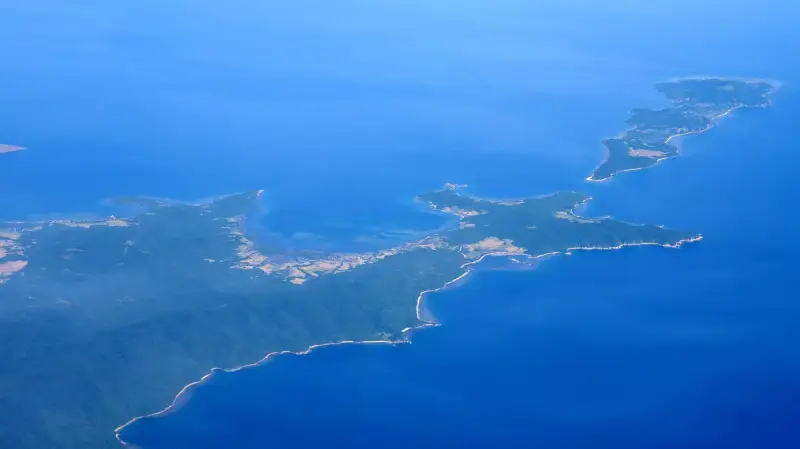
    Hiroo Onoda fought on in the jungle until 1974, nearly 29 years after the war

    The Japanese lieutenant said he took leaflets, search parties and radio broadcasts about the end of the war for enemy propaganda.

    Photo: Bahnfrend · CC BY-SA 4.0

  • Nº 173 · History · 50 sec

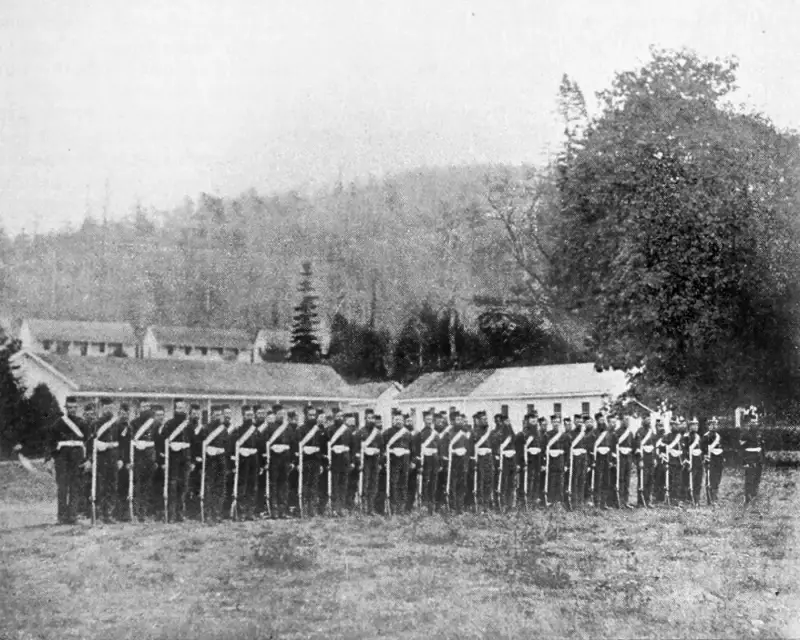
    Over a pig, British and American forces faced each other under arms in 1859

    On San Juan Island a US farmer shot a pig. It turned into a border dispute with warships, cannons and hundreds of soldiers.

    Photo: Unknown authorUnknown author · Public domain

  • Nº 160 · History

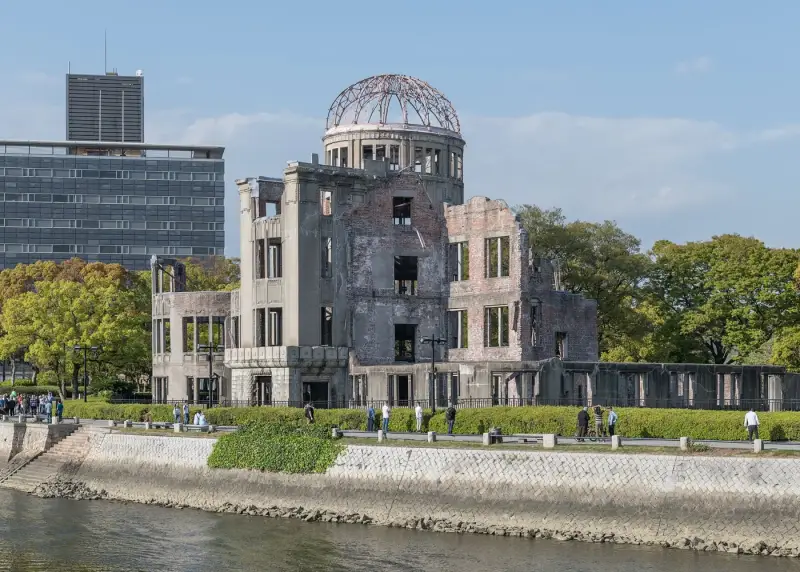
    Tsutomu Yamaguchi survived both atomic bombs

    On 6 August 1945 he was on a business trip in Hiroshima when the first bomb fell. Three days later he lived through the second in Nagasaki.

    Photo: DXR · CC BY-SA 4.0

  • Nº 159 · History

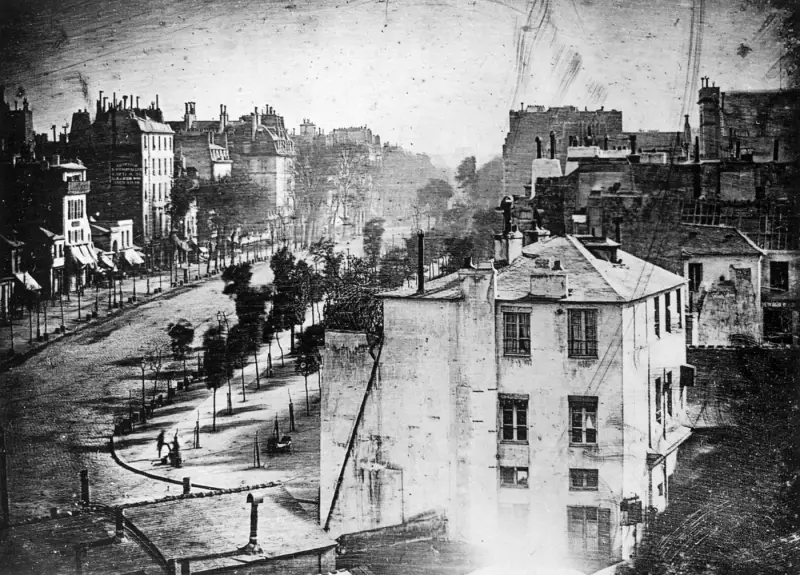
    The first person in a photo was having his shoes shined

    In 1838 Louis Daguerre photographed a busy Paris boulevard. The exposure took minutes – only those who kept still stayed in the picture.

    Photo: Louis Daguerre · Public domain

  • Nº 145 · History · 1 min

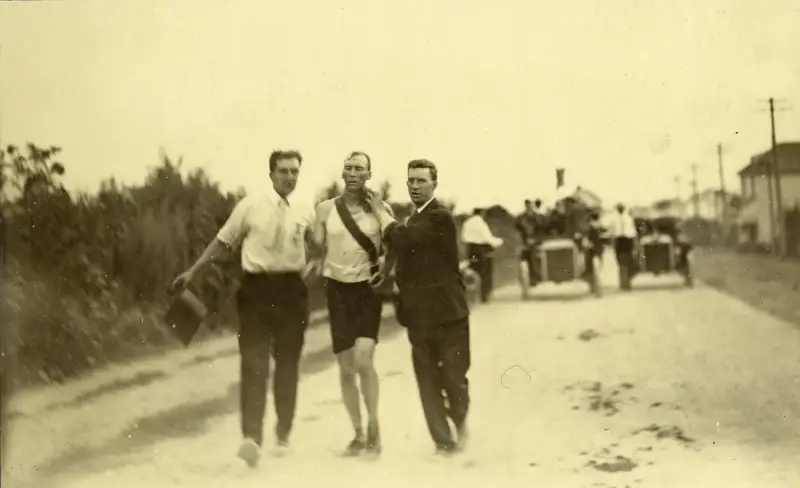
    Olympics 1904: a marathon with a car ride, strychnine and a nap

    The first man home had ridden part of the way in a car; the winner got strychnine en route. How an Olympic marathon in St. Louis went off the rails.

    Photo: Jessie Tarbox Beals · Public domain

  • Nº 144 · History

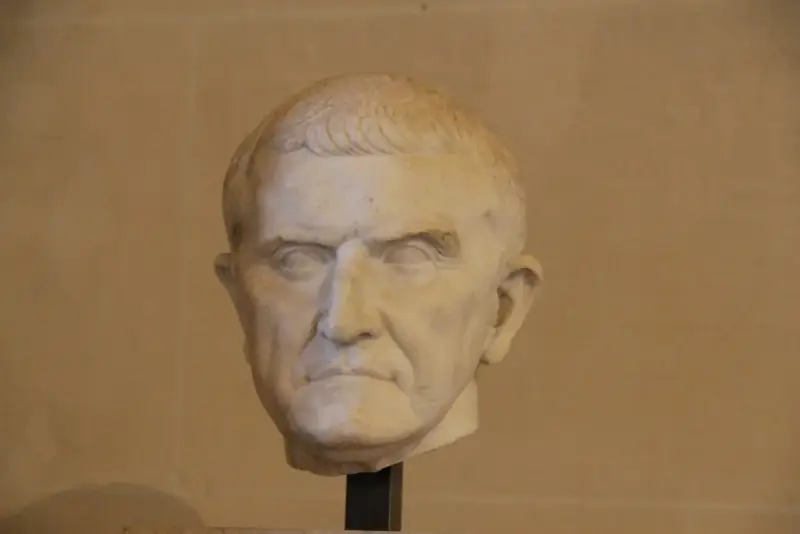
    Crassus bought houses while they were still burning.

    And the houses next door too: out of fear, the owners sold them cheaply. That's how Plutarch describes it.

    Photo: Gary Todd from Xinzheng, China · CC0

  • Nº 126 · History · 45 sec

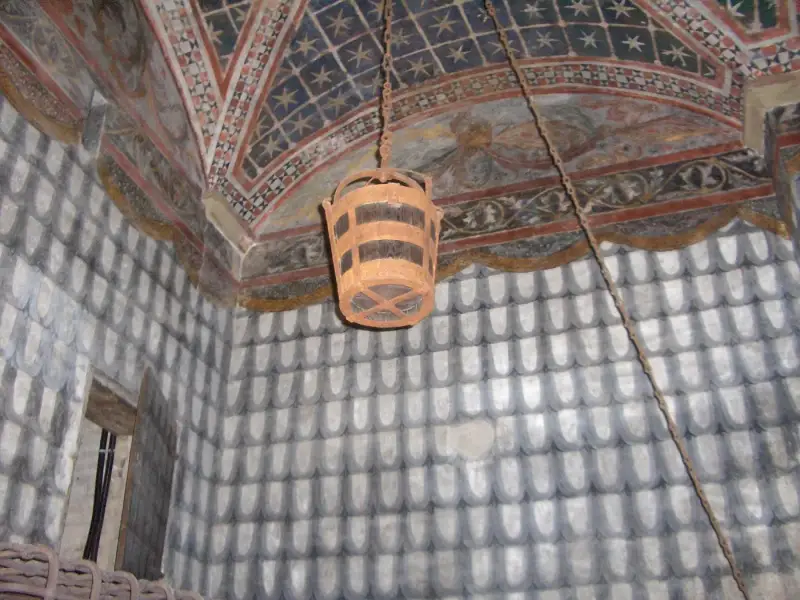
    What the bucket had to do with the War of the Bucket

    In 1325 Bologna and Modena met in an unusually large pitched battle. The war is named after a wooden bucket.

    Photo: Alien life form · CC BY-SA 3.0

  • Nº 121 · History · 55 sec

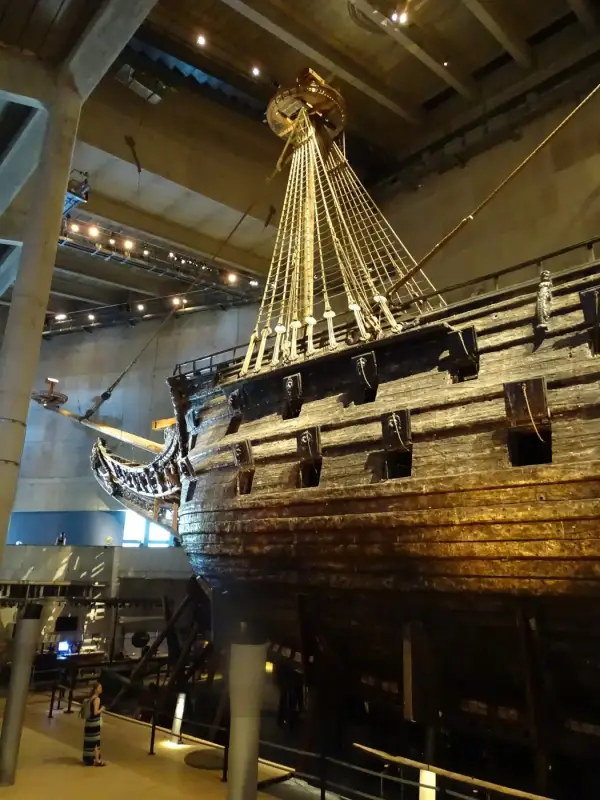
    The Vasa: Sweden's showpiece warship sank after 1,300 metres

    In 1628 one of the most heavily armed ships in the world set sail – and capsized in full view of Stockholm.

    + Deep dive

    Photo: Ad Meskens · CC BY-SA 4.0

  • Nº 117 · History

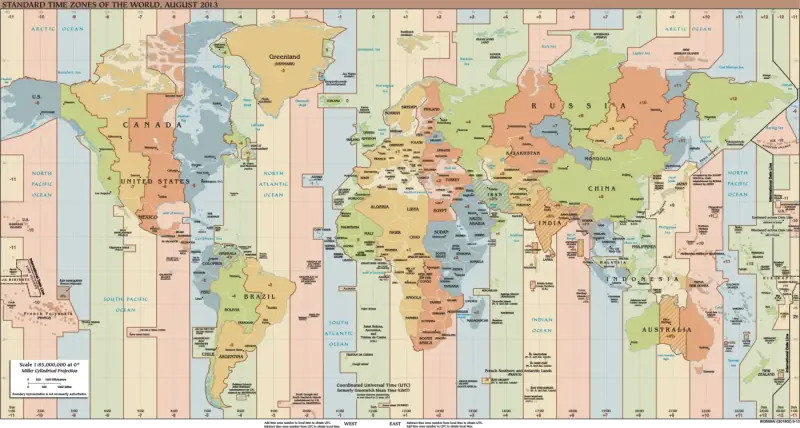
    Russia doesn't have the most time zones.

    Russia has 11. Another country has more – thanks to territories all around the globe.

    Visualization: United States Central Intelligence Agency (CIA) · Public domain

  • Nº 105 · History

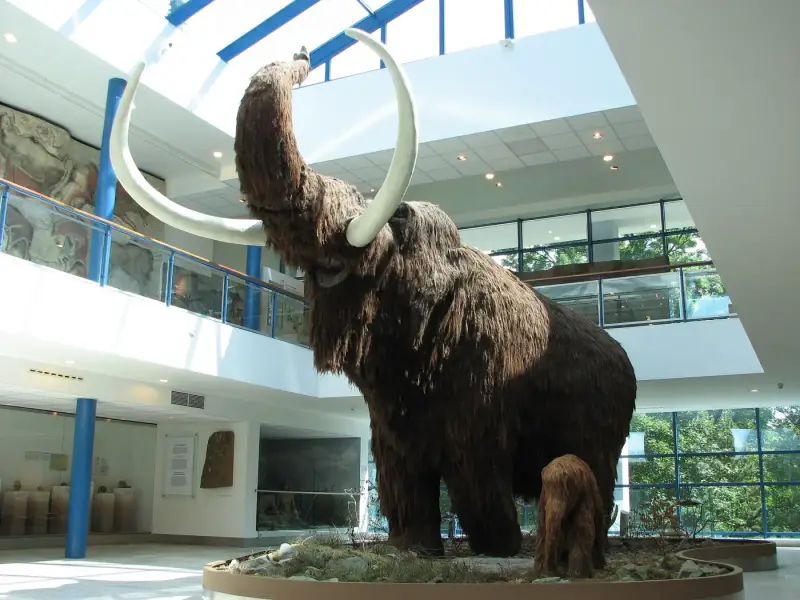
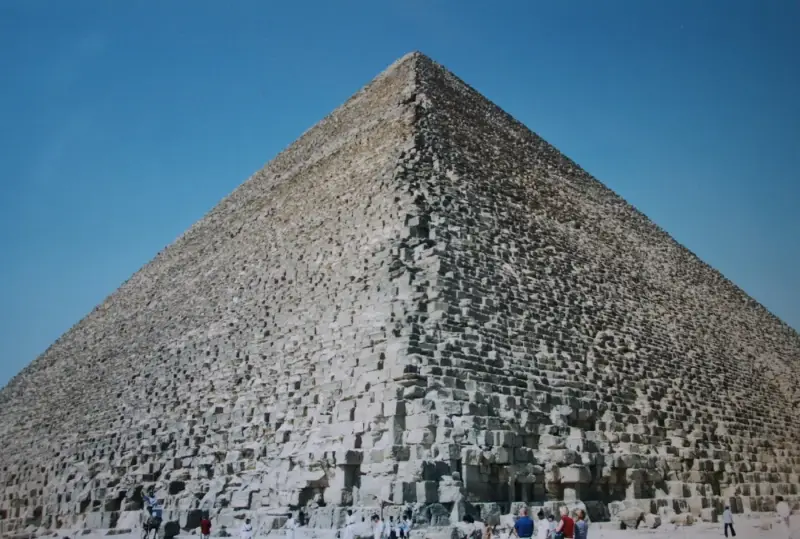
    When the Great Pyramid was built, mammoths were alive.

    A last group on Wrangel Island survived until about 4,000 years ago – centuries after the pyramid was built.

    Photo: HTO · Public domain

  • Nº 100 · History · 55 sec

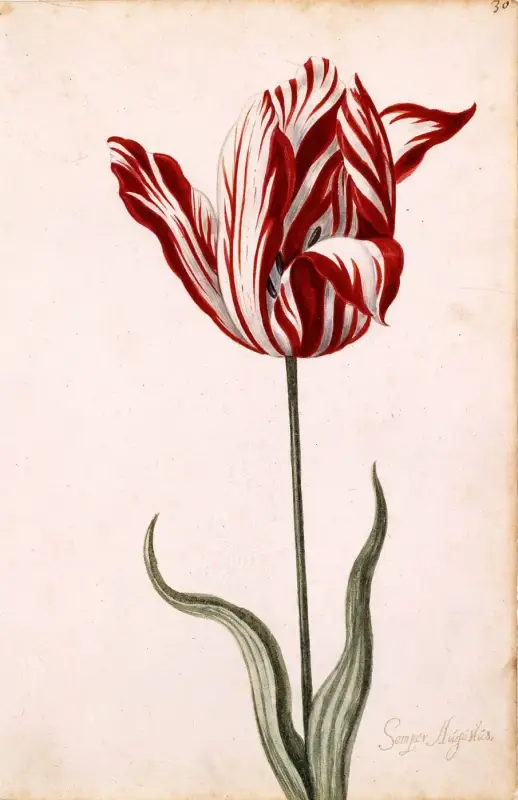
    Tulip mania: a price crash that hardly ruined anyone

    In 1637 the trade in tulip bulbs collapsed in the Netherlands. But the famous stories of ruined traders are mostly untrue.

    + Deep dive

    Illustration: Anonymous · Public domain

  • Nº 099 · History

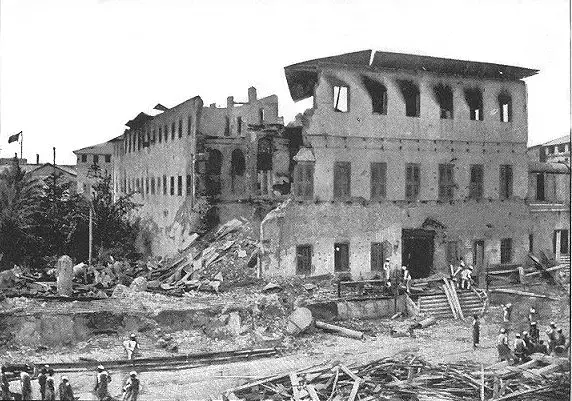
    The shortest war lasted less than an hour.

    In 1896 British ships shelled the Sultan's palace in Zanzibar. After 38 to 45 minutes the war was over.

    Photo: Richard Mohun · Public domain

  • Nº 097 · History · 1 min

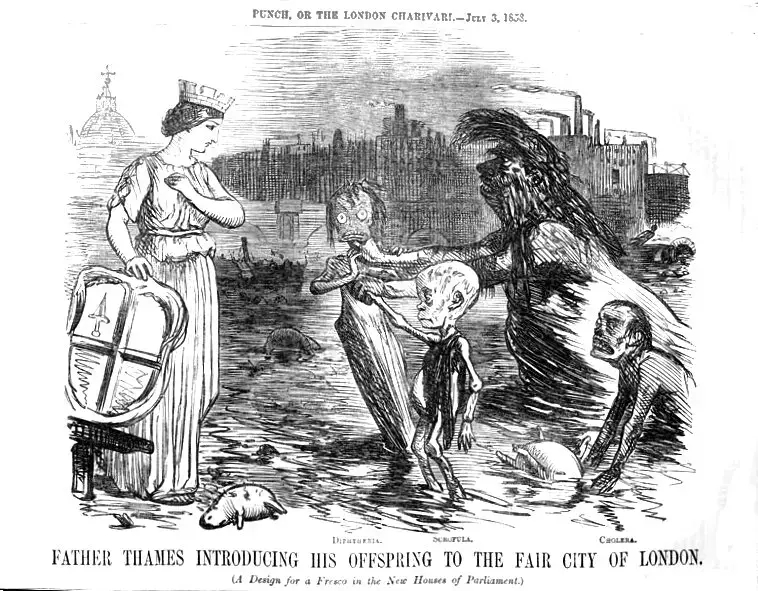
    The summer London stank so badly that Parliament acted

    In 1858 the Thames smelled so foul that curtains in Parliament were soaked in lime chloride. The stench gave London its modern sewer system.

    + Deep dive

    Illustration: John Leech · Public domain

  • Nº 091 · History

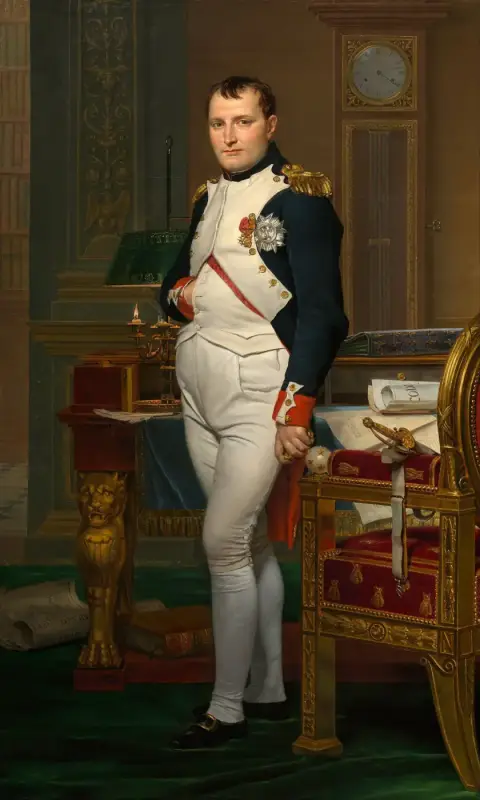
    Napoleon wasn't short at all.

    For a Frenchman around 1800 he was of average height. The myth of the tiny emperor was popularised by a British cartoonist.

    Illustration: Jacques-Louis David · Public domain

  • Nº 089 · History · 50 sec

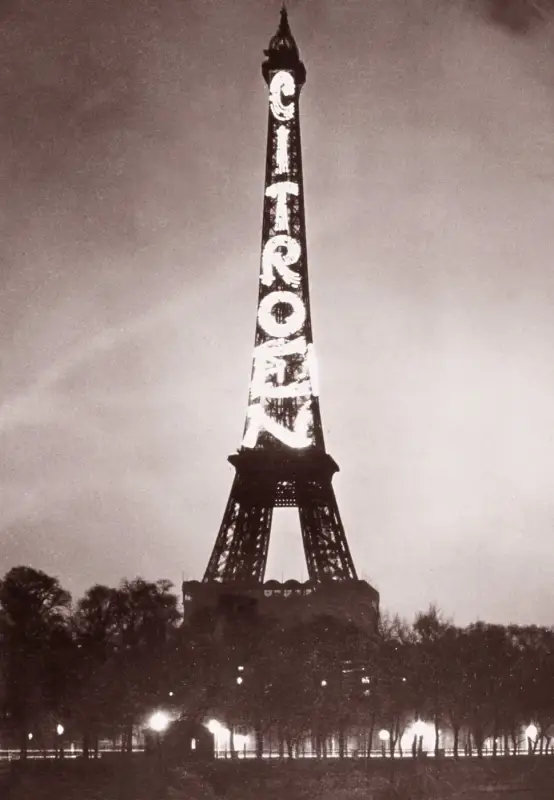
    The man who sold the Eiffel Tower

    In 1925 a con man offered the Eiffel Tower to Paris scrap dealers. One of them paid – and preferred to keep quiet afterwards.

    Photo: Unknown authorUnknown author · Public domain

  • Nº 085 · History · 55 sec

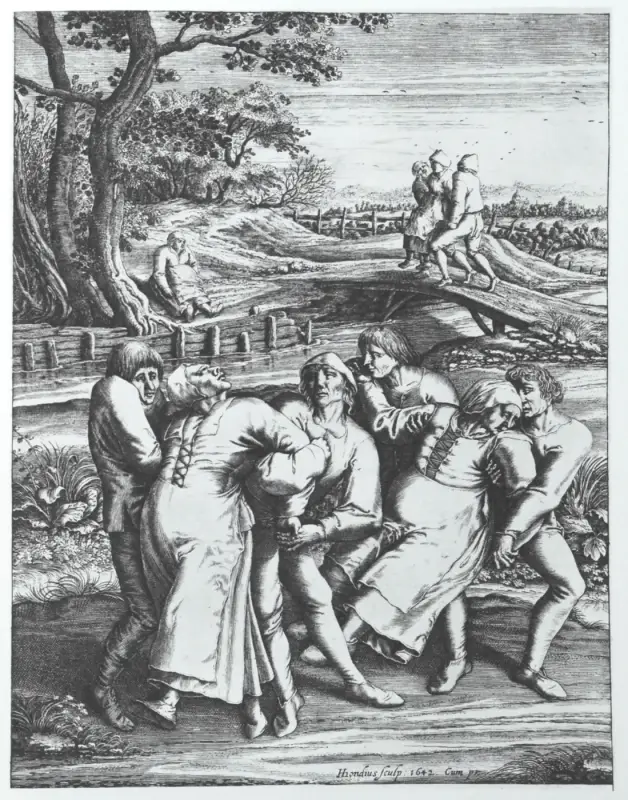
    In 1518 Strasbourg danced for weeks – and nobody knows why

    First one woman danced in the street, then dozens. The city even paid musicians – before it banned dancing altogether.

    Illustration: Hendrik Hondius, Pieter Bruegel · Public domain

  • Nº 084 · History · 45 sec

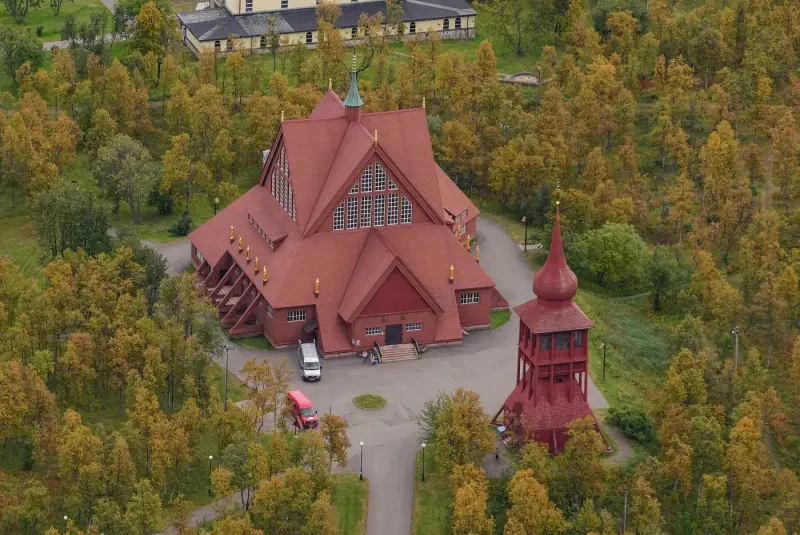
    A town is moving because the mine beneath it is growing

    Kiruna in northern Sweden stands on ground beneath which iron ore is mined. So the town is moving – church and all.

    Photo: Arild Vågen · CC BY-SA 4.0

  • Nº 076 · History · 50 sec

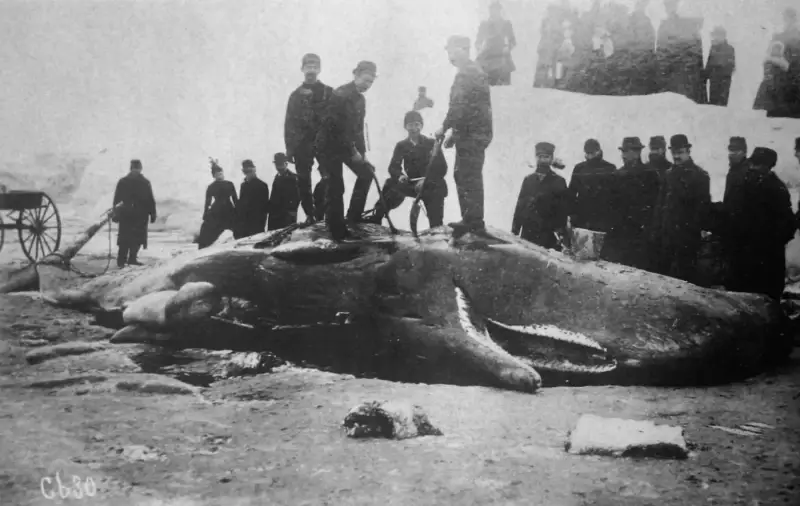
    When Oregon blew up a dead whale with dynamite

    In 1970 half a ton of explosives was meant to turn a beached sperm whale into bite-sized pieces for seagulls. It went differently.

    Photo: Archival Photographer Stefan Claesson · Public domain

  • Nº 075 · History · 55 sec

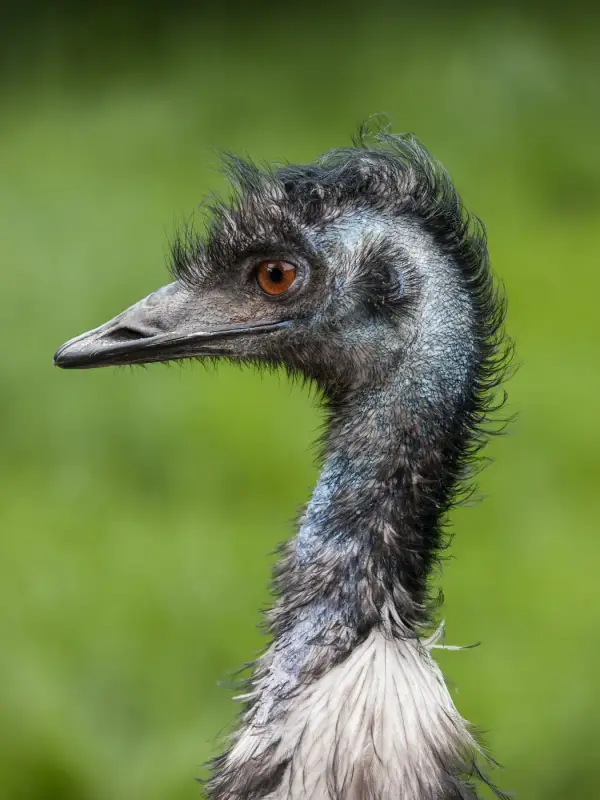
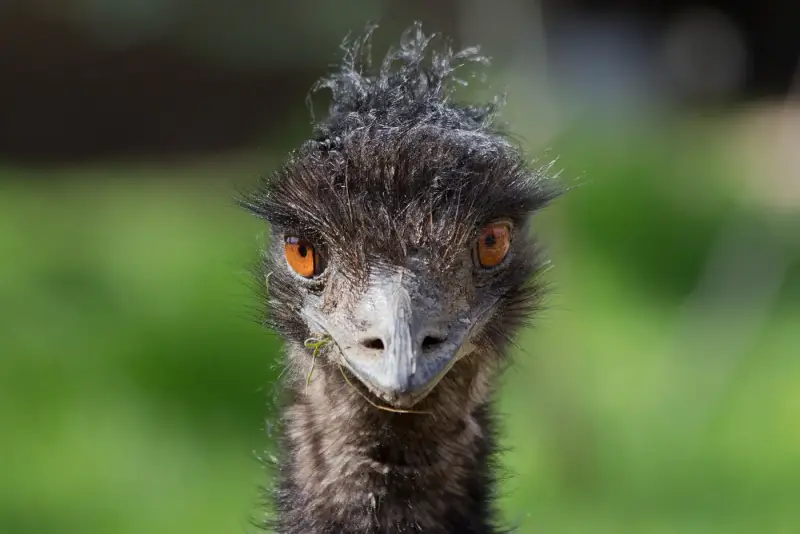
    When Australia's army lost to emus

    In 1932 soldiers with machine guns went out against emus raiding wheat fields. The birds proved hard to kill.

    Photo: William Warby · CC BY 2.0

  • Nº 058 · History · 50 sec

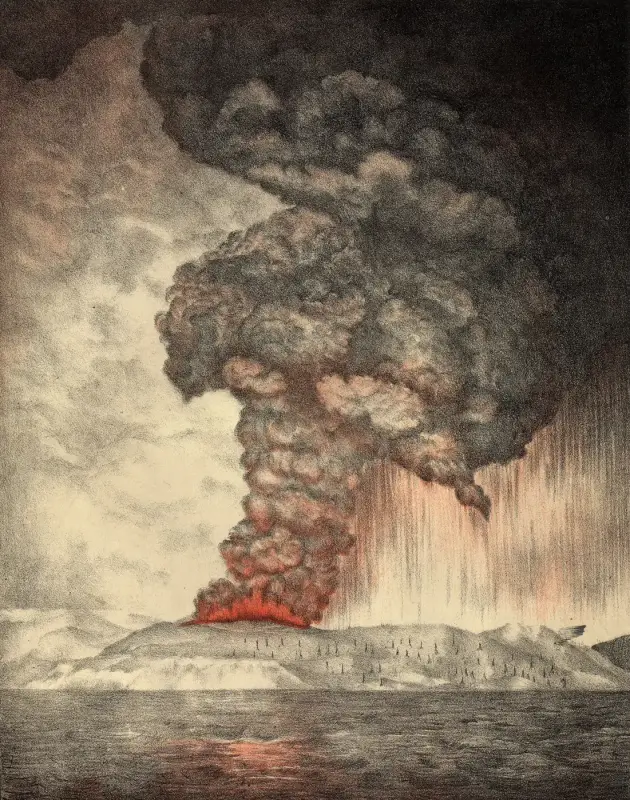
    Krakatoa's blast could still be heard 4,800 kilometers away

    On an island in the Indian Ocean in 1883, people took it for cannon fire. Barometers around the world recorded the pressure wave for days.

    Illustration: Lithograph: Parker & Coward, Britain; · Public domain

  • Nº 057 · History · 50 sec

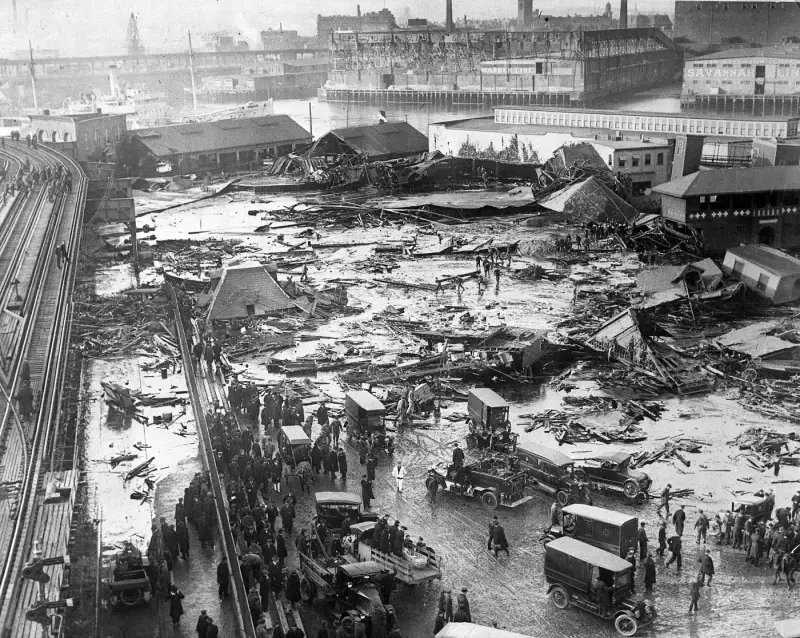
    How could a wave of molasses kill 21 people?

    Boston, January 1919: a tank holding 8,700 cubic meters of molasses bursts. What happens next doesn't fit the image of sluggish syrup.

    Photo: BPL · Public domain

  • Nº 056 · History · 50 sec

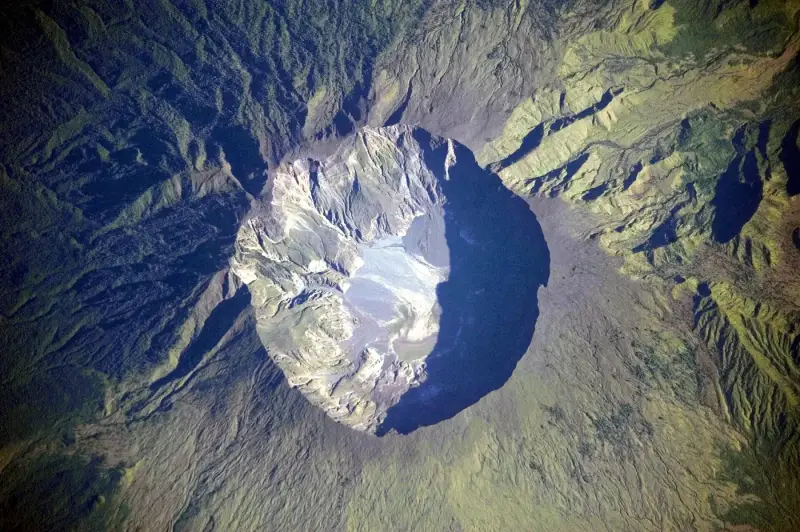
    What does a volcanic eruption have to do with Frankenstein?

    In 1815, Tambora explodes in Indonesia. A year later, an 18-year-old is stuck in endless rain on Lake Geneva – and invents a monster.

    Photo: This image was taken by the NASA Expedition 20 crew. · Public domain

  • ✦ New research Nº 051 · History · 55 sec

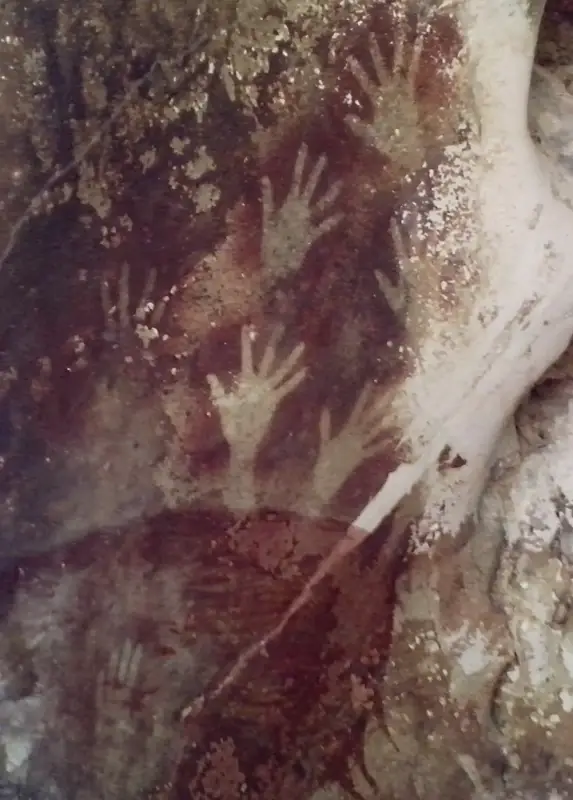
    The oldest dated cave art is a hand – at least 67,800 years old

    A faded patch of paint on an island off Sulawesi beats the previous record. It was dated with a clock that ticks inside crusts of calcite.

    Photo: Cahyo · CC BY-SA 4.0

  • Nº 032 · History

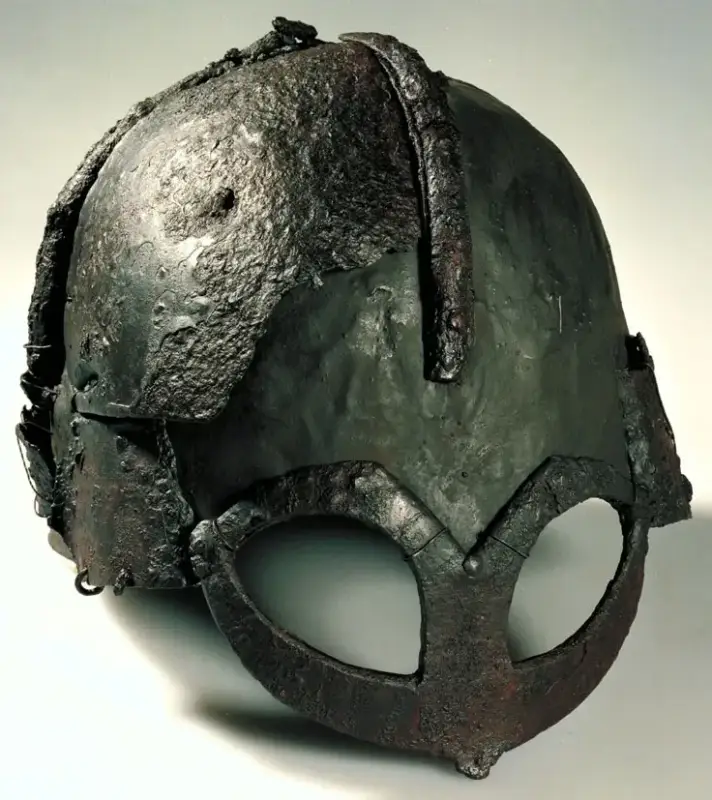
    Vikings didn't wear horned helmets.

    The horned image became popular through Wagner's operas in the 19th century. Real Viking helmets are extremely rare.

    Photo: NTNU Vitenskapsmuseet · CC BY 2.0

  • Nº 025 · History

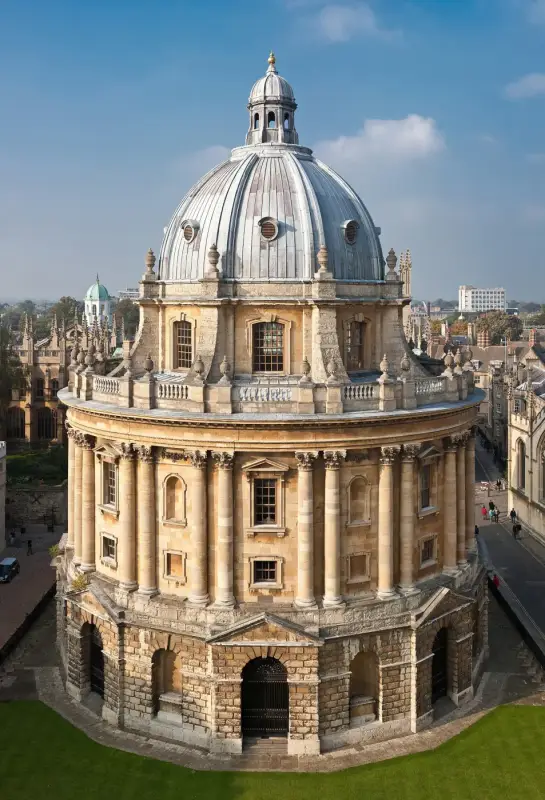
    Oxford is older than the Aztec Empire.

    Teaching took place in Oxford around 1096; the Aztec Empire only arose in 1428.

    Photo: Diliff · CC BY 2.5

  • Nº 022 · History

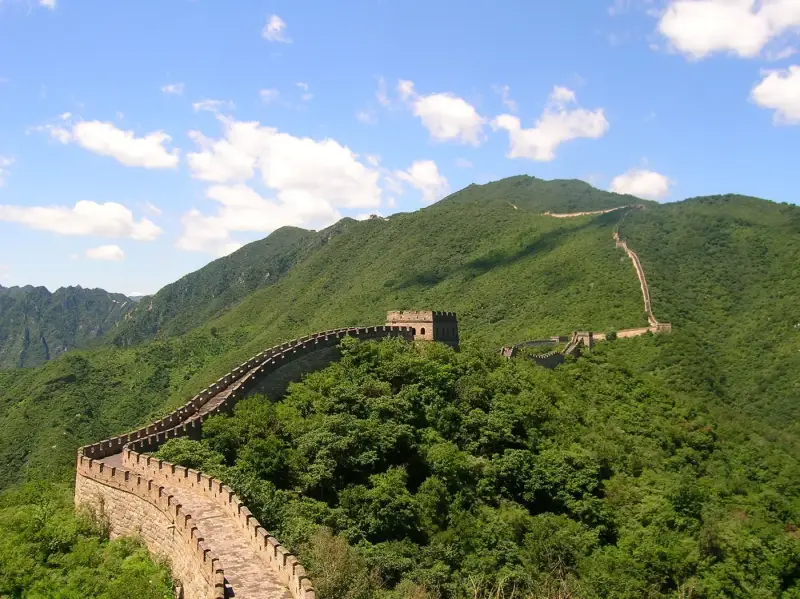
    The Great Wall is invisible from the Moon.

    At that distance it is too narrow to see – like a human hair viewed from three kilometres away.

    Photo: Velatrix · CC0

  • Nº 019 · History

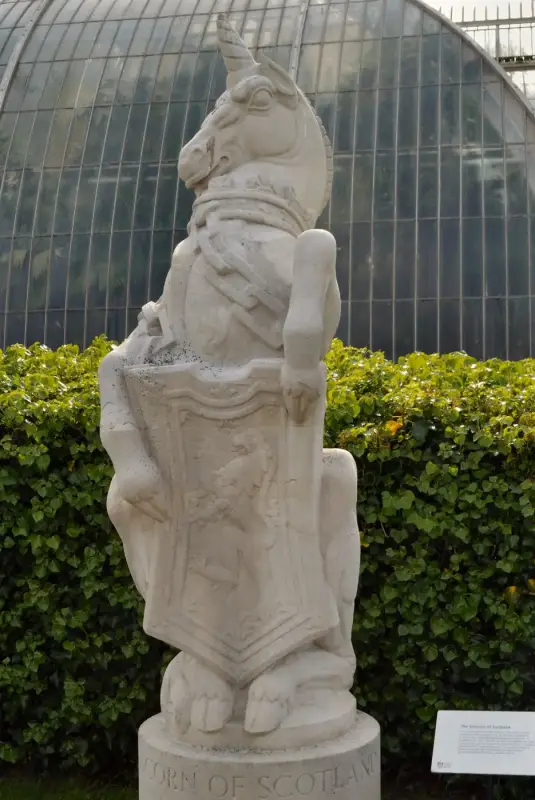
    Scotland's national animal: a unicorn.

    On the British coat of arms, the unicorn represents Scotland and the lion represents England.

    Photo: AndyScott · CC BY-SA 4.0

  • Nº 018 · History · 40 sec

    Cleopatra lived closer to the Moon landing than to the building of the pyramid

    To us it's all "ancient Egypt". To Cleopatra, the Great Pyramid was already ancient.

    Photo: Gary Todd from Xinzheng, China · CC0