Discoveries

Every discovery, with its sources.

Short explanations from nature, space, physics and history. New ones are in the app first and arrive here a week later.

  • Nº 066 · Nature · 50 sec

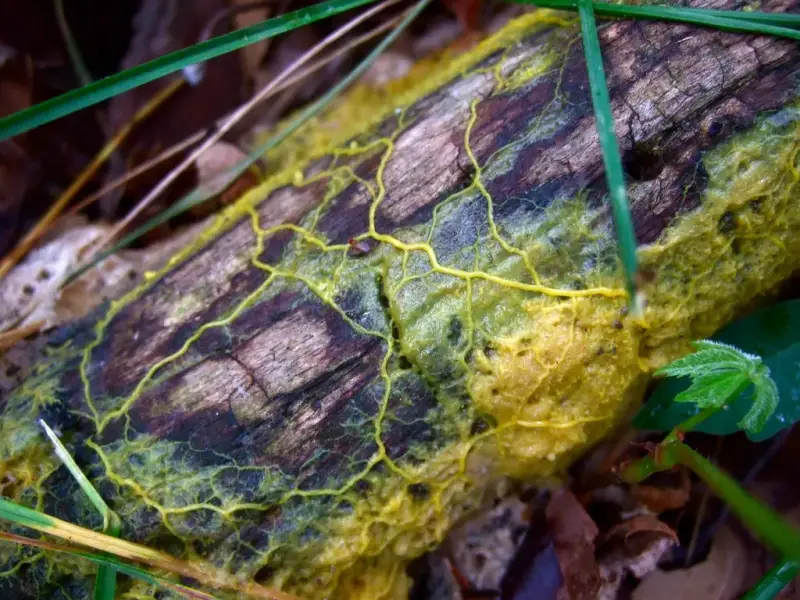
    A brainless slime mould designed a network like Tokyo's railways

    Oat flakes were laid out like the cities around Tokyo. After about a day, a yellow single cell had linked them – much like the real rail network.

  • Nº 065 · Nature

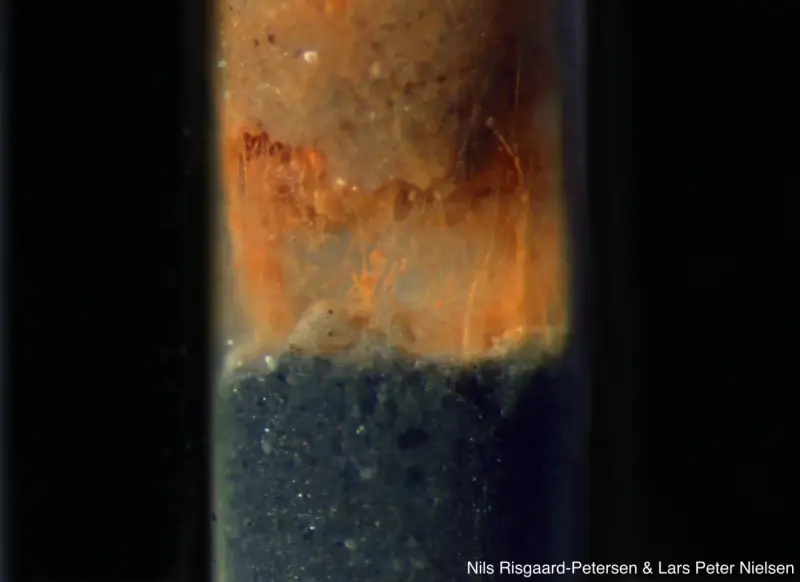
    Bacteria conduct electricity in the seafloor.

    Cable bacteria transport electrons through long threads. Conducting fibres inside contain nickel proteins.

  • Nº 059 · Nature

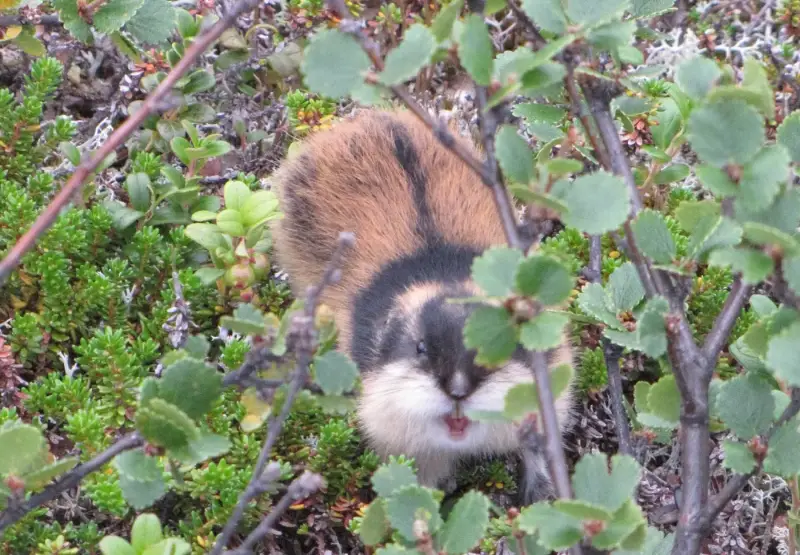
    The lemming plunge in the film was staged.

    For Disney's 1958 film, animals were pushed off a cliff. The mass-suicide myth is false.

  • ✦ New research Nº 052 · Nature

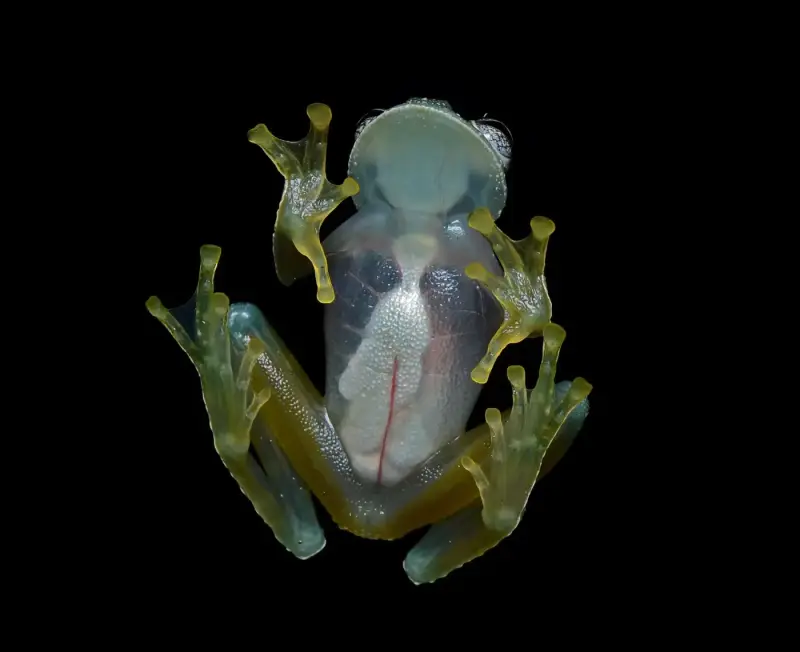
    Glass frogs hide their red blood cells.

    At rest they store almost 90 percent of their red blood cells in their liver, becoming more transparent.

  • ✦ New research Nº 050 · Nature

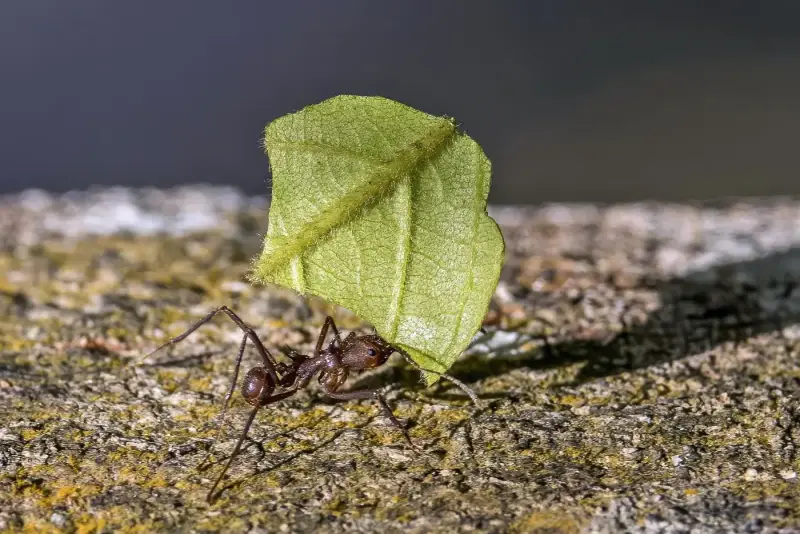
    Ants have farmed fungi for millions of years.

    They started about 66 million years ago. Dated family trees of fungi and ants reveal when it began.

  • ✦ New research Nº 047 · Nature

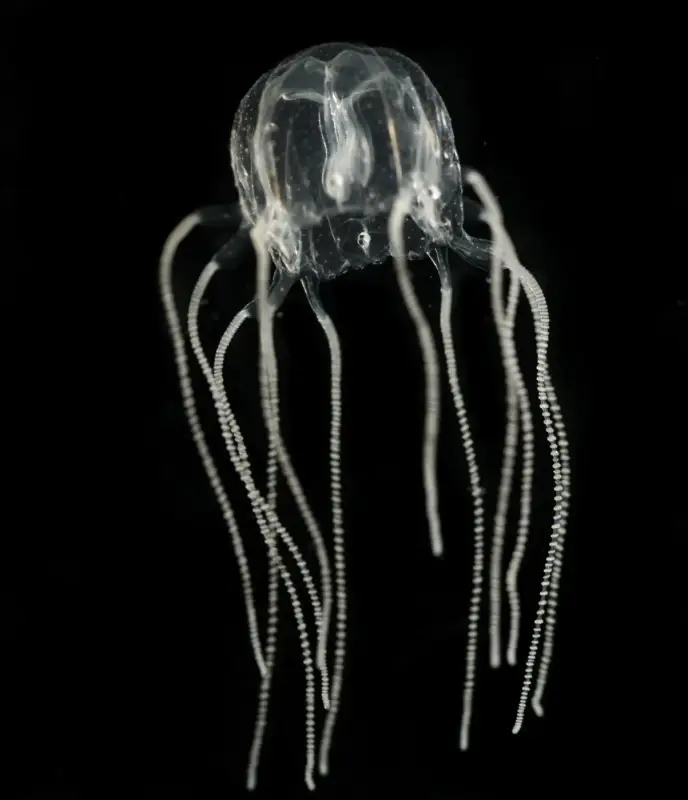
    Jellyfish learn without a central brain.

    After a few collisions, they kept further away from obstacles. Learning happens in their sensory clubs.

  • ✦ New research Nº 046 · Nature

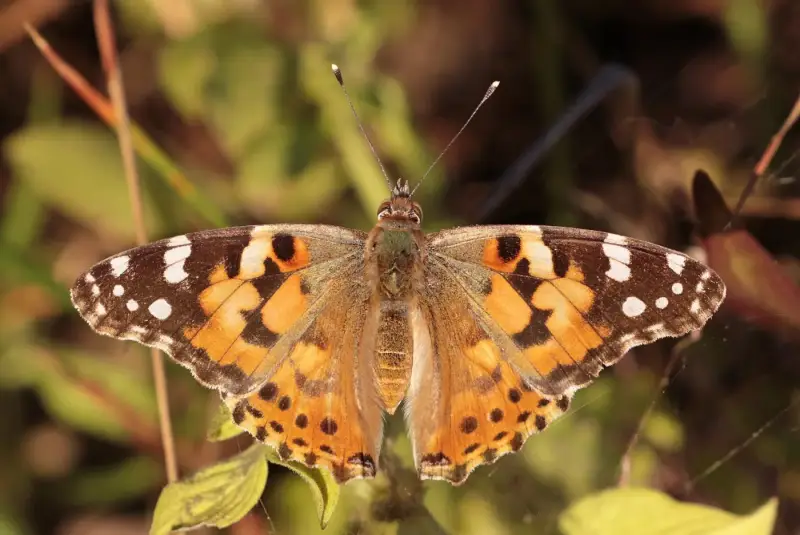
    Painted ladies can cross the Atlantic.

    Researchers found them in French Guiana carrying pollen from the Sahel. Trade winds carried them across the ocean.

  • ✦ New research Nº 045 · Nature

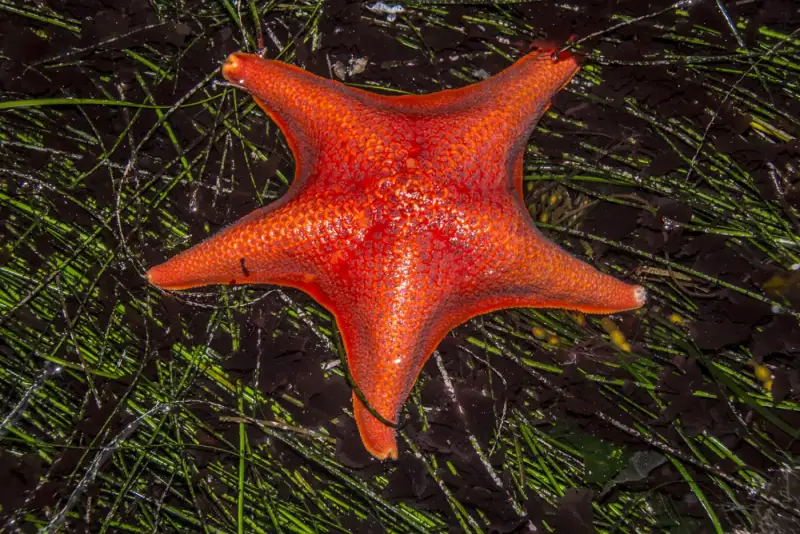
    Genetically, a starfish is almost all head.

    Head genes are active almost everywhere, trunk genes hardly. Researchers mapped them in starfish arms.

  • ✦ New research Nº 044 · Nature · 50 sec
    Bogong moths find their way by the stars

    They fly up to 1,000 kilometres to caves they have never seen. A flight simulator with an artificial night sky shows what guides them.

  • ✦ New research Nº 043 · Nature

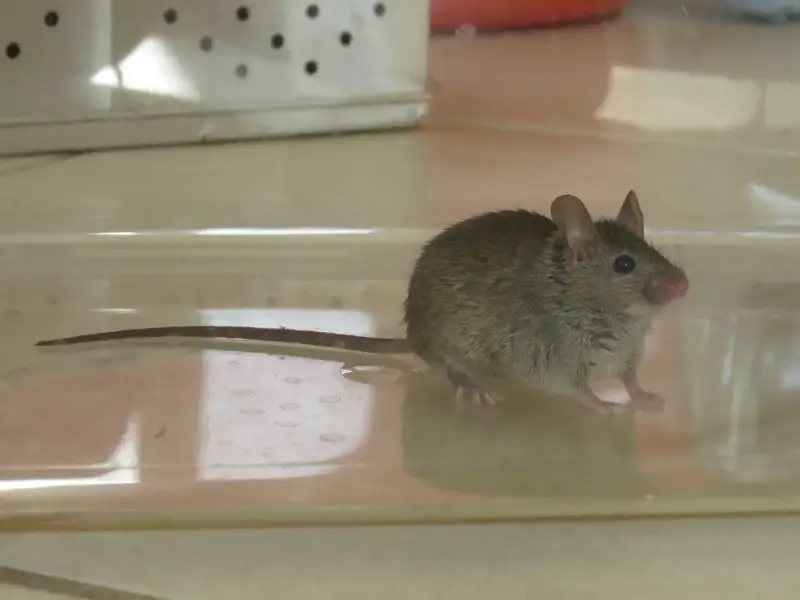
    Mice pull the tongues of unconscious partners.

    In an experiment, mice groomed familiar cagemates and removed objects from their mouths. The unconscious mice woke sooner.

  • ✦ New research Nº 042 · Nature

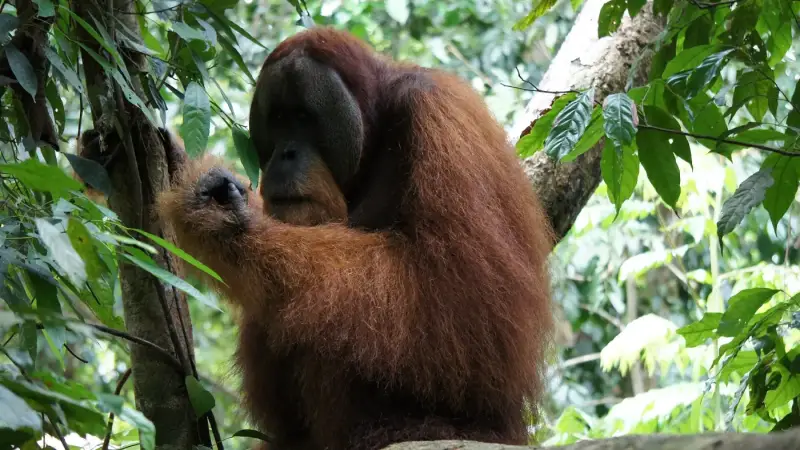
    An orangutan treats his wound.

    Rakus chewed leaves, dabbed their juice onto a facial wound and covered it with the pulp.

  • ✦ New research Nº 041 · Nature · 50 sec

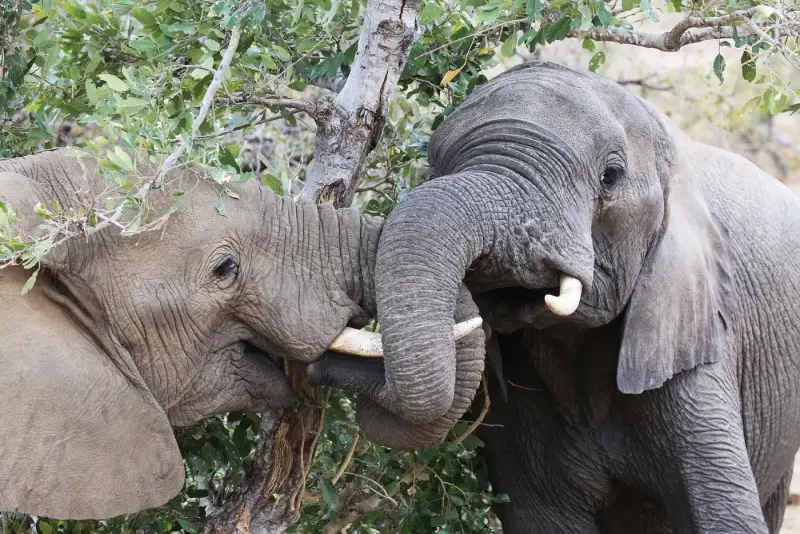
    Do elephants call each other by name?

    Researchers had software analyse elephant calls – then played the animals what seemed to be their own names.

    + Deep dive

  • Nº 039 · Nature · 50 sec

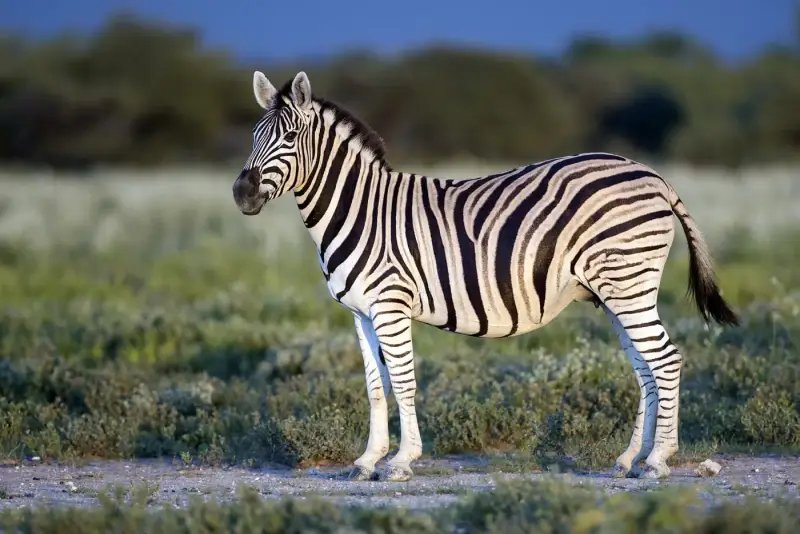
    Why does the zebra have stripes?

    Camouflage? Cooling? An experiment with striped horse blankets gives a surprising answer.

  • Nº 031 · Nature

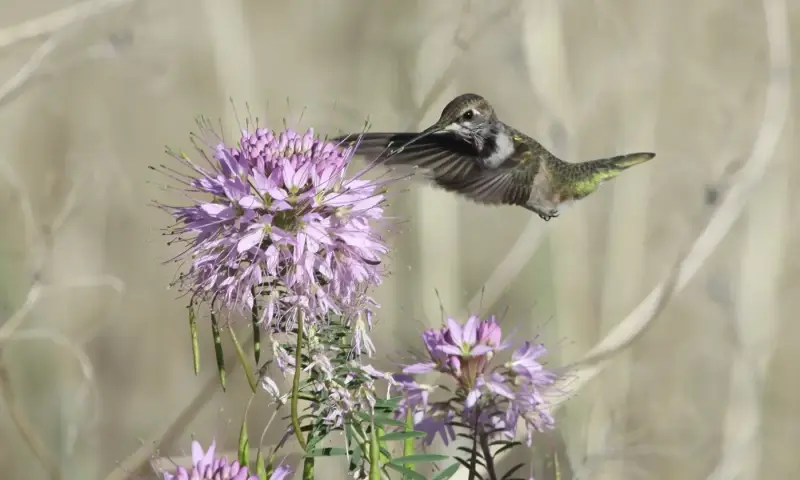
    Hummingbirds can fly backwards.

    Their wings allow flight in any direction – including backwards and hovering on the spot.

  • Nº 030 · Nature

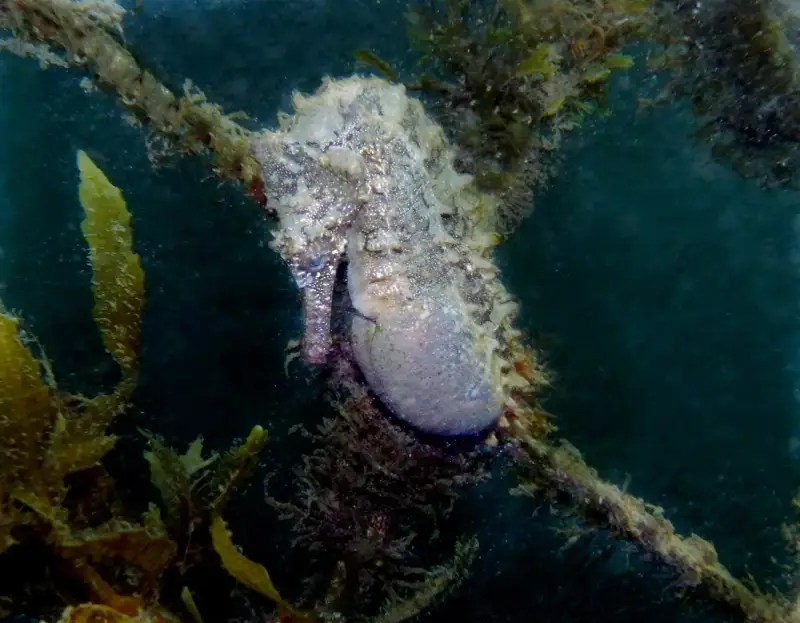
    Male seahorses get pregnant.

    The female deposits eggs in his brood pouch. Later, the male releases fully developed young.

  • Nº 029 · Nature

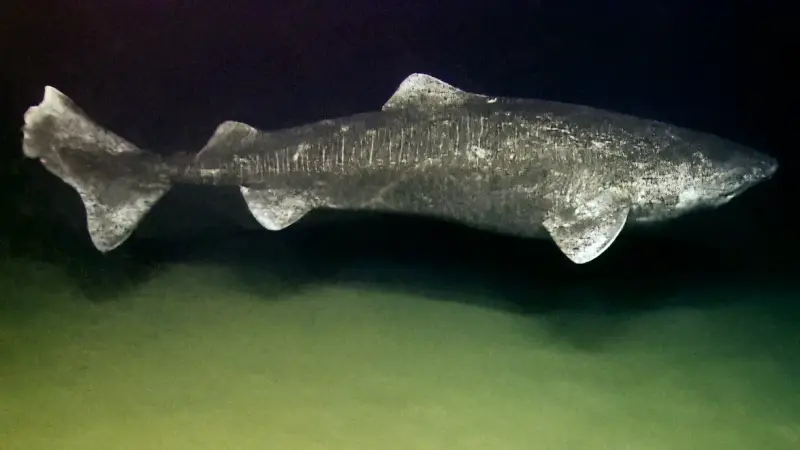
    Greenland sharks can live for over 270 years.

    They are the longest-lived vertebrates known. Their age is determined from the lenses of their eyes.

  • Nº 028 · Nature

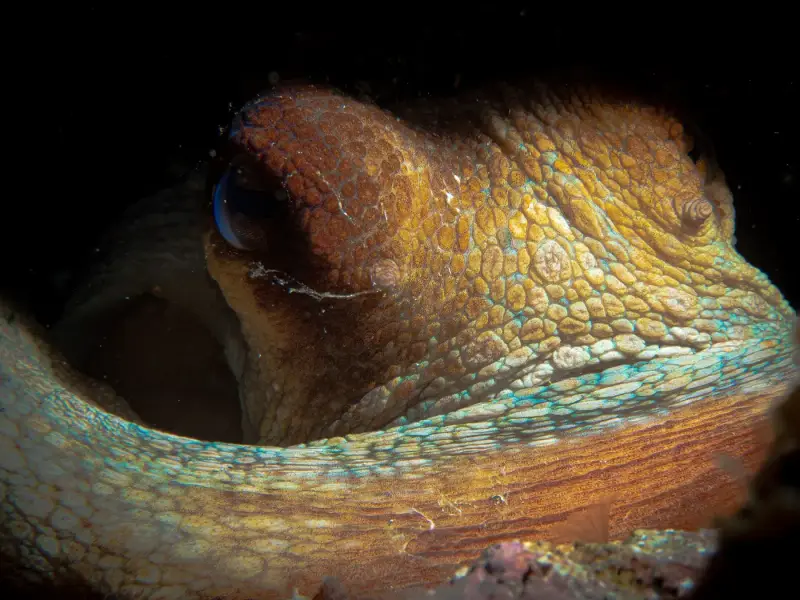
    Octopuses have nerve cells in their arms.

    Two-thirds of their nerve cells are in their arms. In total, an octopus has over 500 million.

  • Nº 024 · Nature

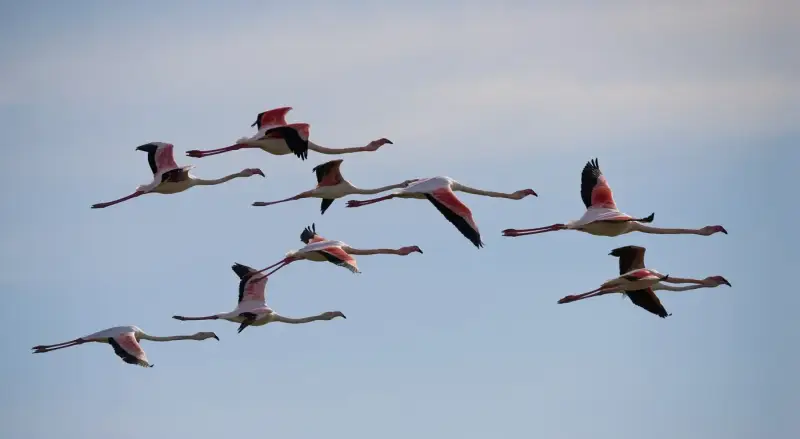
    Flamingos eat their way to pink.

    Their colour comes from their food. Young flamingos hatch greyish and turn pink later.

  • Nº 023 · Nature

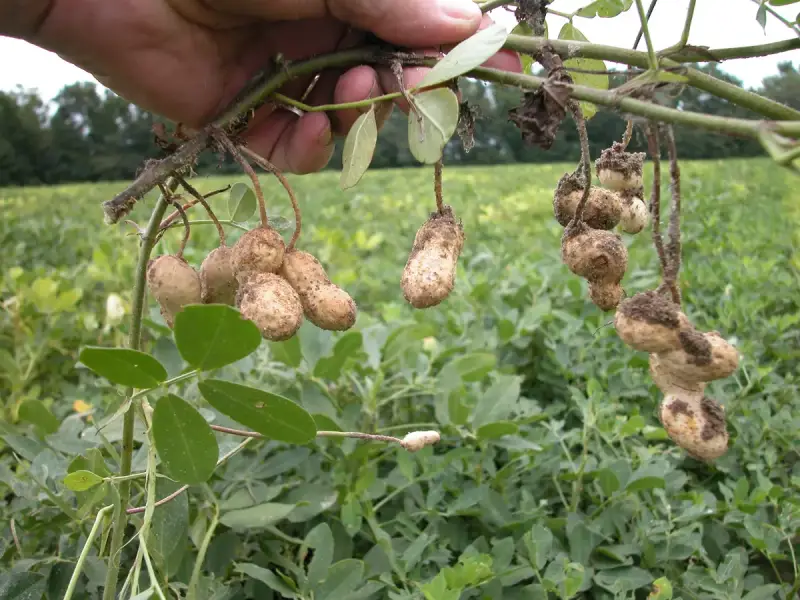
    Peanuts aren't nuts.

    Botanically they are legumes, related to peas and beans. Their pods ripen underground.

  • Nº 021 · Nature

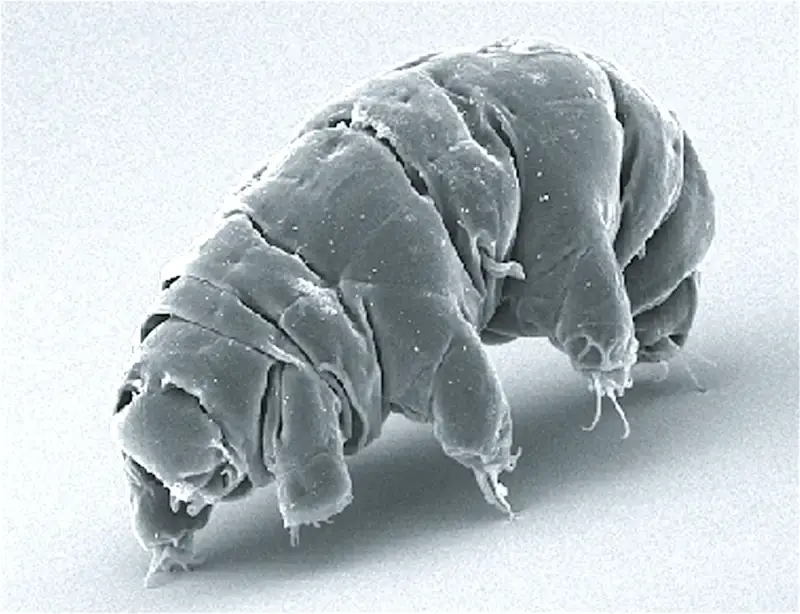
    Tardigrades survived the vacuum of space.

    Ten days without air: back on Earth, water was enough to revive the tiny animals.

  • Nº 020 · Nature

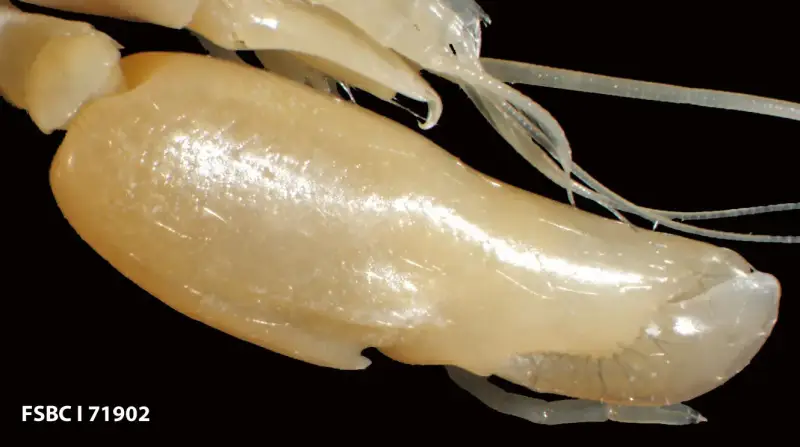
    A shrimp makes light with its claw.

    Its claw creates a bubble that collapses with a bang and a brief flash of light.

  • Nº 010 · Nature · 45 sec

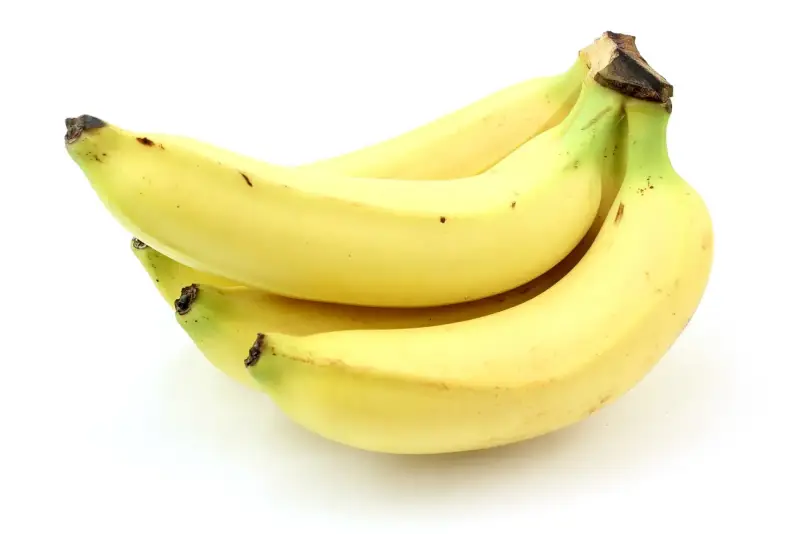
    Why is a banana a berry but a strawberry isn't?

    In botany, the name doesn't count – how the fruit forms from the flower does.

  • Nº 009 · Nature · 50 sec

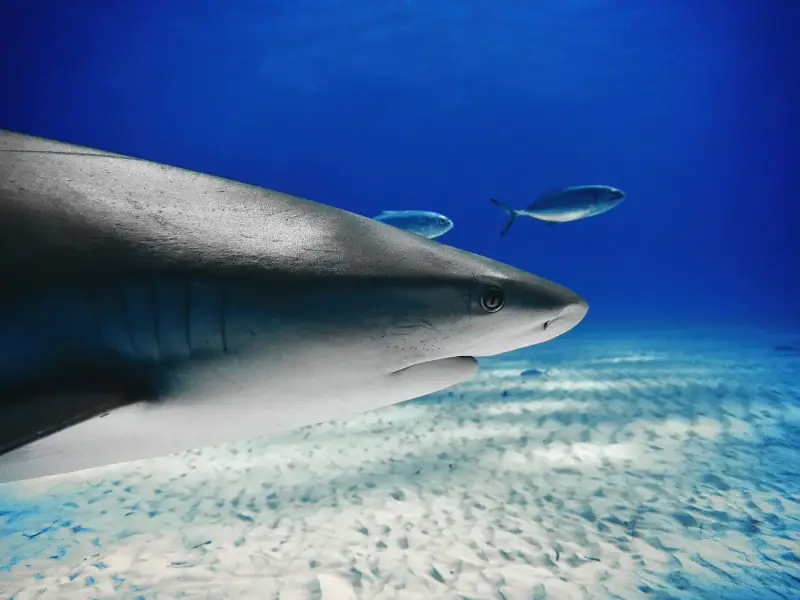
    Were there sharks before trees?

    Their ancestors, yes. Today's sharks, on the other hand, are younger than the first forests.

  • Nº 008 · Nature · 55 sec

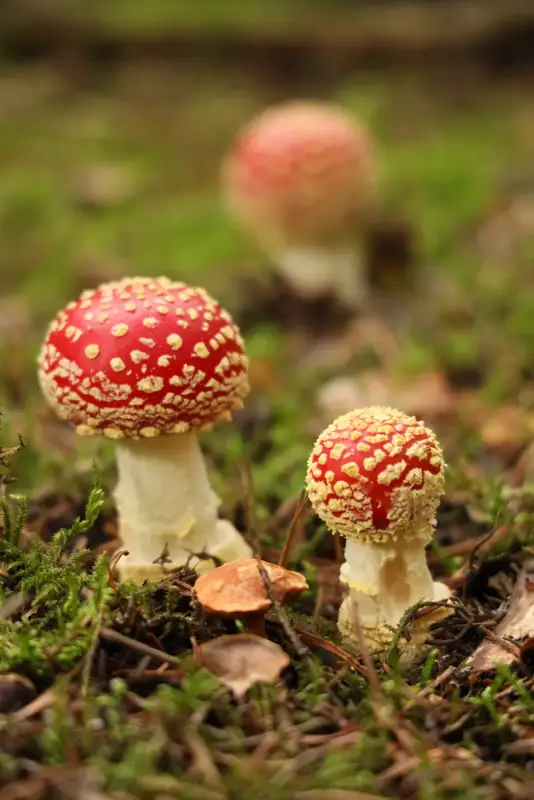
    Why is a mushroom more closely related to you than to a plant?

    It sits in the forest floor and doesn't move. Yet it belongs on our side of the family tree.

  • Nº 007 · Nature · 45 sec

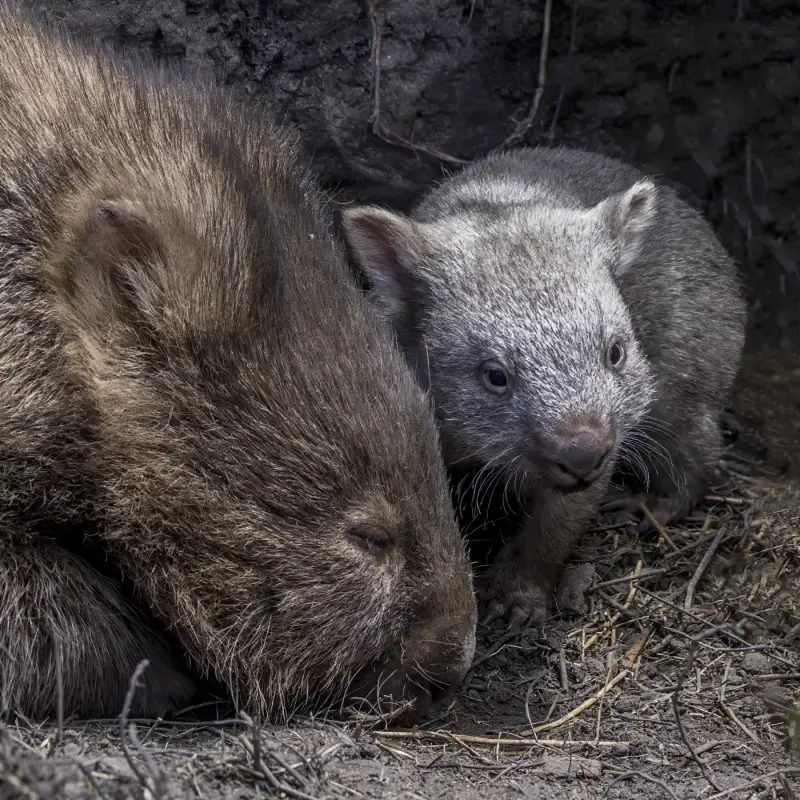
    Why does the wombat make cube-shaped poop?

    A round gut shapes cubes. Researchers only recently worked out how.

  • Nº 006 · Nature · 50 sec

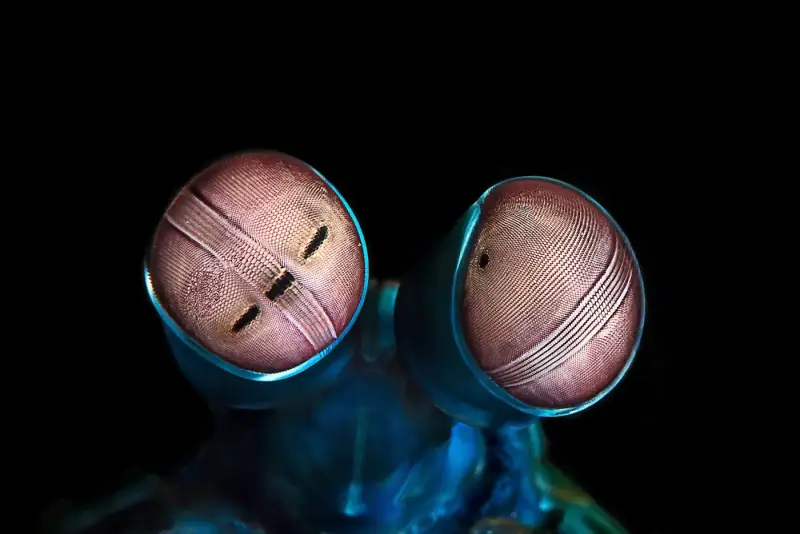
    12 color receptors – and still bad at seeing colors?

    It has one of the most complex eyes in the animal kingdom. And tells colors apart worse than we do.

  • Nº 005 · Nature · 45 sec

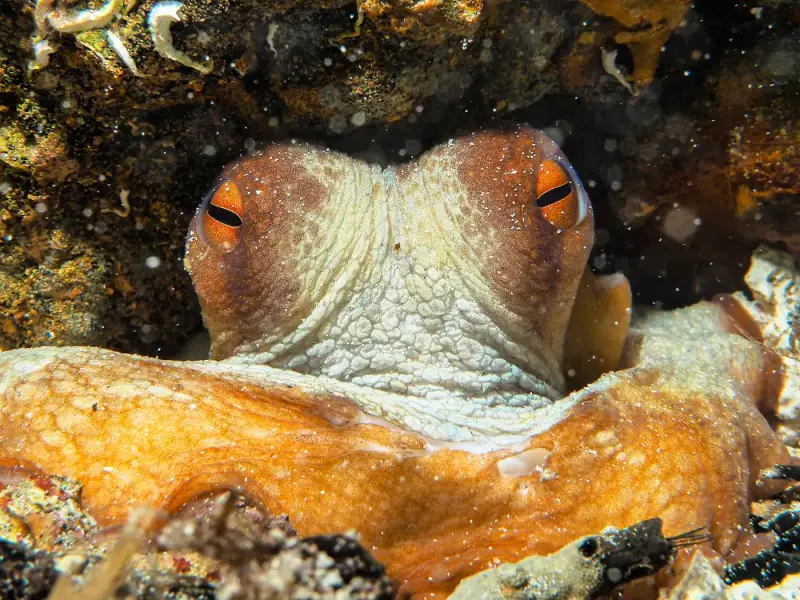
    One animal. Three hearts.

    Two pump blood through the gills, one through the body – and that one takes a break when it swims.

New in the app

This week, only in the app.

  • Here from October 13

    Nº 084 · History

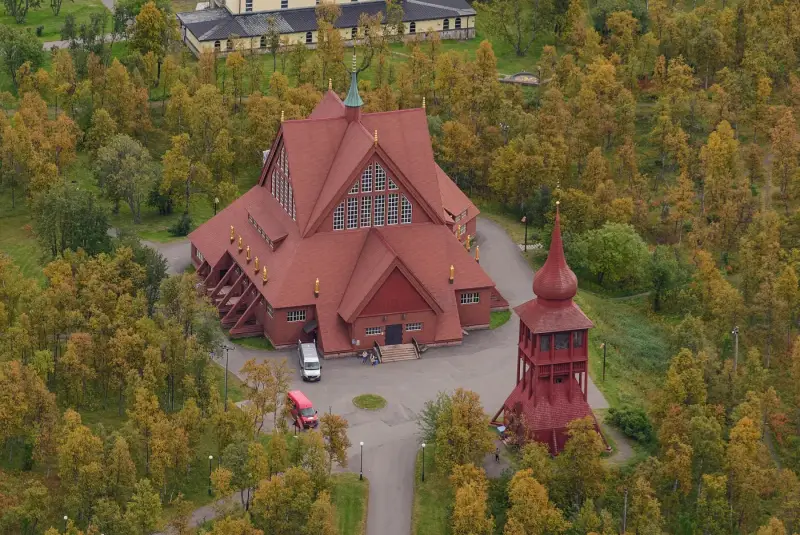
    A town is moving because the mine beneath it is growing

    Kiruna in northern Sweden stands on ground beneath which iron ore is mined. So the town is moving – church and all.

  • Here from October 13

    Nº 083 · Technology

    The internet lies on the seabed

    Almost all data between continents runs through cables barely thicker than a garden hose. And no, sharks aren't the problem.

  • Here from October 13

    ✦ New research Nº 082 · Nature

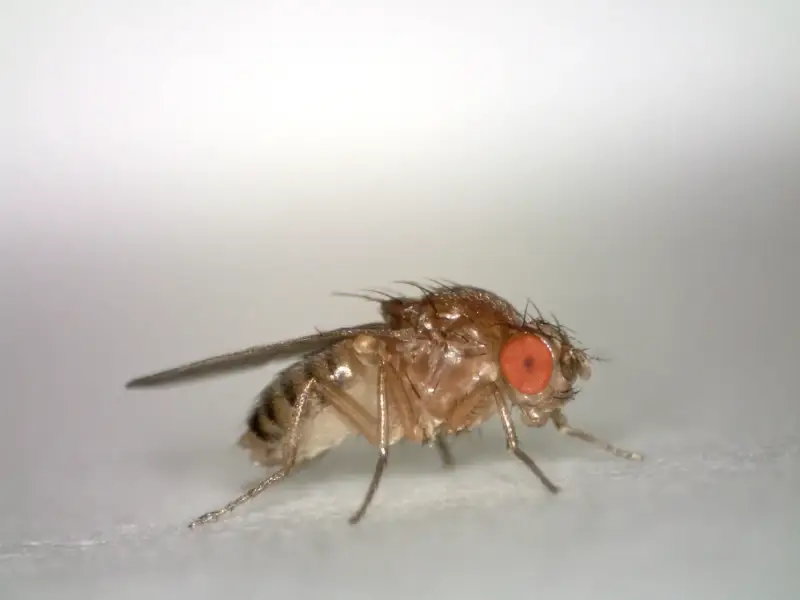
    The first complete wiring diagram of a fly brain

    A team has mapped every nerve cell and every connection in the brain of a fruit fly. For 139,255 cells it took years of manual work.

  • Here from October 13

    Nº 081 · Technology

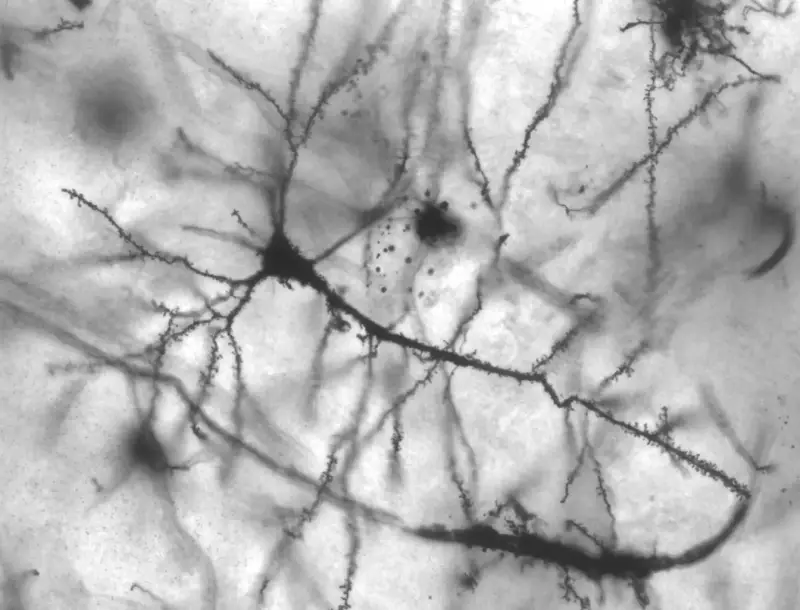
    What an artificial neuron actually computes

    It isn't a brain, just a small calculation: weight the inputs, add them up, send them through a curve. Try it.

  • Here from October 13

    Nº 080 · Technology

    AI would rather guess than say "I don't know".

    A 2025 study says tests reward guessing. Asked for one birthday, a model gave a different wrong date three times.

  • Here from October 13

    Nº 079 · Technology

    In 1966 a secretary wanted to be alone with a chatbot.

    ELIZA only mirrored sentences back. Even so, Joseph Weizenbaum's secretary asked him to leave the room.

  • Here from October 13

    Nº 078 · Technology

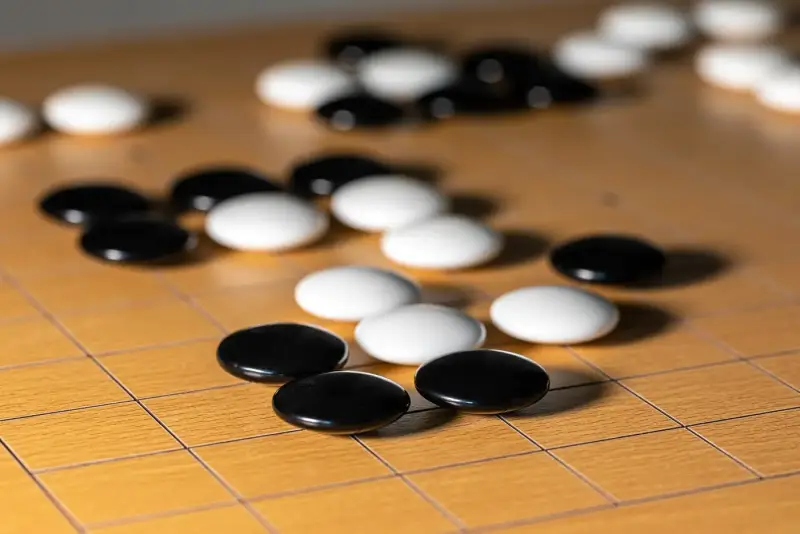
    Move 37: When an AI played a move hardly any human would have chosen

    In 2016 AlphaGo played one of the best Go players in the world. One move stunned the pros – and so did one by the human.

  • Here from October 13

    Nº 077 · Technology

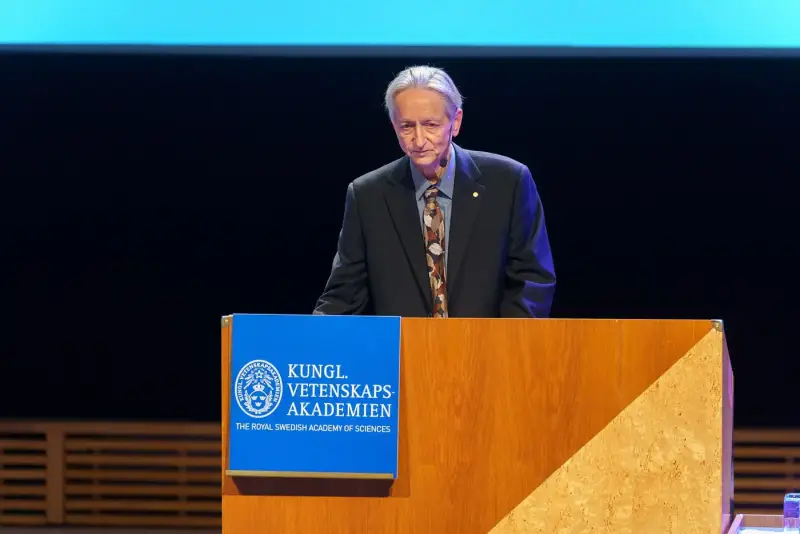
    In 2024 there were two Nobel Prizes for AI

    Physics for the foundations of neural networks, chemistry for an AI that folds proteins. Both have their roots in physics.

  • Here from October 13

    Nº 076 · History

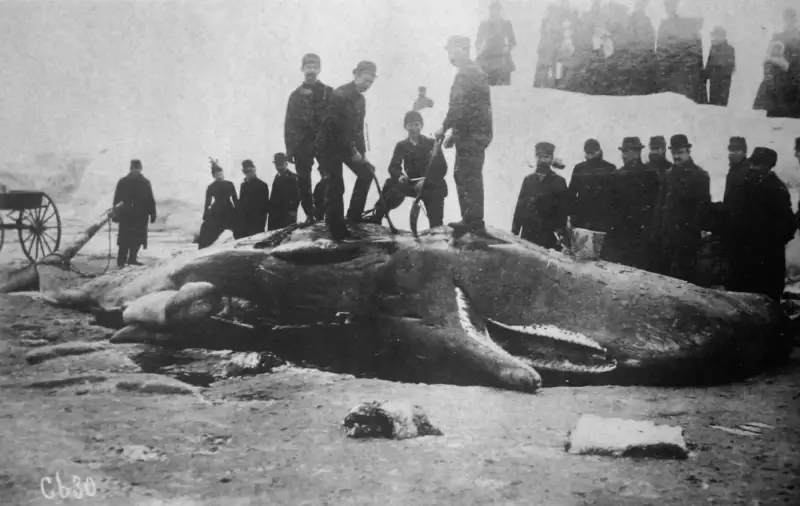
    When Oregon blew up a dead whale with dynamite

    In 1970 half a ton of explosives was meant to turn a beached sperm whale into bite-sized pieces for seagulls. It went differently.

  • Here from October 13

    Nº 075 · History

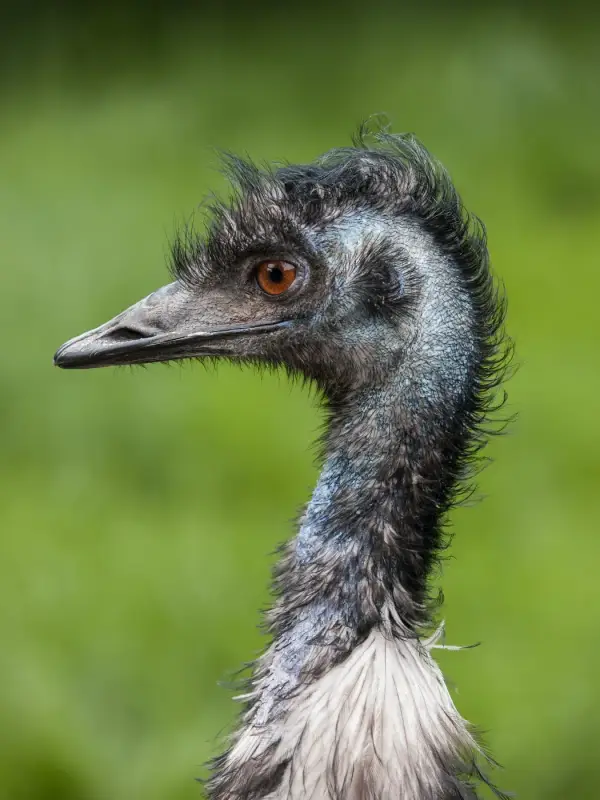
    When Australia's army lost to emus

    In 1932 soldiers with machine guns went out against emus raiding wheat fields. The birds proved hard to kill.

  • Here from October 13

    Nº 074 · Space

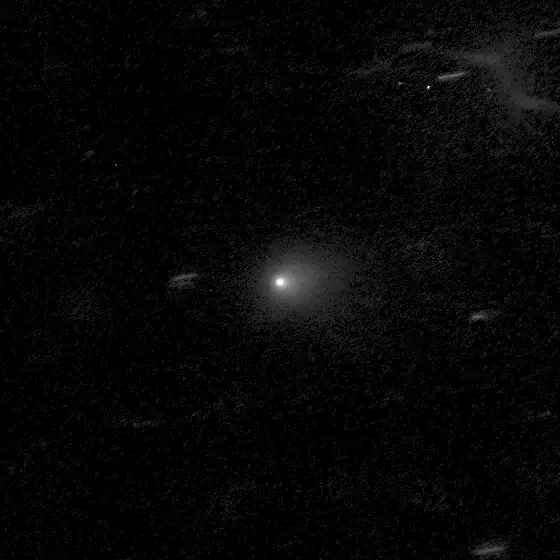
    A comet from outside our solar system.

    3I/ATLAS was discovered in July 2025 – only the third known visitor from another star system. It's just passing through.

  • Here from October 13

    Nº 073 · Technology

    A 13-year-old "beat" Tetris.

    In December 2023 Willis Gibson crashed the 1989 NES Tetris on level 157 – the first person ever to do it.

  • Here from October 13

    Nº 072 · Technology

    Many AI models stumble over the r's in "strawberry".

    Language models read text as numbers for whole word pieces. Counting letters that appear several times is hard for many of them.

  • Here from October 13

    Nº 071 · Technology

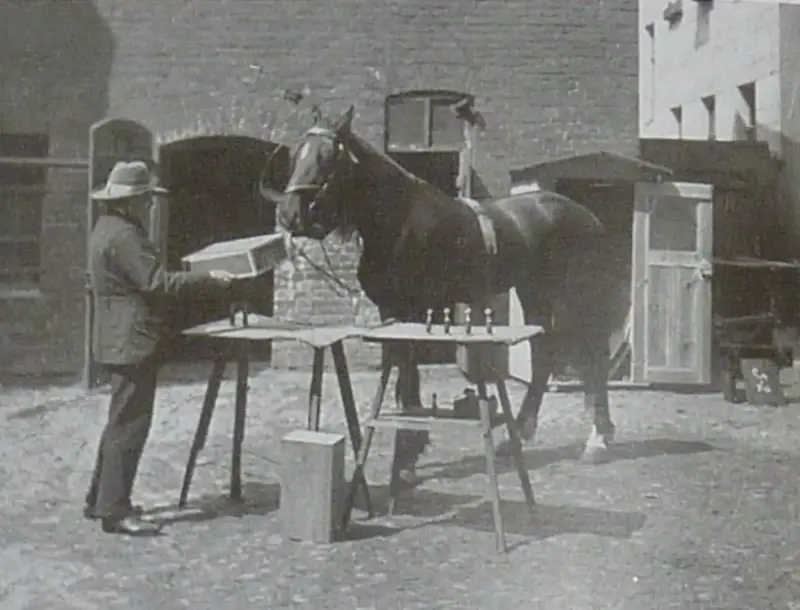
    What a counting horse reveals about AI

    Around 1900, Clever Hans tapped out sums with his hoof. Today researchers name a typical AI mistake after him.

  • Here from October 13

    Nº 070 · Technology

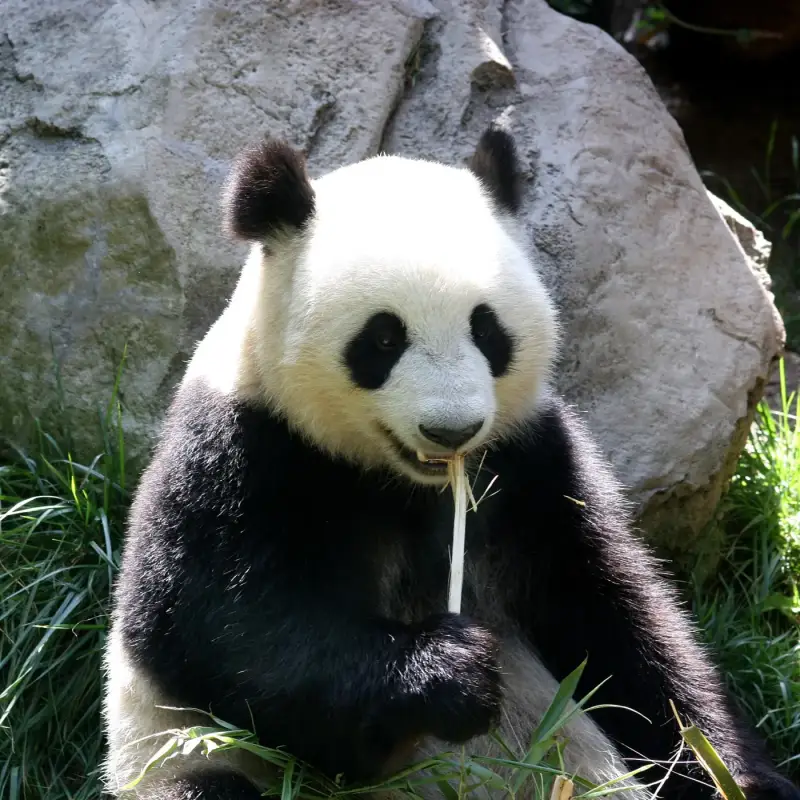
    Invisible noise turns a panda into a gibbon.

    Researchers laid a barely visible pattern over a photo of a panda. An image recognizer then saw a gibbon – 99.3 % sure.

  • Here from October 13

    Nº 069 · Technology

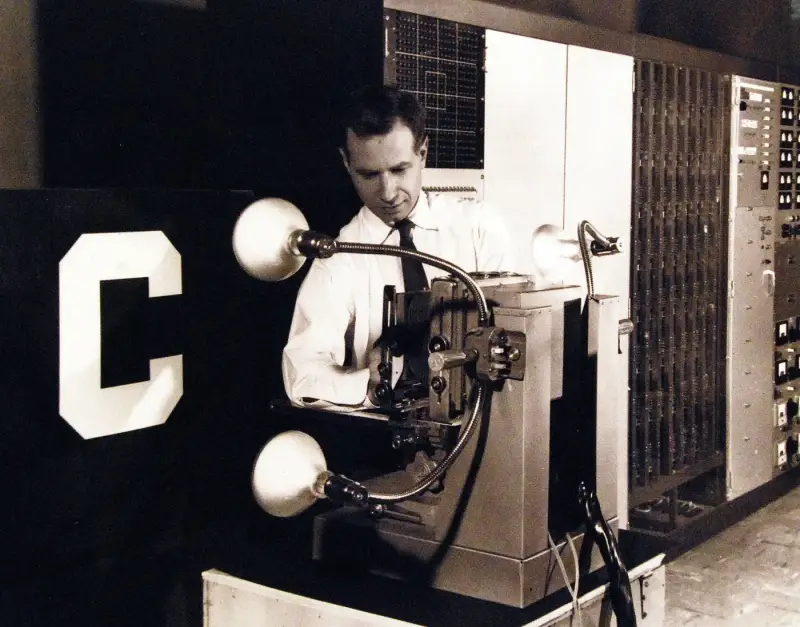
    The first learning computer was supposed to walk and talk

    In 1958 a machine learned to tell left from right after 50 tries. The New York Times saw a being with consciousness in it.