Discoveries

Every discovery, with its sources.

Short explanations from nature, space, physics and history. New ones are in the app first and arrive here a week later.

  • Nº 163 · Space

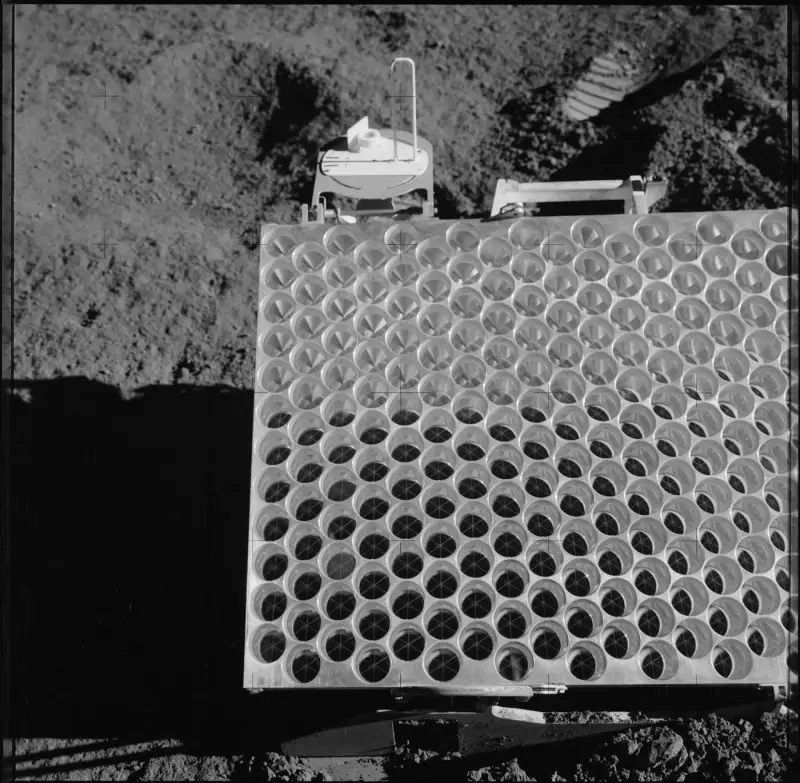
    The Moon moves 3.8 centimetres farther away every year.

    Laser pulses bounced back to Earth by mirrors on the Moon show this. The cause is the tides.

    Photo: Project Apollo Archive · Public domain

  • Nº 162 · Space

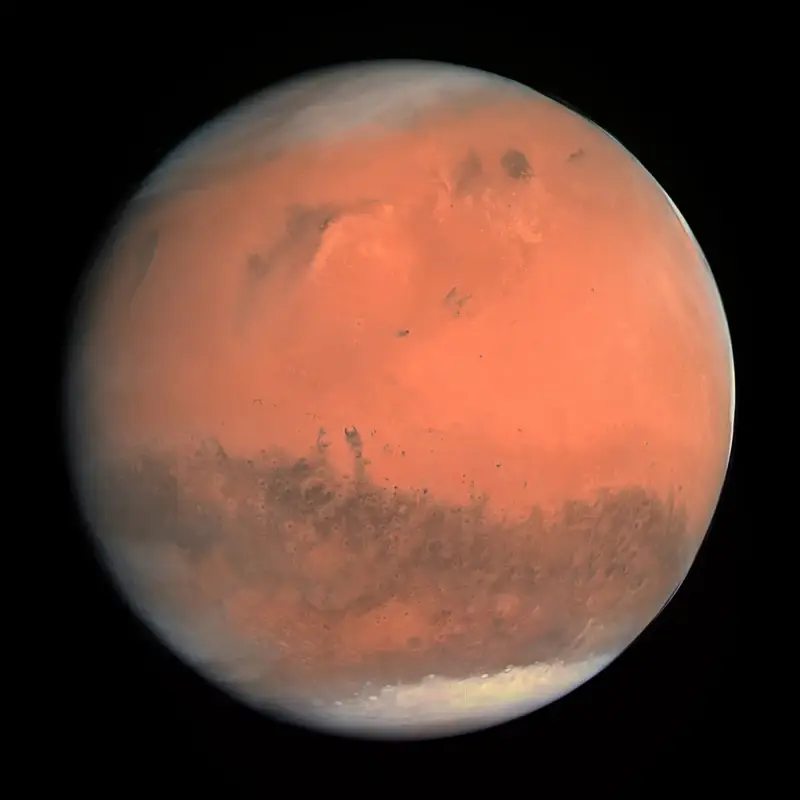
    Mars is red because iron in its dust has rusted.

    A 2025 study suggests the rust probably formed during a cold, wet early period of the planet.

    Photo: ESA & MPS for OSIRIS Team MPS/UPD/LAM/IAA/RSSD/INTA/UPM/DASP/IDA, CC BY-SA 3.0 IGO · CC BY-SA 3.0 igo

  • Nº 148 · Space

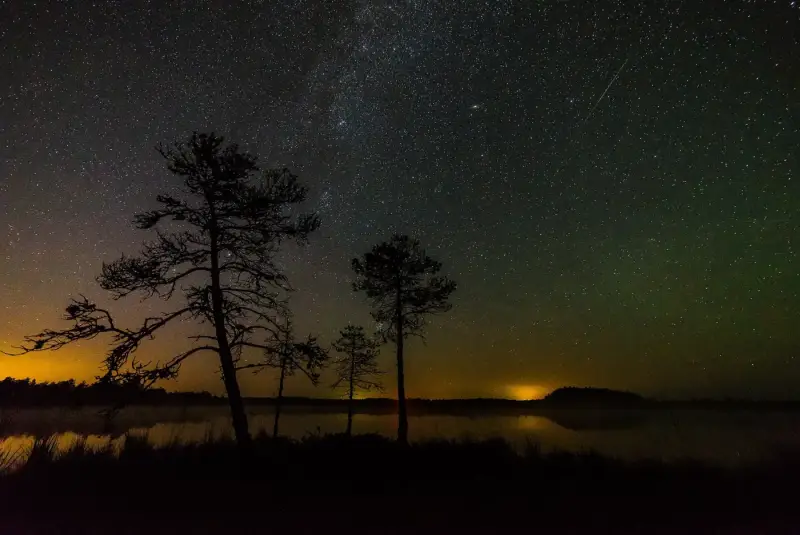
    Many shooting stars are barely bigger than a grain of sand.

    The particles mostly light up 80 to 120 kilometres above the ground – at 11 to 72 kilometres per second.

    Photo: Martin Mark · CC BY-SA 4.0

  • Nº 147 · Space

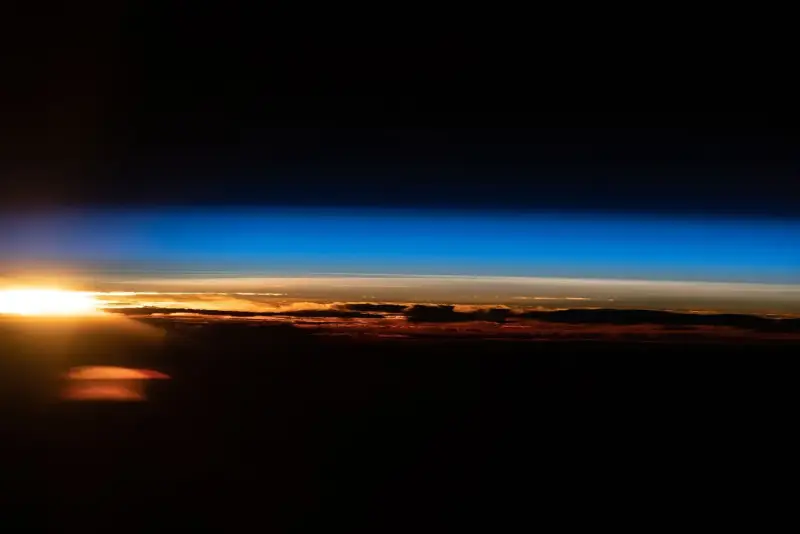
    The ISS crew sees around 16 sunrises a day.

    The space station circles Earth about every 90 minutes – at around 28,000 km/h.

    Photo: NASA · Public domain

  • ✦ New research Nº 133 · Space · 50 sec

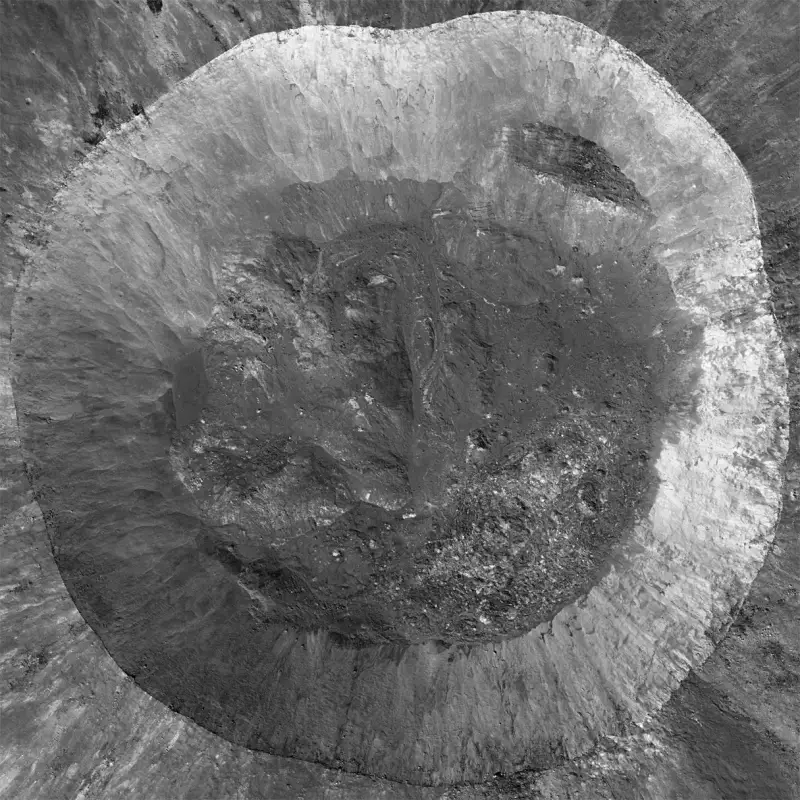
    Is Earth's companion Kamoʻoalewa a piece of the Moon?

    In 2021 its light resembled that of Moon rock. New measurements point more to an ordinary asteroid. Samples are meant to settle it.

    Image: LROC team · Public domain

  • Nº 132 · Space

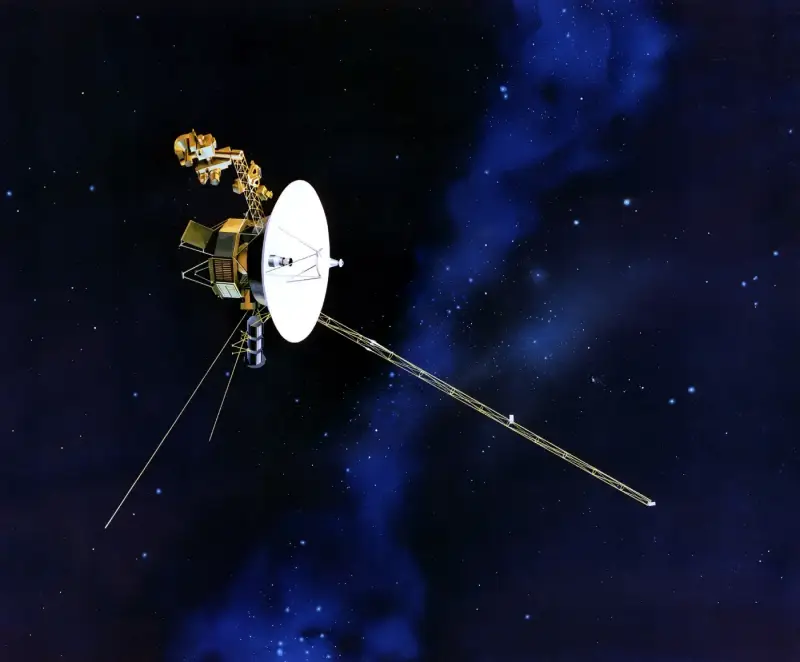
    Voyager 1 reaches one light-day from Earth.

    According to NASA, it happens on 18 November 2026: about 25.9 billion kilometres. A radio signal then takes 24 hours – each way.

    Illustration: NASA/JPL · Public domain

  • Nº 128 · Space

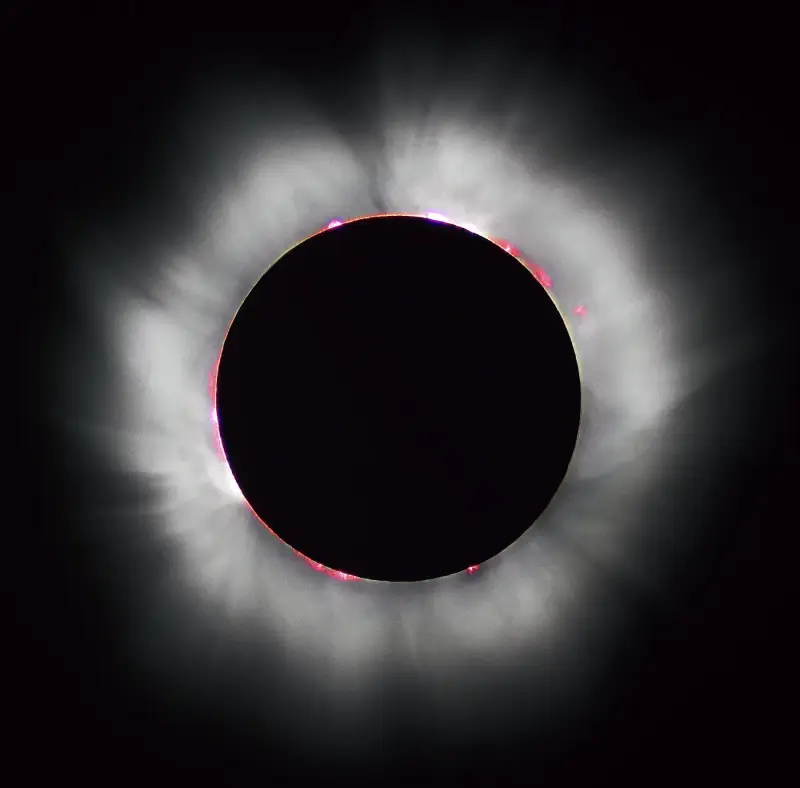
    It's a coincidence the Moon covers the Sun almost exactly.

    The Sun's diameter is about 400 times the Moon's – and it is about 400 times farther away. It won't stay that way forever.

    Photo: Luc Viatour · CC BY-SA 3.0

  • Nº 125 · Space · 40 sec

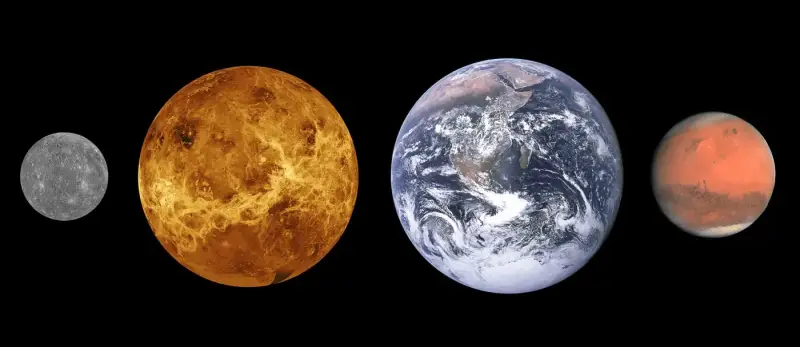
    How old would you be on Mars?

    A year is one trip around the Sun – and that takes a different time on every planet. Set your age.

    Photo: NASA, ESA · Public domain

  • Nº 111 · Space

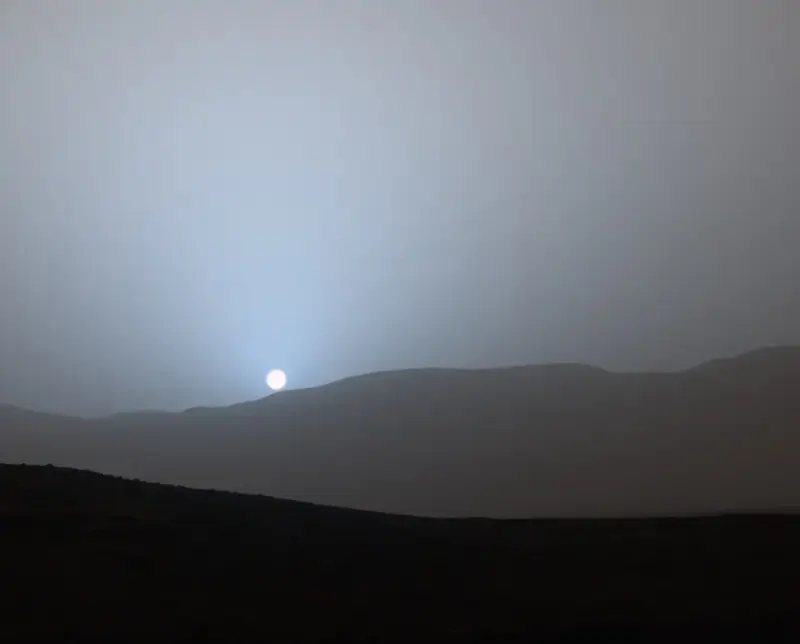
    On Mars, the sky around the setting sun glows blue.

    The Curiosity rover photographed one. Fine dust lets blue light through better – on Earth it's the other way round.

    Photo: NASA/JPL-Caltech/MSSS · Public domain

  • Nº 103 · Space

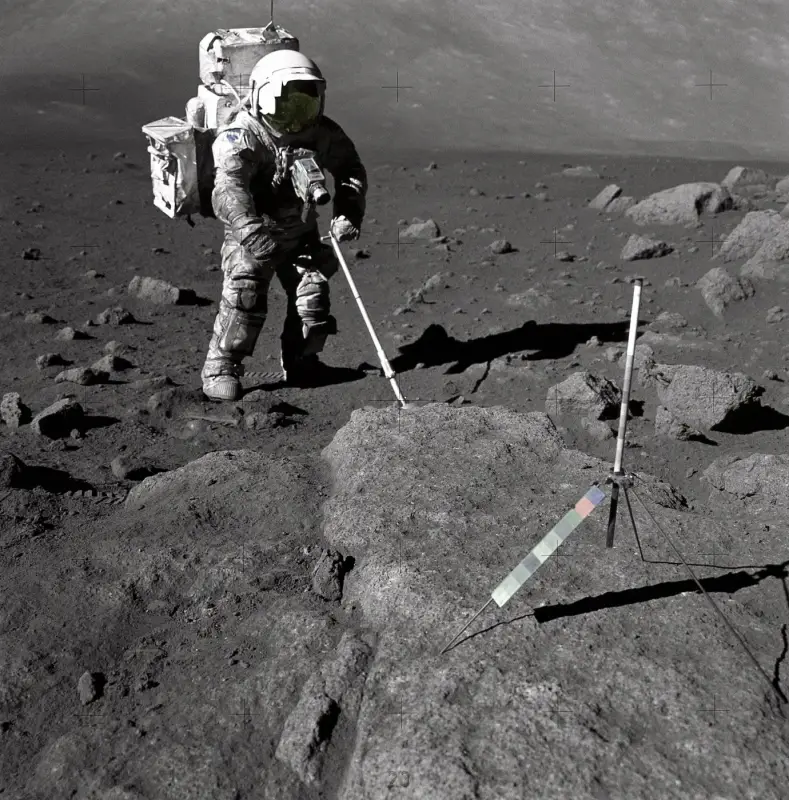
    To Apollo astronauts, moondust smelled like gunpowder.

    That's what Apollo astronauts reported after tracking the clingy dust into their lunar module.

    Photo: NASA Eugene Cernan · Public domain

  • Nº 088 · Space

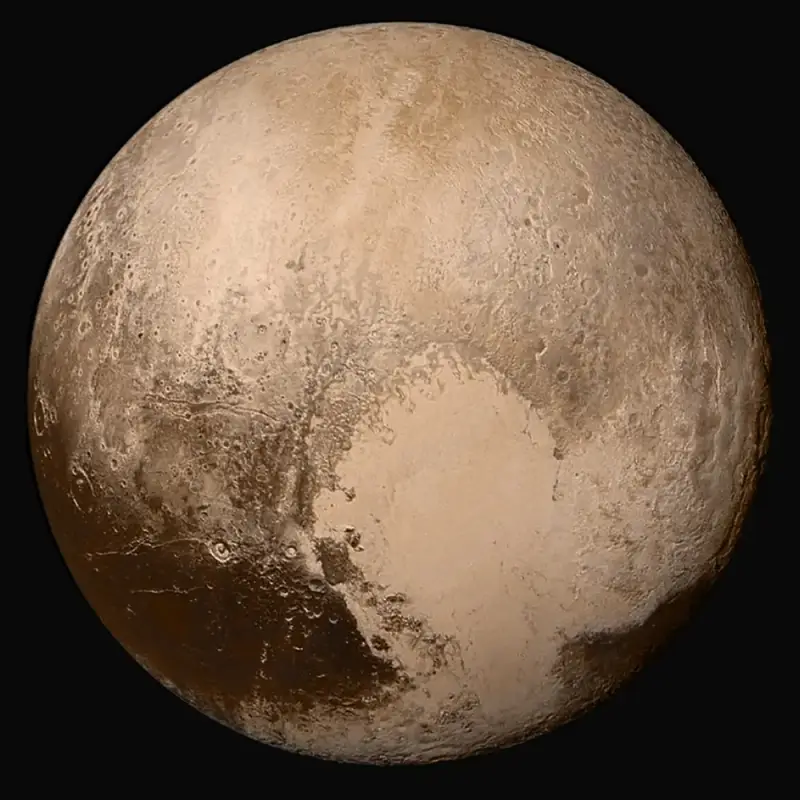
    Pluto hasn't finished one lap since it was discovered.

    It was found in 1930, and a Pluto year lasts about 248 Earth years. It completes its first full lap since then in 2178.

    Photo: NASA / Johns Hopkins University Applied Physics Laboratory / Southwest Research Institute · Public domain

  • Nº 074 · Space

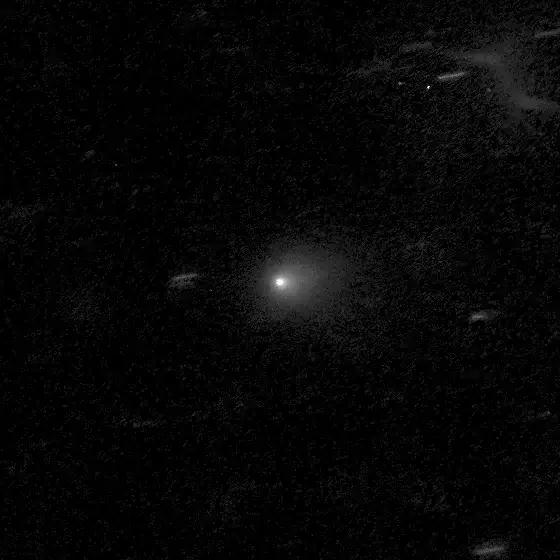
    A comet from outside our solar system.

    3I/ATLAS was discovered in July 2025 – only the third known visitor from another star system. It's just passing through.

    Image: Images taken by David Jewitt/NASA/ESA/Space Telescope Science Institute (STScI), processed by Nrco0e. · Public domain

  • Nº 054 · Space

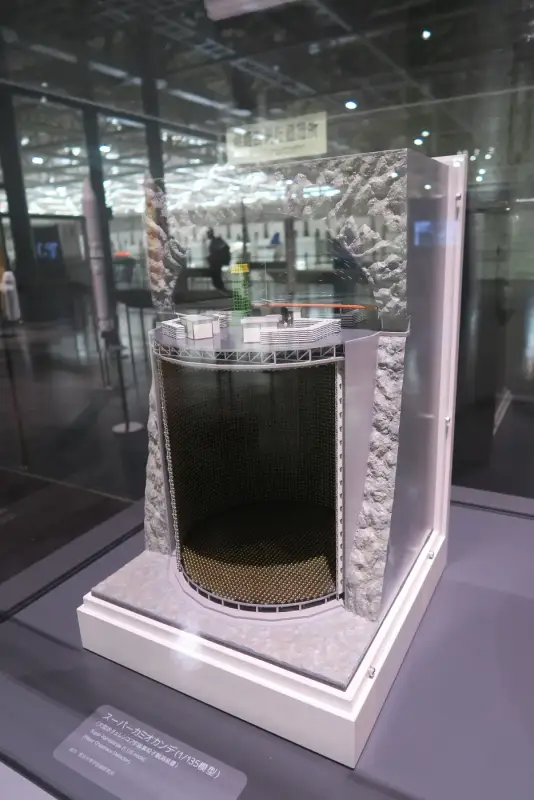
    Neutrinos pass through your thumbnail.

    About 65 billion per second, from the Sun. They pass through matter almost unimpeded – you feel nothing.

    Photo: Motokoka · CC BY-SA 4.0

  • Nº 037 · Space · 50 sec

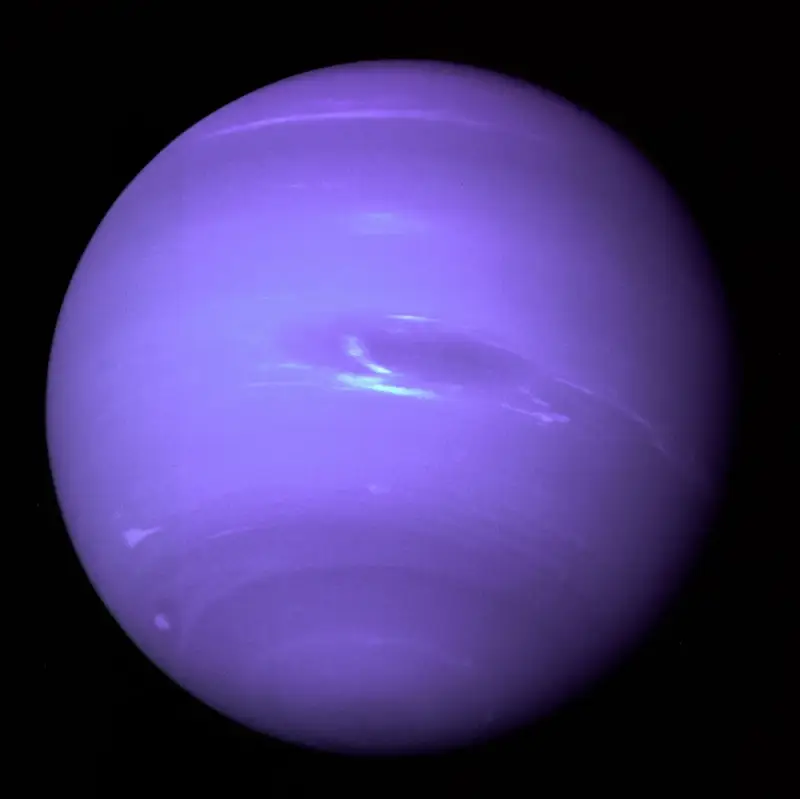
    A planet found with pen and paper

    Before anyone knowingly saw it, Neptune had already been calculated.

    Image: NASA · Public domain

  • Nº 034 · Space

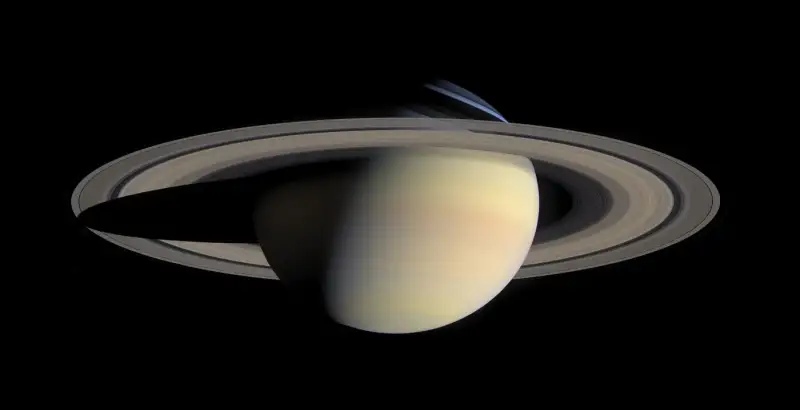
    Saturn would float in water.

    Its average density is lower than water's. A suitable bathtub would have to be enormous.

    Photo: NASA/JPL/Space Science Institute · Public domain

  • Nº 026 · Space

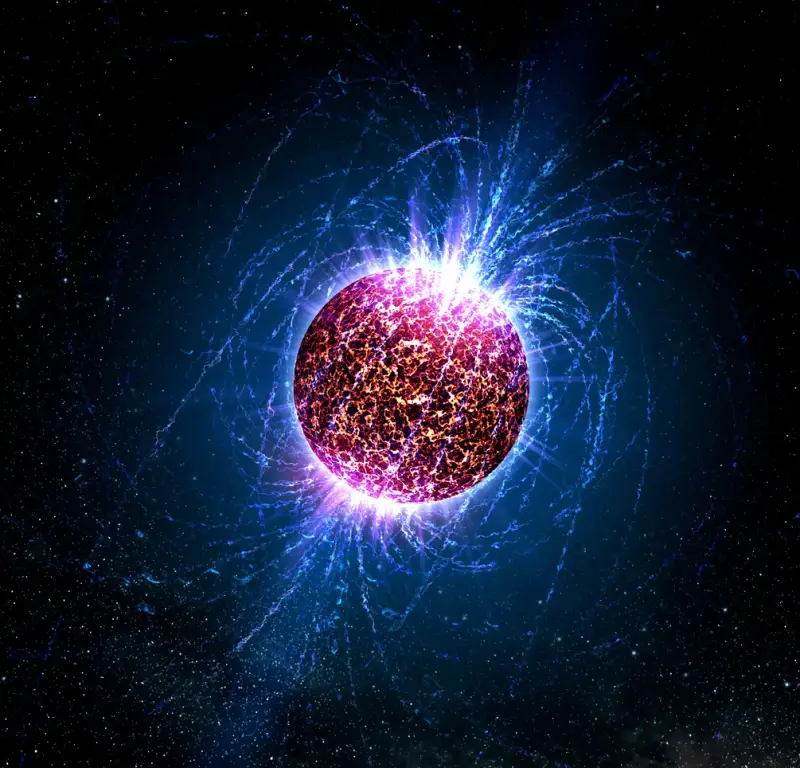
    A sugar cube as heavy as a mountain.

    Made of neutron-star matter, a tiny piece would have a mass of about a billion tons on Earth.

    Illustration: Casey Reed - Penn State University · Public domain

  • Nº 004 · Space · 1 min

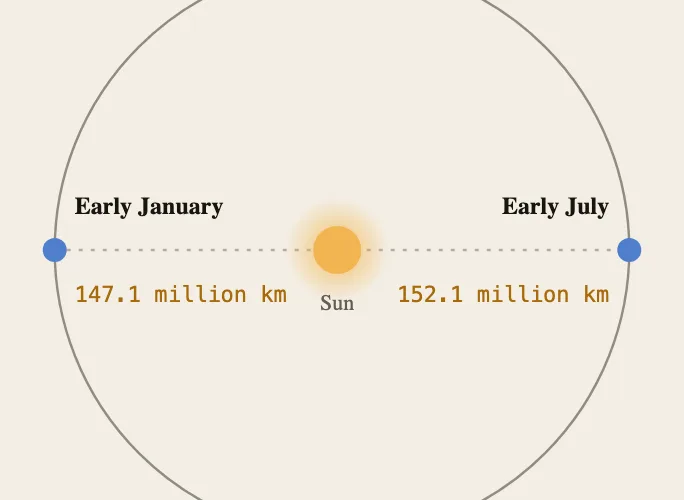
    Why is Earth closest to the Sun in January?

    In the middle of winter. Distance doesn't make the seasons – something else does.

  • Nº 003 · Space · 50 sec

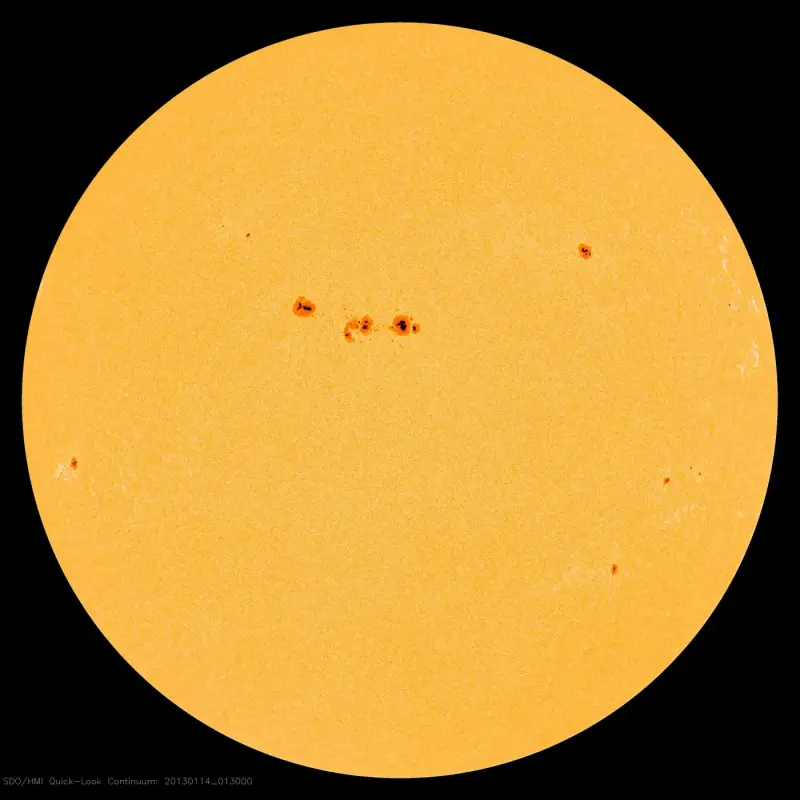
    How old is the sunlight on your skin?

    Eight minutes – and many thousands of years.

    Image: NASA/SDO/HMI · CC BY 4.0

  • Nº 002 · Space · 50 sec

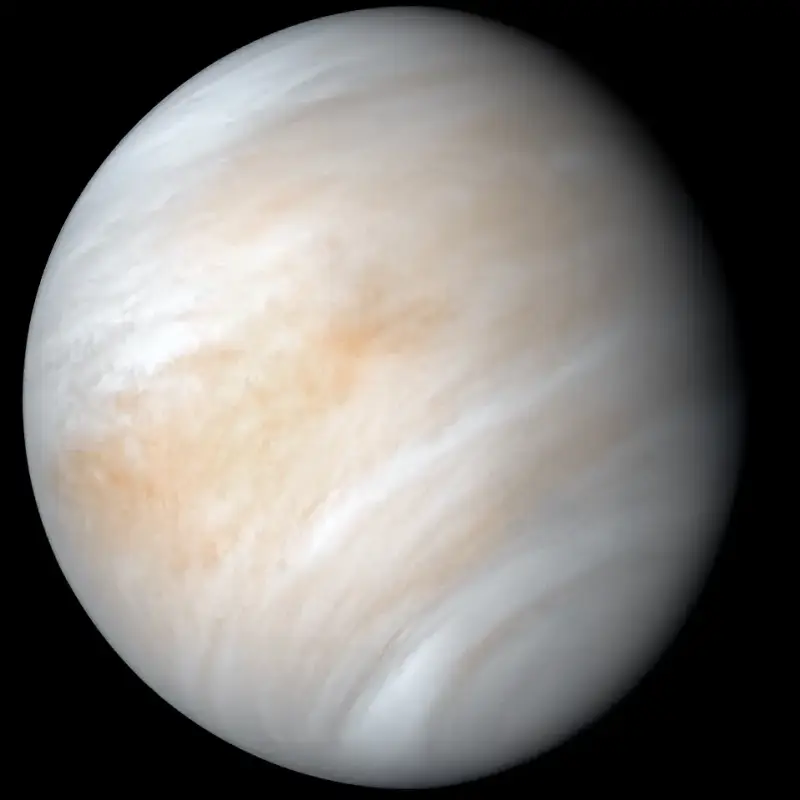
    Why is a day on Venus longer than its year?

    It spins so slowly that it circles the Sun faster than it turns once.

    Image: NASA/JPL-Caltech · Public domain

  • Nº 001 · Space · 1 min

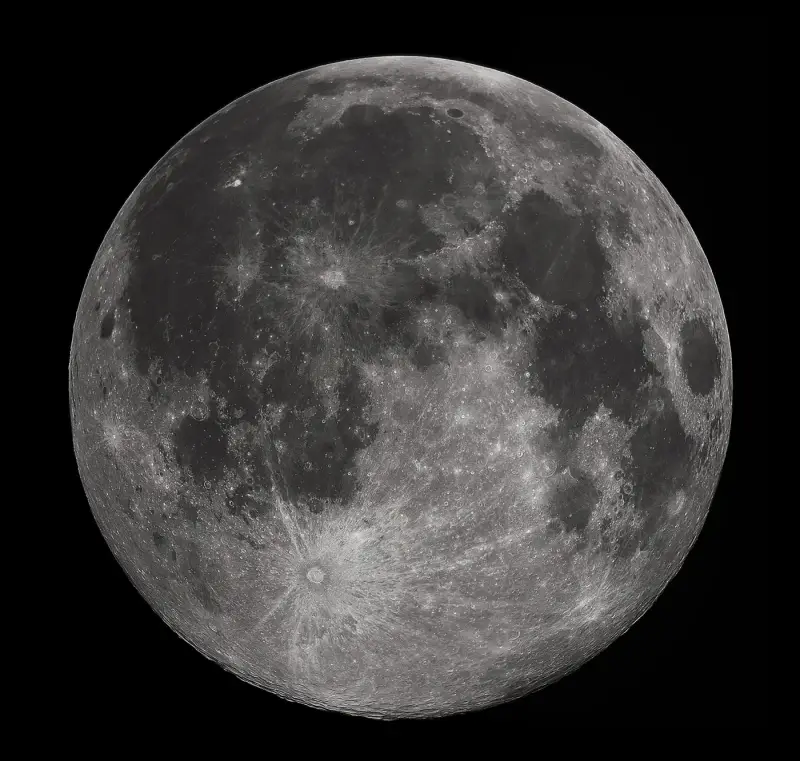
    Why do we always see the same side of the Moon?

    It does spin – exactly once per trip around Earth.

    + Deep dive

    Photo: Gregory H. Revera · CC BY-SA 3.0