Discoveries

Every discovery, with its sources.

Short explanations from nature, space, physics and history. New ones are in the app first and arrive here a week later.

  • Nº 179 · Technology

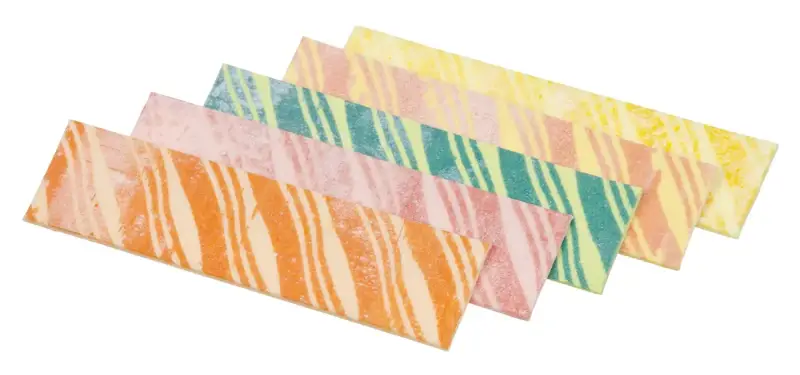
    The first barcode ever scanned was on chewing gum.

    On 26 June 1974 a pack of Juicy Fruit became the first UPC-coded product to pass through a supermarket checkout scanner.

    Photo: Evan-Amos · Public domain

  • Nº 178 · Technology

    The first text message read “Merry Christmas”.

    In 1992 it was typed not on a phone but on a computer.

    Photo: Charlotte Coneybeer she_sees · CC0

  • Nº 177 · Technology

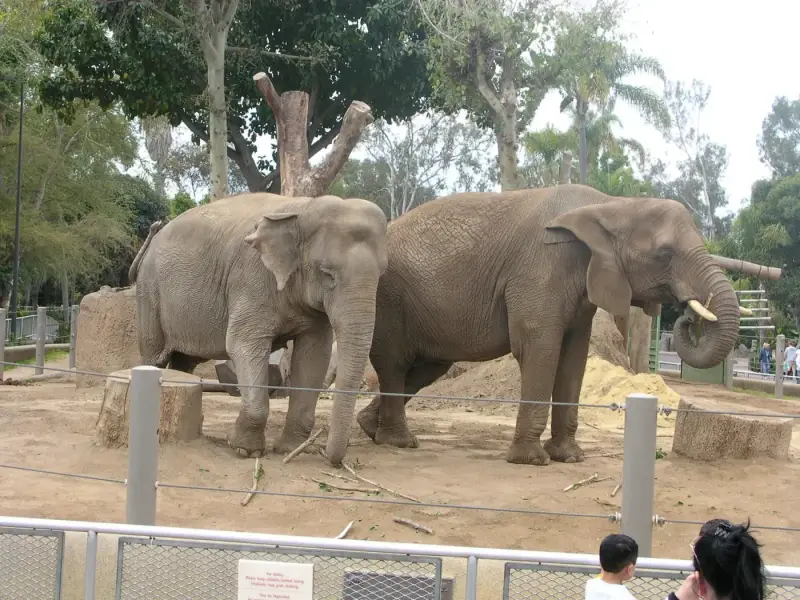
    The first YouTube video shows elephants at a zoo.

    “Me at the zoo” lasts 19 seconds. It was uploaded in 2005 by one of YouTube’s founders.

    Photo: Katsutoshi Seki · CC BY-SA 3.0

  • Nº 175 · Technology

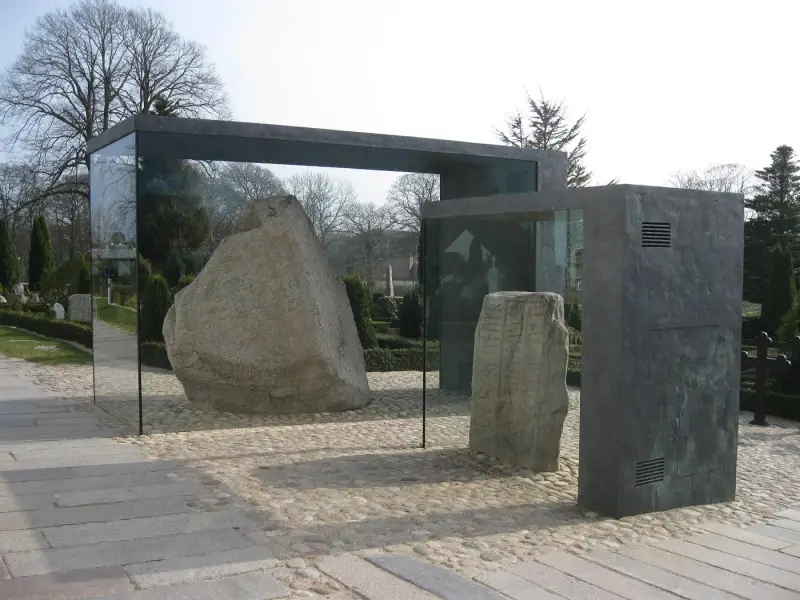
    Bluetooth is named after a Danish king.

    In the 10th century, Harald Bluetooth united the Danish tribes. Bluetooth was meant to link computers and phones by radio.

    Photo: Alicudi · CC BY-SA 3.0

  • Nº 149 · Technology

    On 19 January 2038, an old computer clock overflows.

    Unix time counts seconds since 1970. As a 32-bit number it is full at 03:14:07 UTC – after that, a jump back to 1901 looms.

    Photo: quapan · CC BY 2.0

  • Nº 136 · Technology

    The first known spam email advertised computers in 1978.

    A DEC marketer wanted to invite every ARPANET user on the US West Coast. But the mail program only took 320 addresses.

    Photo: Retro-Computing Society of Rhode Island · CC BY-SA 3.0

  • Nº 135 · Technology · 1 min

    Solving reCAPTCHAs helped digitize old books

    From 2007, reCAPTCHA showed words that text recognition software had failed to read. Most people who solved them had no idea they were working.

    Photo: Jason "Textfiles" Scott · CC BY 2.0

  • Nº 134 · Technology

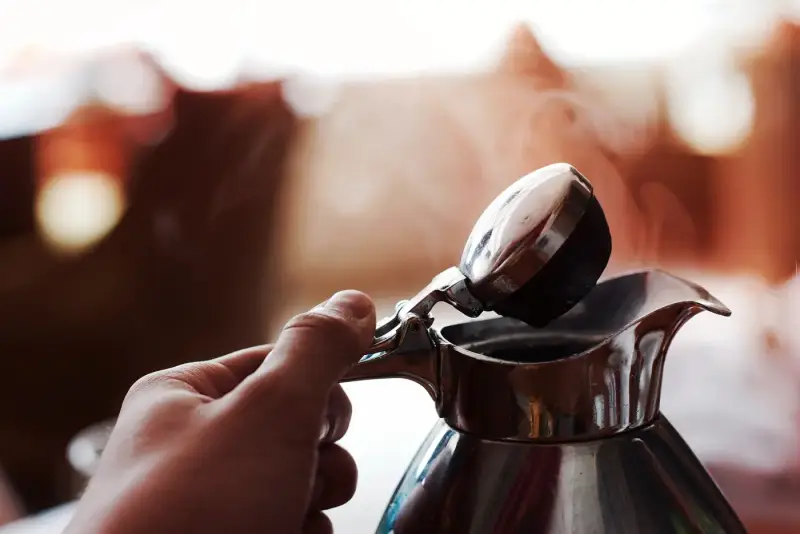
    The first webcam showed a coffee pot.

    Researchers in Cambridge often walked to the coffee machine for nothing. So in 1991 they pointed a camera at the pot.

    Photo: Tim Arterbury tim_arterbury · CC0

  • Nº 130 · Technology

    The world's shortest scheduled flight takes about a minute.

    The flight between two of Scotland's Orkney islands is just 2.7 kilometres long. The timetable allows one and a half minutes.

    Photo: Mark Longair · CC BY-SA 2.0

  • Nº 127 · Technology

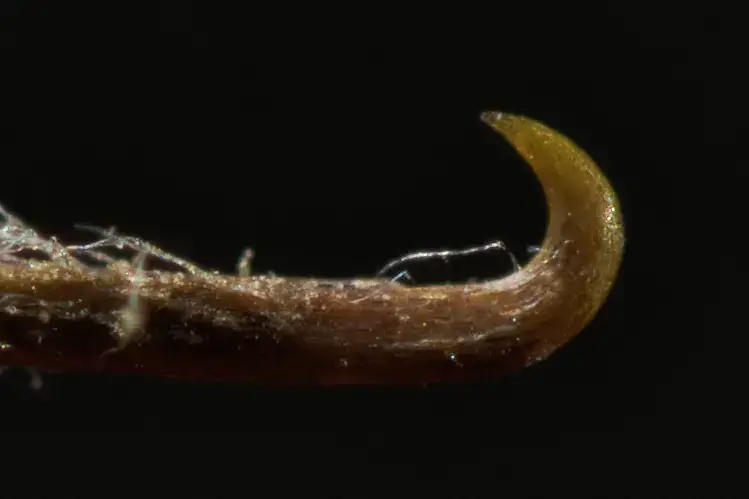
    Velcro was copied from a plant.

    In 1941, after a hunting trip, George de Mestral and his dog were covered in burrs. He looked at them under a microscope.

    Photo: El Grafo · CC BY-SA 4.0

  • Nº 124 · Technology

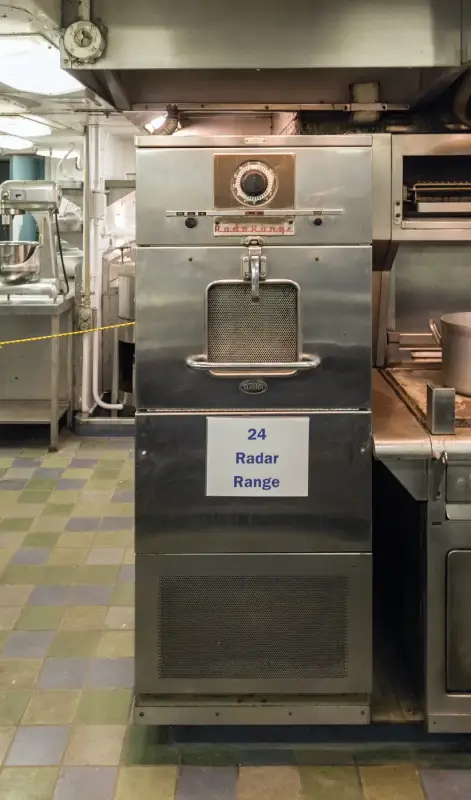
    The first microwave oven on sale weighed about 340 kilos.

    It went on sale in 1947 as the "Radarange": about 1.80 metres tall and around 5,000 dollars.

    Photo: Acroterion · CC BY-SA 4.0

  • Nº 106 · Technology · 45 sec

    Emoji has nothing to do with "emotion"

    The word comes from Japanese. And the first emoji are older than the famous little pictures from 1999.

    Illustration: Twitter · CC BY 4.0

  • Nº 098 · Technology

    The Pringles can's inventor is partly buried in one.

    Fredric Baur designed the tube for the stacked chips. After his death in 2008, some of his ashes went into a Pringles can.

    Visualization: Sam Derbyshire · CC BY-SA 3.0

  • Nº 083 · Technology · 50 sec

    The internet lies on the seabed

    Almost all data between continents runs through cables barely thicker than a garden hose. And no, sharks aren't the problem.

    Photo: Bob Adams from Amanzimtoti, South Africa · CC BY-SA 2.0

  • Nº 081 · Technology · 50 sec

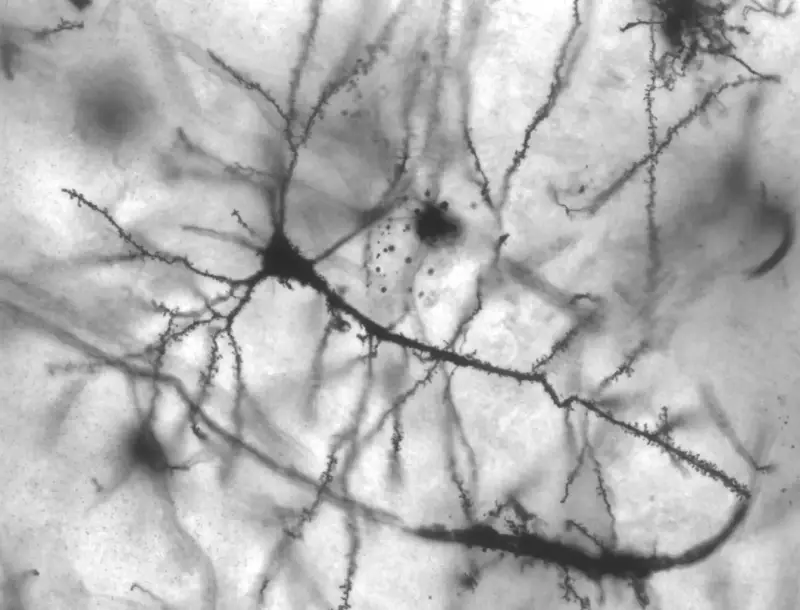
    What an artificial neuron actually computes

    It isn't a brain, just a small calculation: weight the inputs, add them up, send them through a curve. Try it.

    Photo: MethoxyRoxy · CC BY-SA 2.5

  • Nº 080 · Technology

    AI would rather guess than say "I don't know".

    A 2025 study says tests reward guessing. Asked for one birthday, a model gave a different wrong date three times.

    Photo: Alison wood · CC BY 3.0

  • Nº 079 · Technology

    In 1966 a secretary wanted to be alone with a chatbot.

    ELIZA only mirrored sentences back. Even so, Joseph Weizenbaum's secretary asked him to leave the room.

    Photo: Rochester Institute of Technology · Public domain

  • Nº 078 · Technology · 55 sec

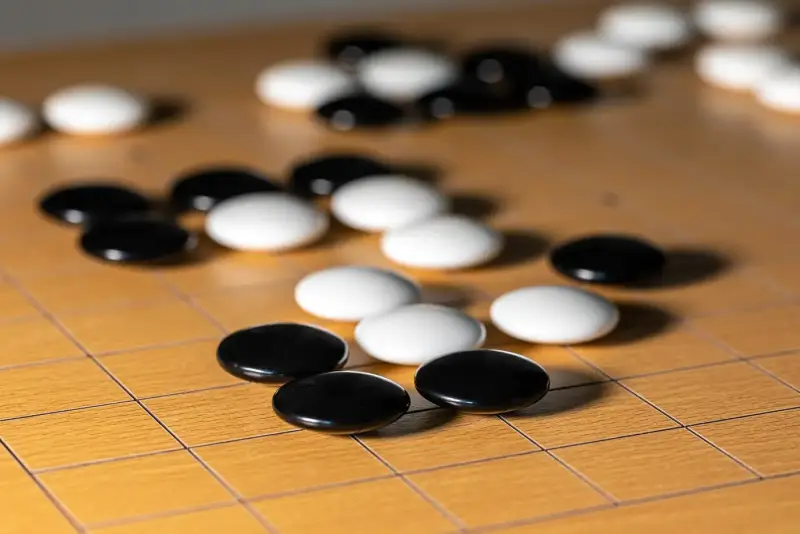
    Move 37: When an AI played a move hardly any human would have chosen

    In 2016 AlphaGo played one of the best Go players in the world. One move stunned the pros – and so did one by the human.

    Photo: Dietmar Rabich · CC BY-SA 4.0

  • Nº 077 · Technology · 1 min

    In 2024 there were two Nobel Prizes for AI

    Physics for the foundations of neural networks, chemistry for an AI that folds proteins. Both have their roots in physics.

    Photo: Jay Dixit · CC BY-SA 4.0

  • Nº 073 · Technology

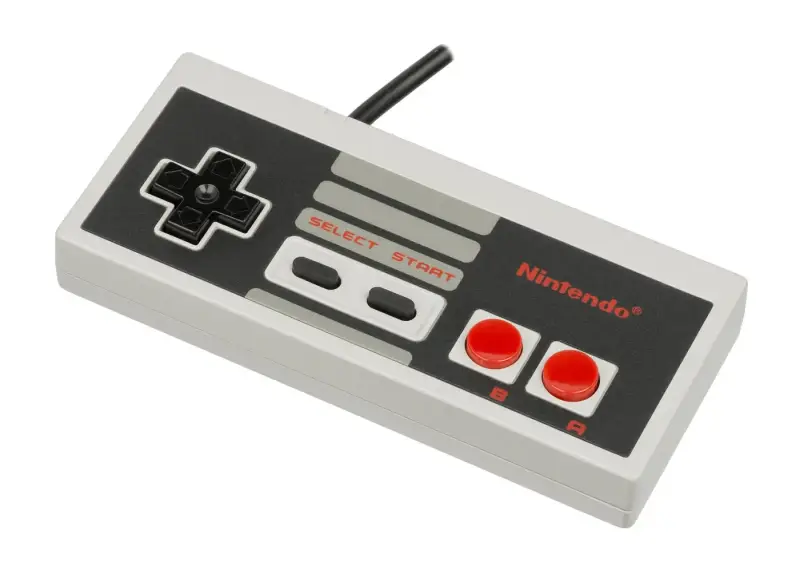
    A 13-year-old "beat" Tetris.

    In December 2023 Willis Gibson crashed the 1989 NES Tetris on level 157 – the first person ever to do it.

    Photo: Evan-Amos · Public domain

  • Nº 072 · Technology

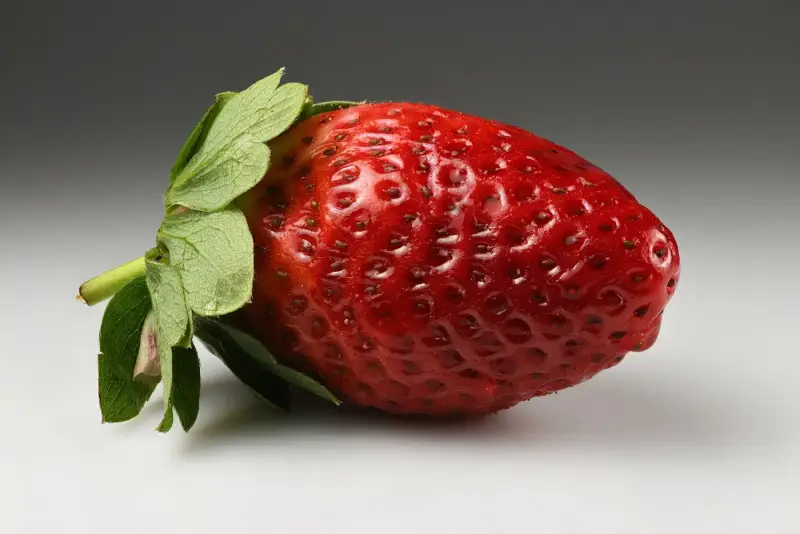
    Many AI models stumble over the r's in "strawberry".

    Language models read text as numbers for whole word pieces. Counting letters that appear several times is hard for many of them.

    Photo: Ivar Leidus · CC BY-SA 4.0

  • Nº 071 · Technology · 1 min

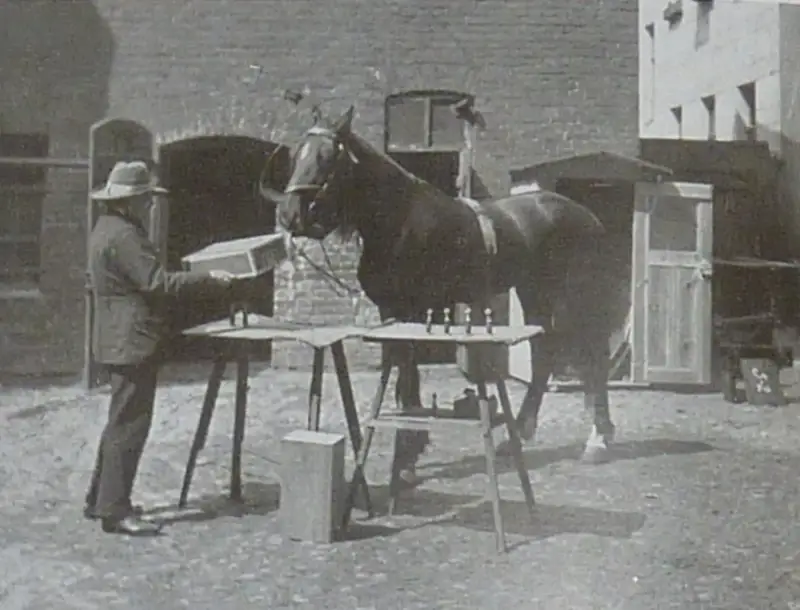
    What a counting horse reveals about AI

    Around 1900, Clever Hans tapped out sums with his hoof. Today researchers name a typical AI mistake after him.

    Photo: Karl Krall · Public domain

  • Nº 070 · Technology

    Invisible noise turns a panda into a gibbon.

    Researchers laid a barely visible pattern over a photo of a panda. An image recognizer then saw a gibbon – 99.3 % sure.

    Photo: Kevin Dooley · CC BY 2.0

  • Nº 069 · Technology · 55 sec

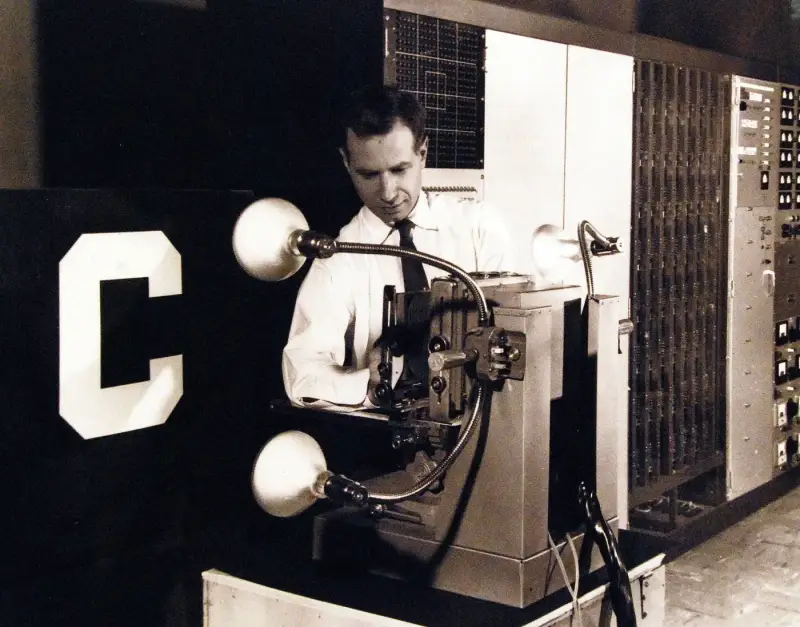
    The first learning computer was supposed to walk and talk

    In 1958 a machine learned to tell left from right after 50 tries. The New York Times saw a being with consciousness in it.

    Photo: National Museum of the U.S. Navy · Public domain

  • Nº 064 · Technology · 50 sec

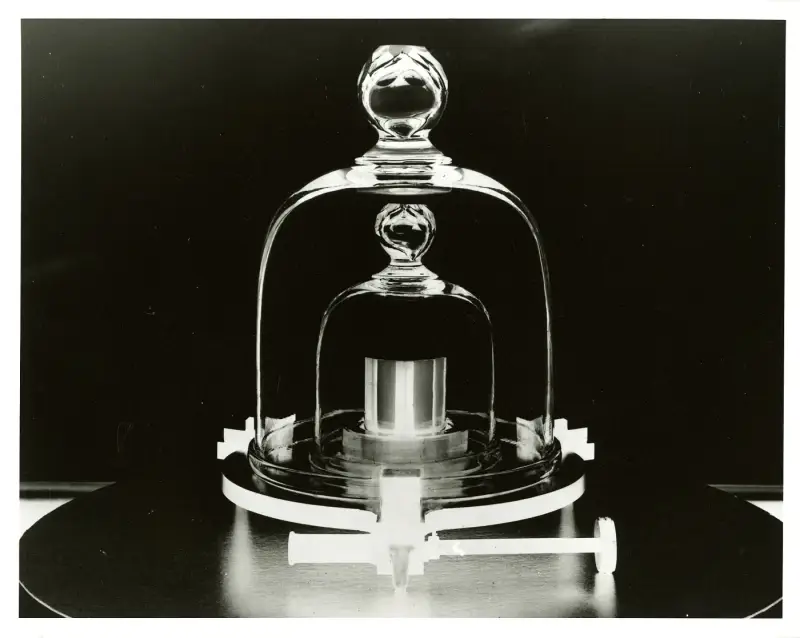
    The kilogram prototype got lighter – or all its copies got heavier

    For 130 years, a metal cylinder near Paris was by definition exactly one kilogram. That was precisely the problem.

    Photo: National Institute of Standards and Technology · Public domain

  • Nº 060 · Technology

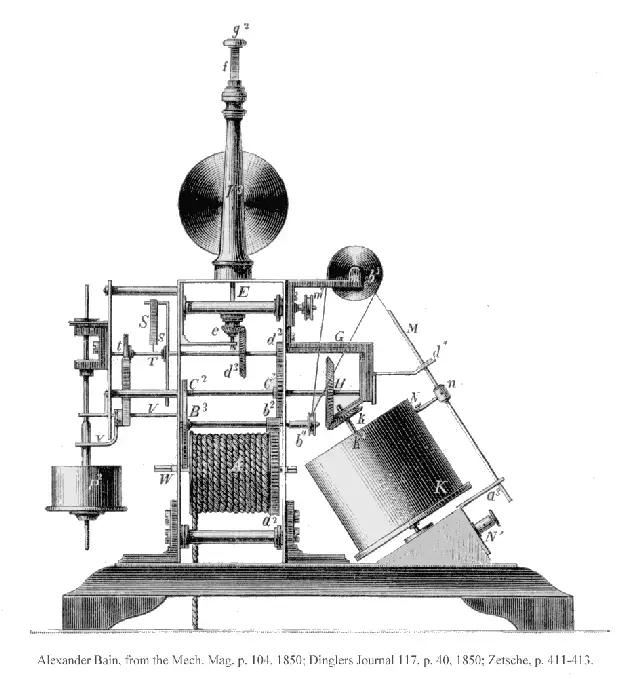
    The fax is older than the telephone.

    Alexander Bain patented the principle in 1843 – 33 years before Bell's telephone. It wasn't ready for everyday use.

    Illustration: European Patent Office · Public domain

  • Nº 040 · Technology · 50 sec

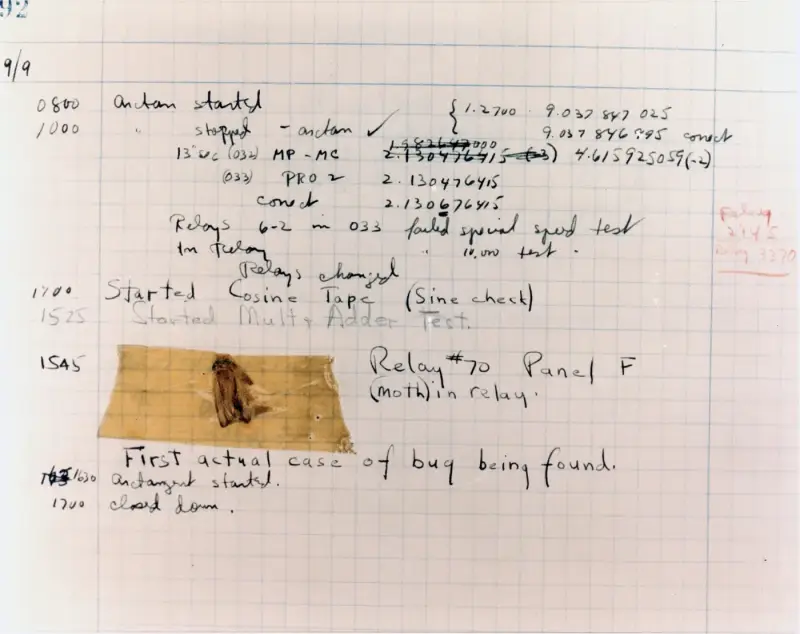
    The first computer bug was a real moth

    Taped into the logbook. Only the word "bug" was already old by then.

    Photo: Courtesy of the Naval Surface Warfare Center, Dahlgren, VA., 1988. · Public domain

  • Nº 036 · Technology

    QR codes were invented for car parts.

    Denso Wave developed them in 1994 to label vehicle parts. The code could be read faster than a barcode.

    Illustration: Brdall · Public domain