Your guess
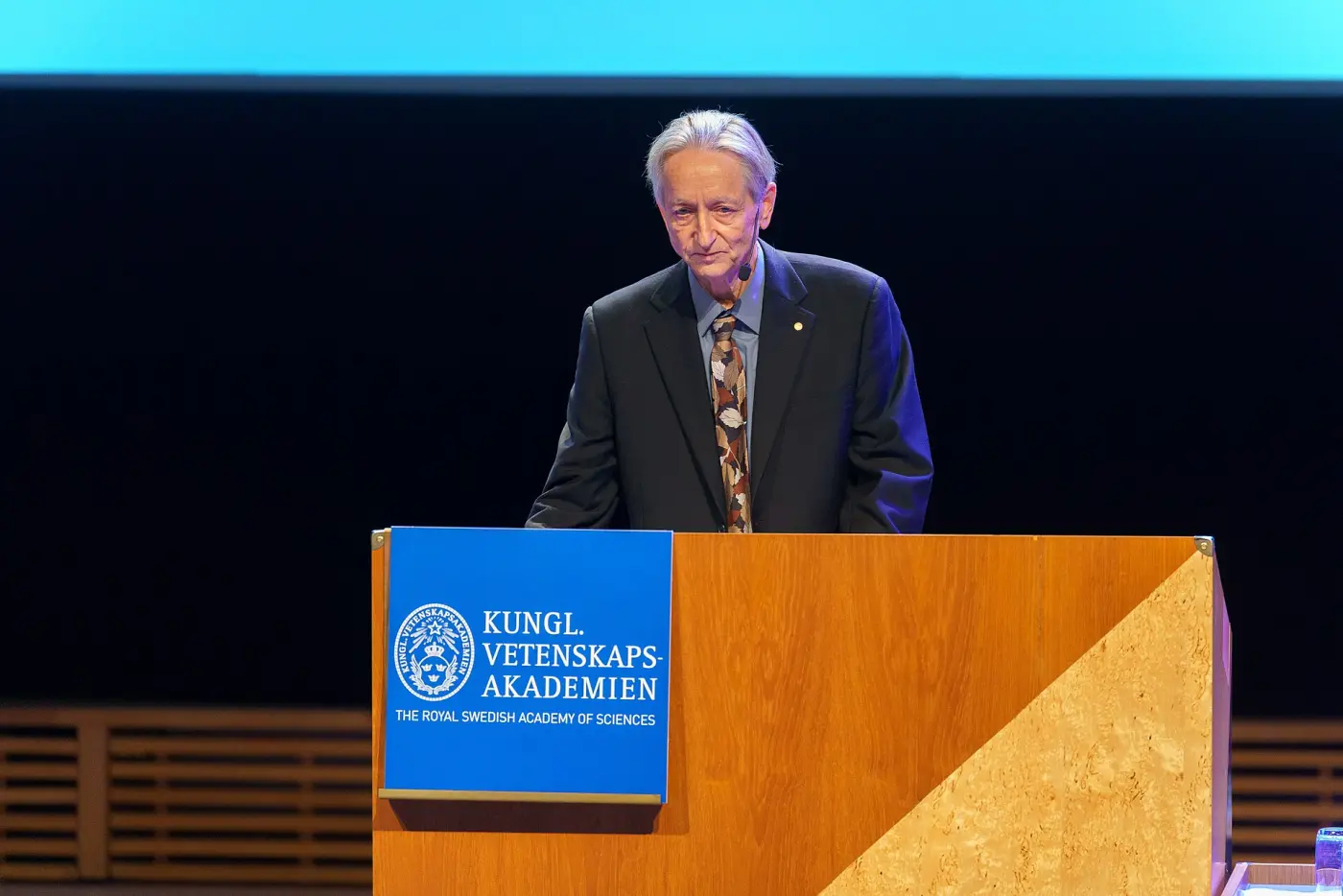
What was the 2024 Nobel Prize in Physics awarded for?
A memory made of tiny magnets
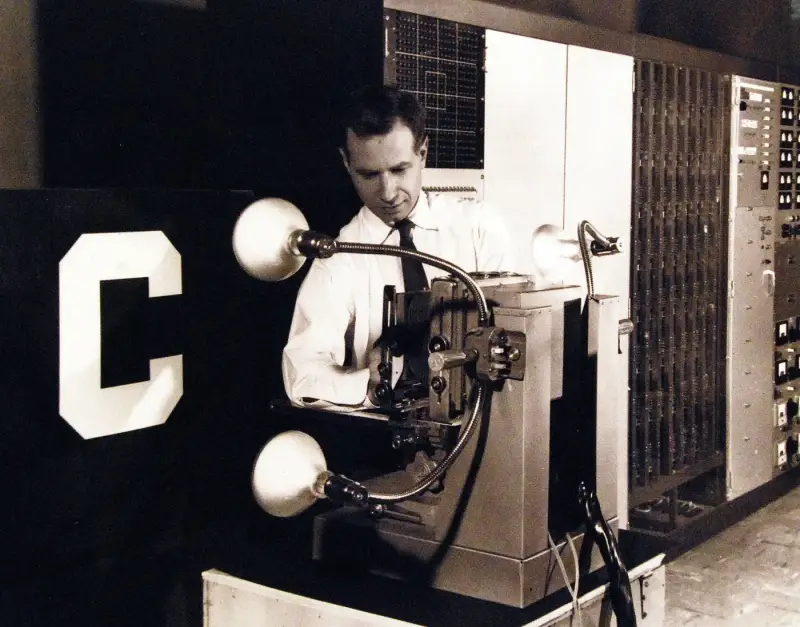
John Hopfield built a network that can store and restore images. He used the physics of magnetic materials, in which every atom acts like a tiny magnet. Given a noisy image, the network changes its values point by point until it lands on the most similar stored image.
The Boltzmann machine
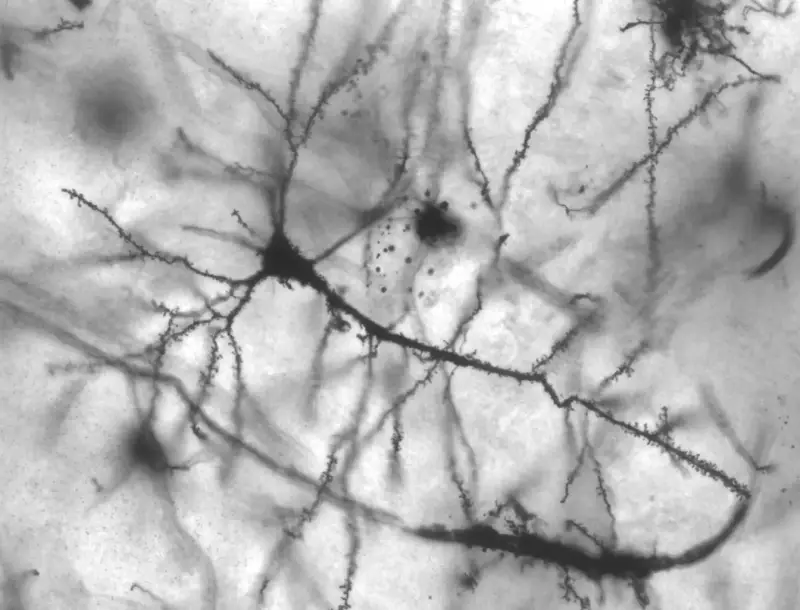
Geoffrey Hinton built on that. His Boltzmann machine learns to recognise typical features in data, using tools from statistical physics. It can classify images or create new examples. Hinton thus helped set off today's rapid development of machine learning.
And the chemistry prize?
200millionprotein structures AlphaFold2 could predict
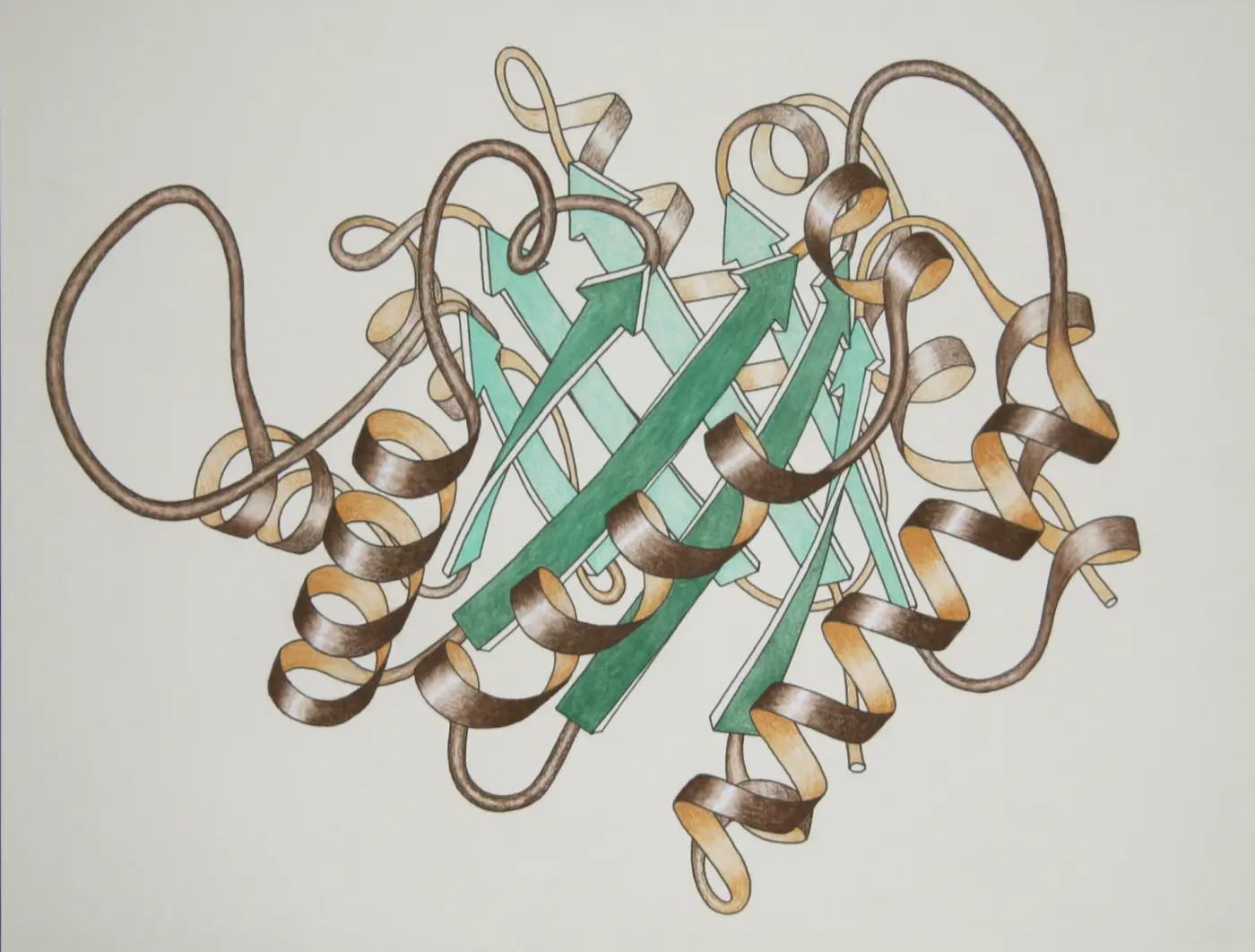
Proteins fold into 3D shapes, and the shape decides what they do. Predicting that shape from the sequence of building blocks was considered extremely hard for 50 years. In 2020 Demis Hassabis and John Jumper presented the AI model AlphaFold2 – and won half the 2024 Nobel Prize in Chemistry for it.