1966ELIZA appeared, an early chatbot
A trick with patterns
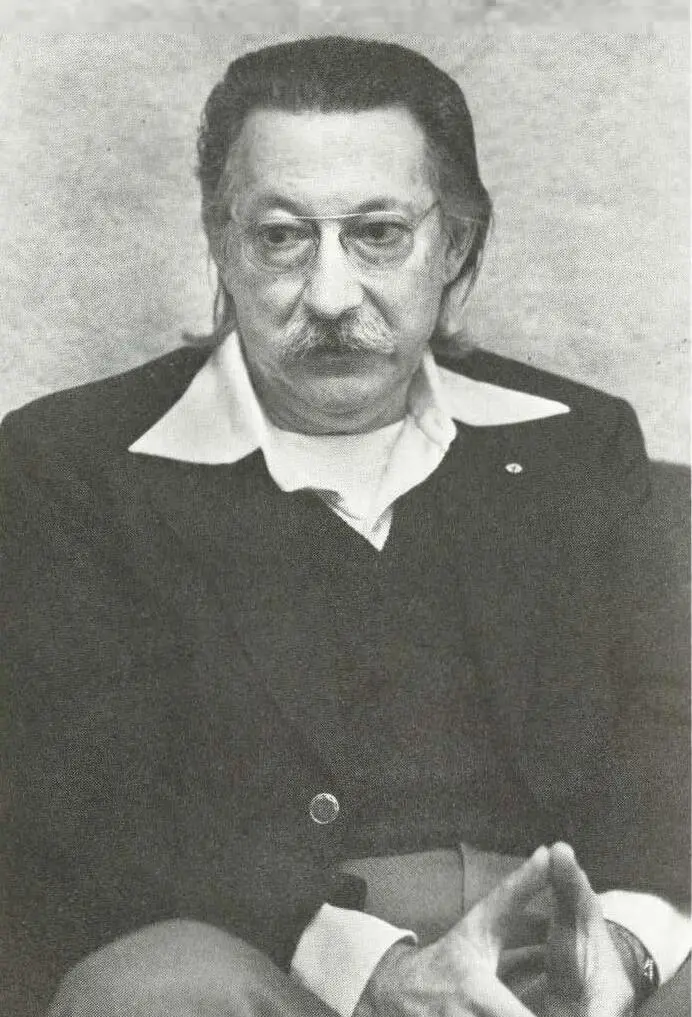
Joseph Weizenbaum developed ELIZA at MIT. The program looked for patterns in sentences and turned them into questions, in the style of a psychotherapist. It understood nothing. Even so, many people attributed feelings to it – today that's called the ELIZA effect.
Weizenbaum's shock
His secretary knew it was just a program. Even so, she asked him: "Would you mind leaving the room, please?" Weizenbaum later wrote that he had not realised that even short exposure to a simple program could induce delusional thinking in quite normal people.