Discoveries

Every discovery, with its sources.

Short explanations from nature, space, physics and history. New ones are in the app first and arrive here a week later.

  • Nº 180 · Body

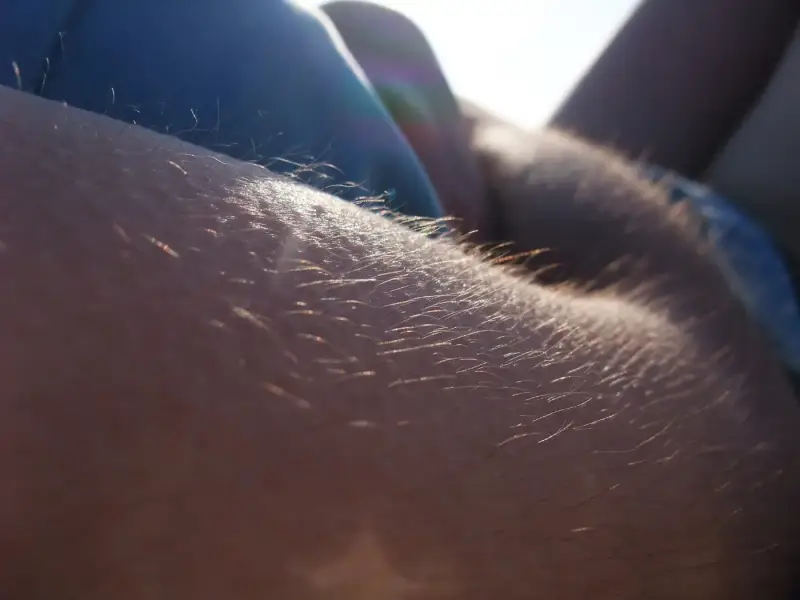
    Goosebumps keep furry animals warm – but hardly us anymore.

    Yet a study in mice found a second job for the parts behind them.

    Photo: Pilettes · CC BY-SA 3.0

  • Nº 172 · Body

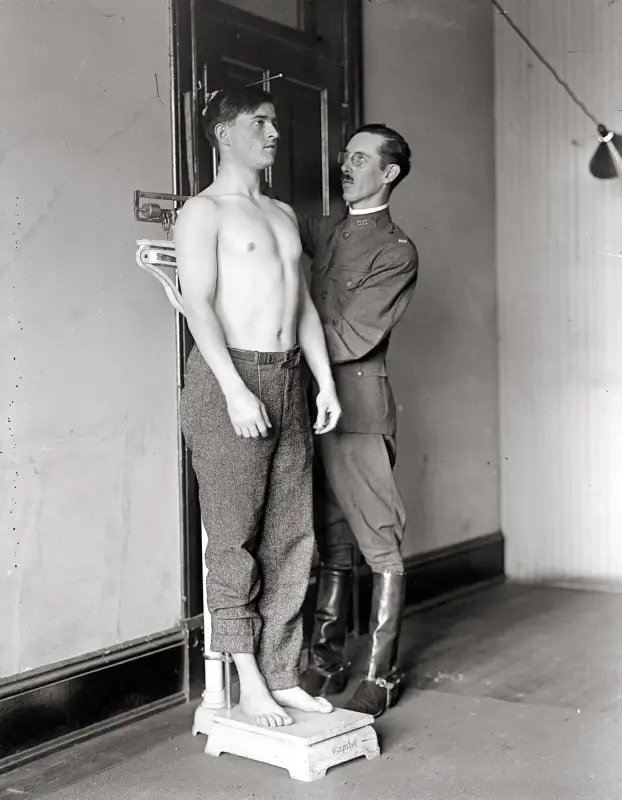
    We shrink over the day – by almost 2 cm in one study.

    During the day, the body's weight squeezes fluid out of the spinal discs. At night, lying down, they take up fluid again.

    Photo: Harris & Ewing · Public domain

  • Nº 161 · Body

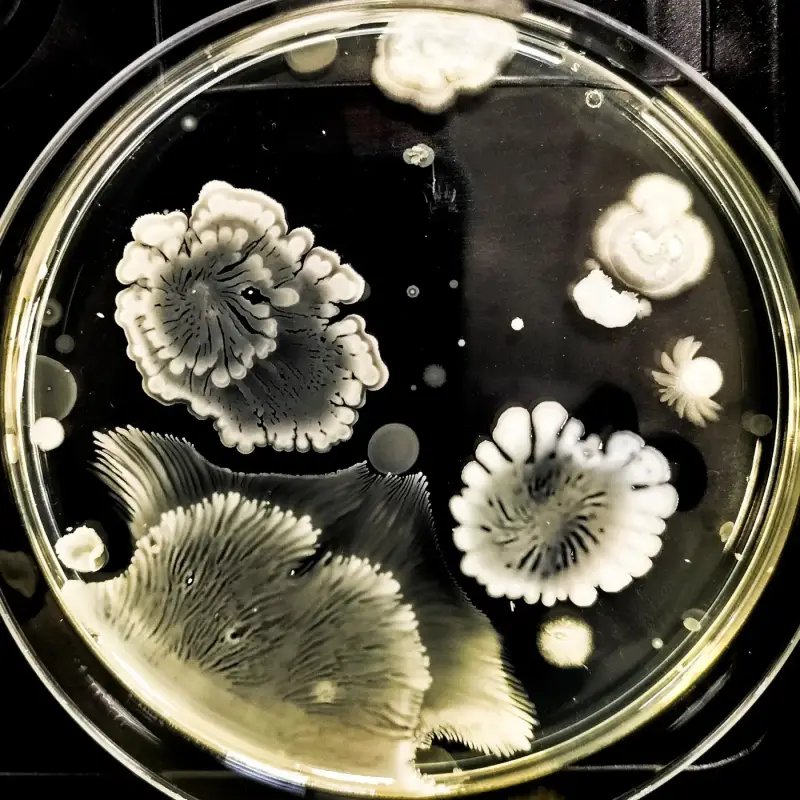
    Researchers found 2,368 bacteria types in 60 belly buttons.

    Most of them turned up on only a few people. Just eight types were found on more than 70 percent.

    Photo: Chiara.marraccini · CC BY-SA 4.0

  • Nº 154 · Body

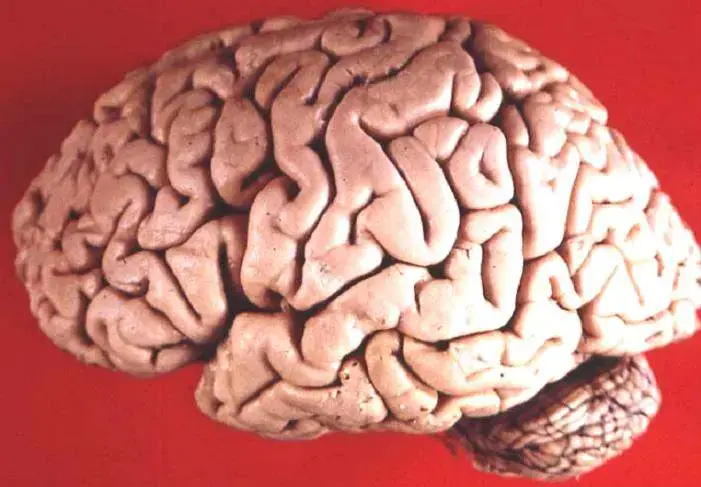
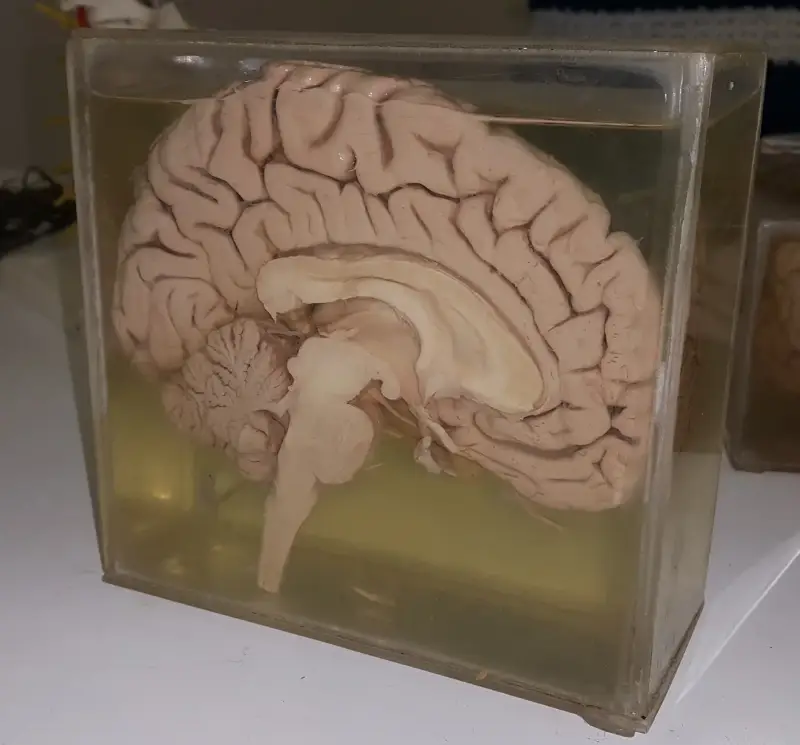
    The brain itself can't feel pain.

    That's why some brain tumors can be removed while the person is awake. This lets the team check that speech and movement are preserved.

    Photo: John A Beal, PhD Dep't. of Cellular Biology & Anatomy, Louisiana State University Health Sciences Center Shreveport · CC BY 2.5

  • Nº 153 · Body

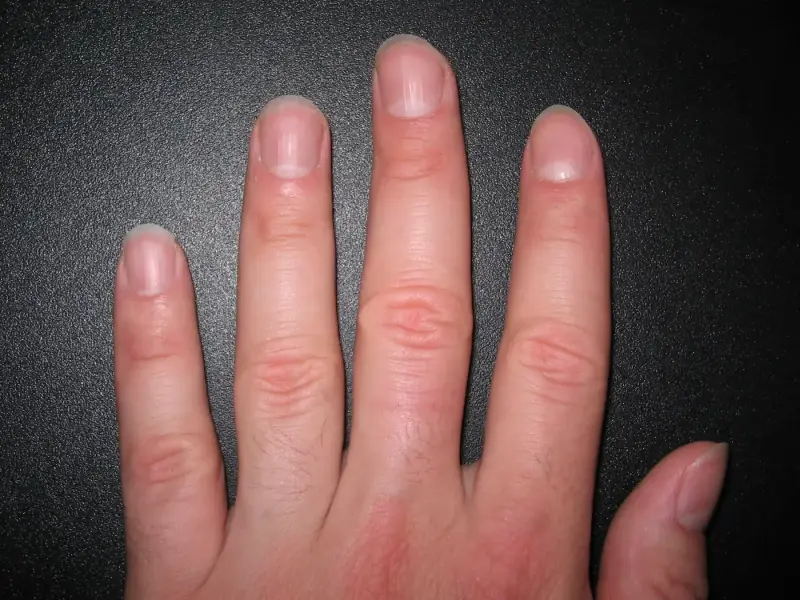
    Fingernails grow about 3.5 millimeters a month.

    Toenails manage only about 1.6 millimeters. That is the result of a study of 22 young adults in the US, published in 2010.

    Photo: Kommissar · Public domain

  • Nº 151 · Body

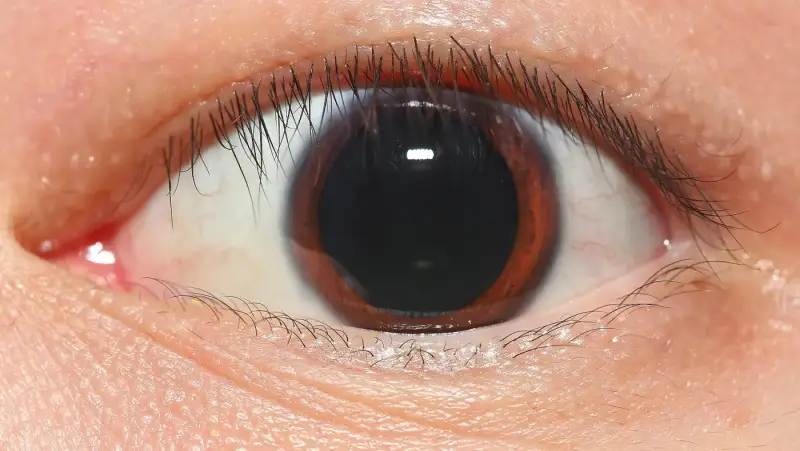
    Bright light makes about one in four people sneeze.

    Experts call it the photic sneeze reflex. It often runs in families – why it happens is still unclear.

    Photo: عبد الرحمان عبد الله · CC BY-SA 4.0

  • Nº 140 · Body

    At rest, the brain uses about a fifth of the body's energy.

    Yet it makes up only about 2% of body weight. So it needs roughly ten times as much as its weight alone would suggest.

    Photo: Themium · CC0

  • Nº 139 · Body · 55 sec

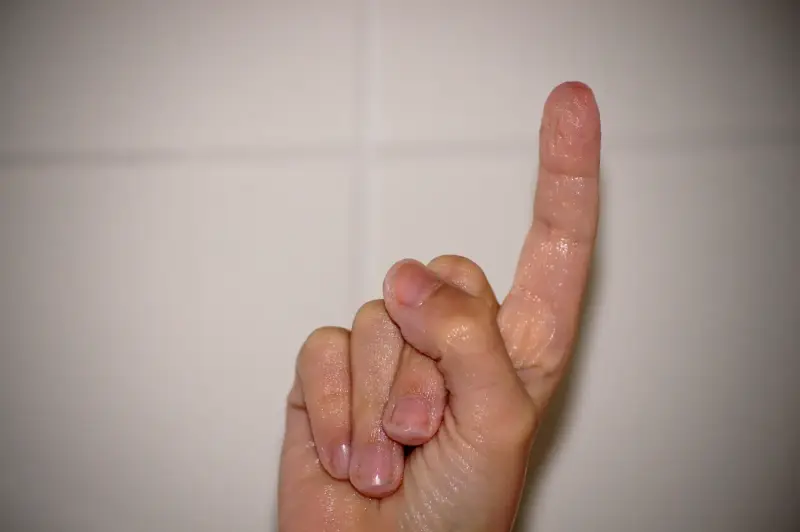
    Pruney fingers in the bath: more than soggy skin

    After a long bath, fingers and toes go wrinkly. People often say the skin just swells up. But there's more to it.

    Photo: Sebastian Wallroth · CC BY 3.0

  • Nº 138 · Body

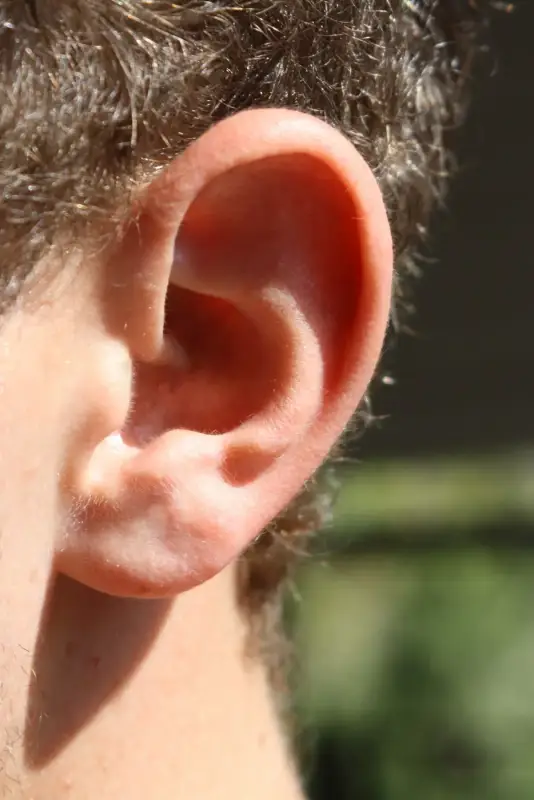
    A single genetic letter determines your earwax.

    If you carry two As, your earwax is dry and flaky. Common in East Asia – in most other regions the wet kind dominates.

    Photo: צולם על ידי he:משתמש:אנדר-ויק · Public domain

  • Nº 129 · Body · 55 sec

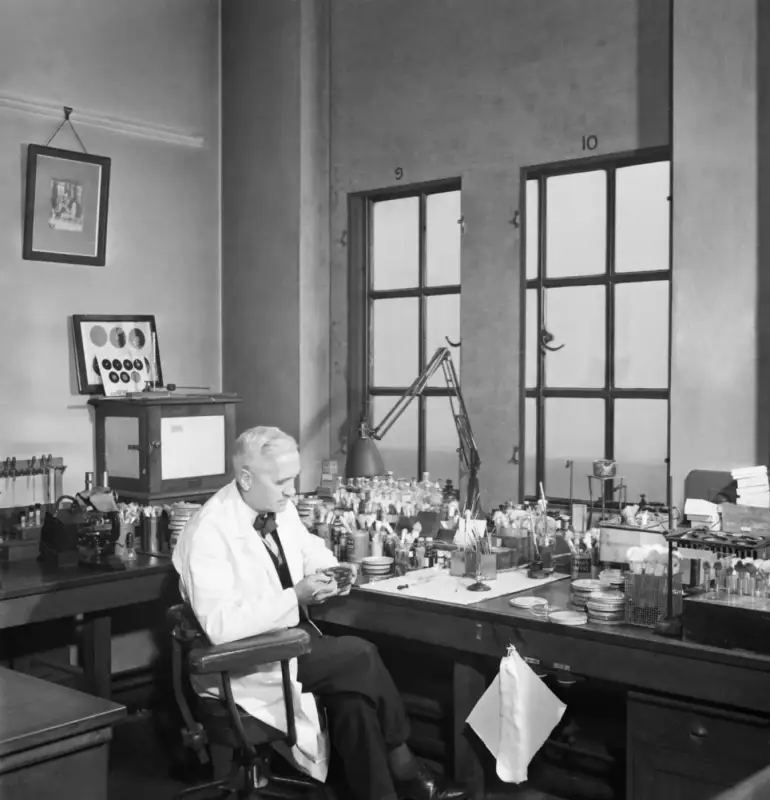
    How a mould became a medicine

    In 1928 Alexander Fleming discovered a mould that killed bacteria. Getting from there to a medicine took a long time.

    Photo: Ministry of Information Photo Division Photographer · Public domain

  • Nº 109 · Body

    Your body glows – just far too faintly for your eyes.

    A special camera captured the light from human skin in total darkness. The cheeks glowed brightest.

    Photo: Rapidreflex · CC BY-SA 4.0

  • Nº 067 · Body · 50 sec

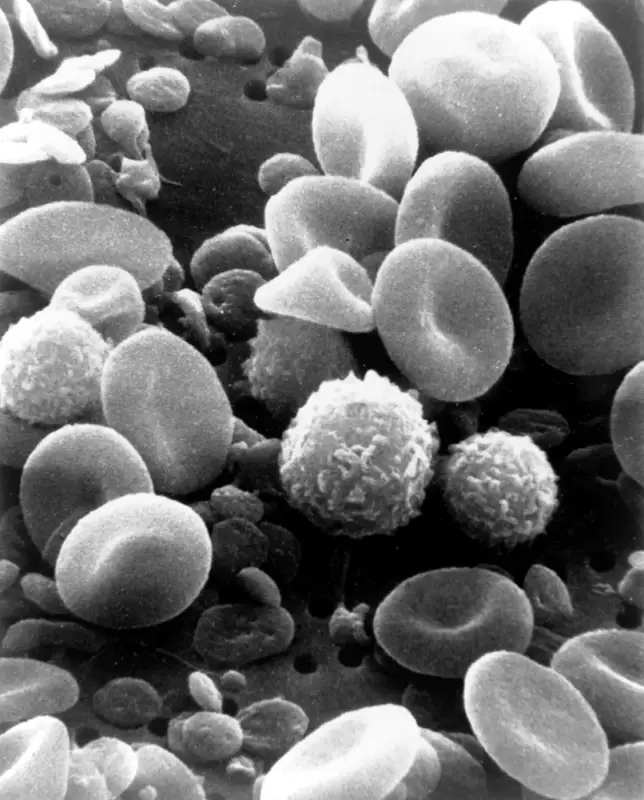
    Gut-lining cells live for days, the neurons in your cortex for a lifetime

    There is no brand-new body every seven years. Ironically, carbon from atomic bomb tests gave the game away.

    + Deep dive

    Photo: Bruce Wetzel (photographer). Harry Schaefer (photographer) · Public domain

  • Nº 038 · Body · 50 sec

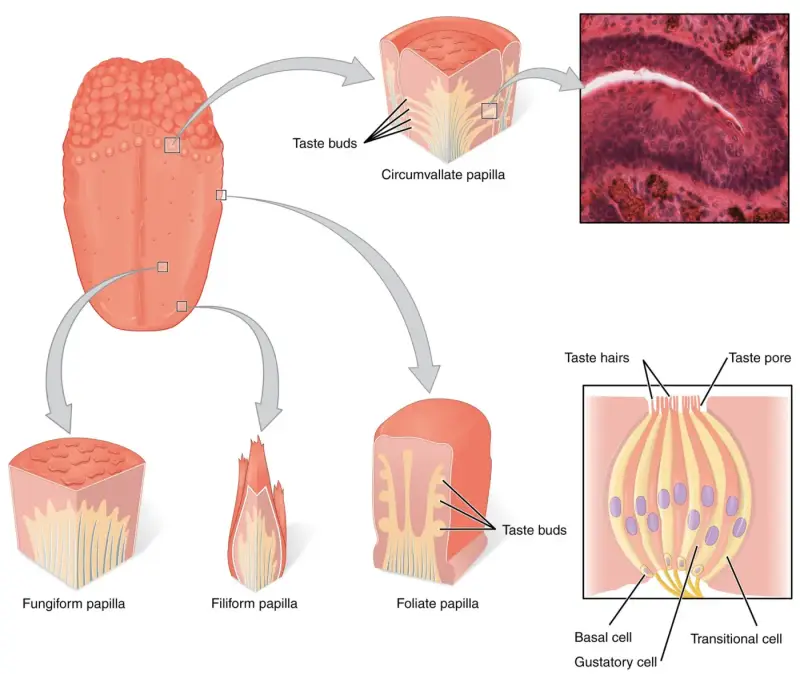
    Do you taste sweet only with the tip of your tongue?

    The famous tongue map with zones for sweet, sour, salty and bitter is a misunderstanding.

    Illustration: OpenStax · CC BY 4.0

  • Nº 035 · Body

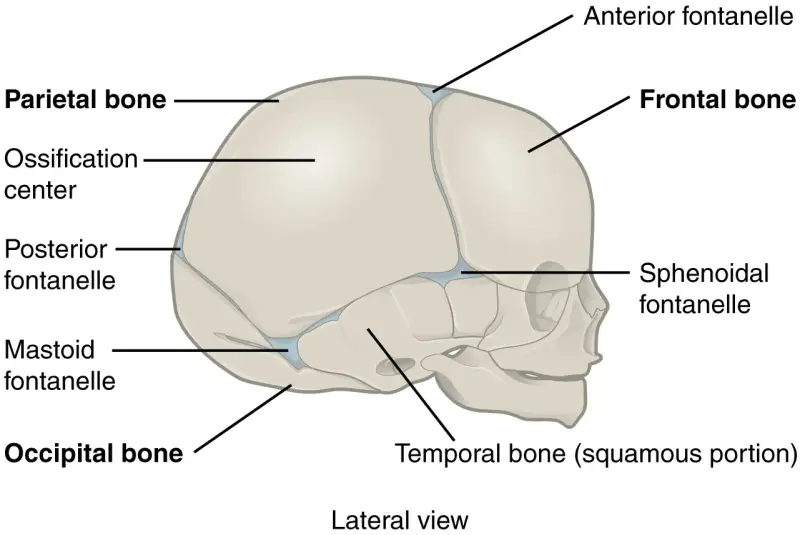
    Babies have more bones than adults.

    Some bones fuse as we grow. About 270 bones at birth become roughly 206 in adulthood.

    Illustration: OpenStax College · CC BY 3.0