Your guess
Where does a clock tick faster?
One stair step is enough
33cmof height difference was enough to measure it
In 2010 researchers at the US institute NIST compared two extremely precise atomic clocks, one of them 33 centimeters higher. The upper one ran faster. Over a 79-year life that adds up to about 90 billionths of a second.
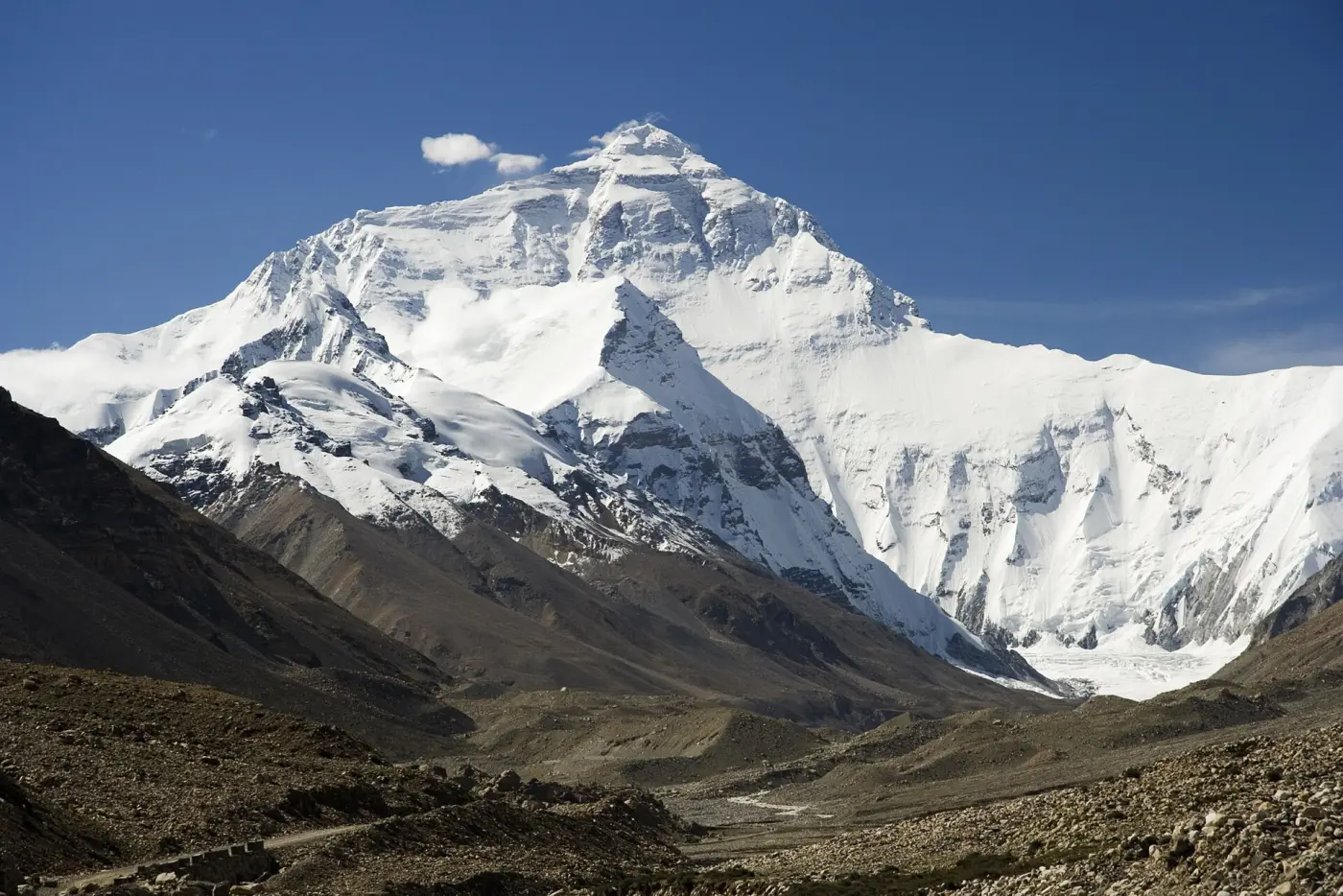
And on Everest?
39hoursahead after 4.6 billion years
Over the whole age of Earth, a clock at 9,000 meters – roughly the summit of Everest – would be about 39 hours ahead of a clock at sea level.
Your phone accounts for it
38µsgained per day by GPS satellite clocks
The clocks on GPS satellites run faster because of their height and a little slower because of their speed – net 38 millionths of a second per day. Uncorrected, positioning would drift by about 11 kilometers a day. That's why the satellite clocks are set slightly slow before launch.
Deep dive
Gravity slows time down
The closer a clock is to a large mass, the slower it runs. The farther away, the faster. Closely related is gravitational redshift: light emitted near a mass arrives higher up with a slightly lower frequency. That tiny shift is exactly what physicists measured first.
Continues in the app
- A tower at Harvard
- Atomic clocks round the world
- A weekend on the mountain
- Einstein got one wrong
- One millimetre is enough
- Clocks as instruments
- Quiz with 3 questions
- 3 key points to keep