Orders: never give up
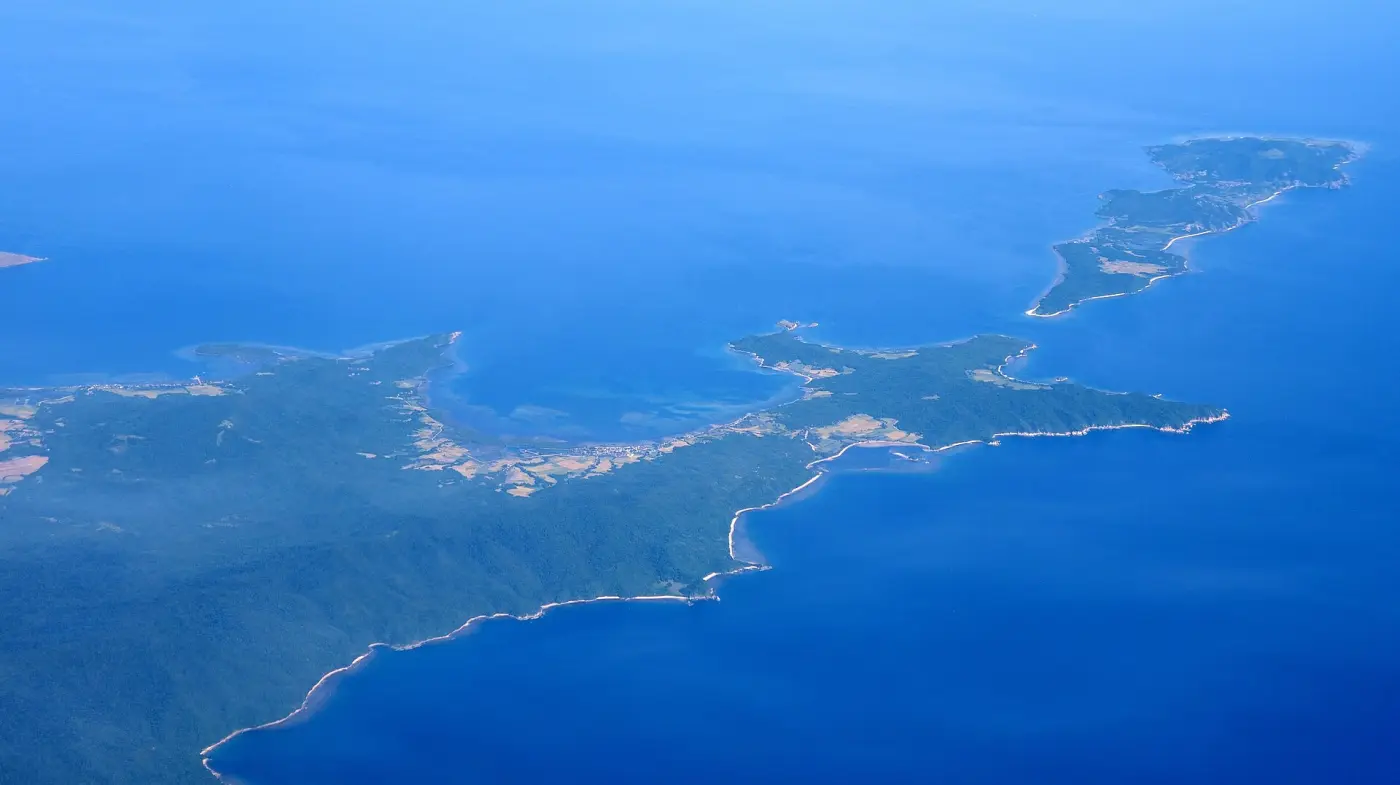
At the end of 1944 the Japanese army sent Lieutenant Hiroo Onoda to the Philippine island of Lubang to wage guerrilla warfare. Under no circumstances was he to surrender or take his own life. In February 1945 US and Philippine forces landed. Soon only Onoda and three soldiers were left; they withdrew into the mountains.
All just propaganda?
In October 1945 they saw a note: "The war ended on 15 August." They took it for Allied propaganda. In 1952 planes dropped letters and photos from their families; they took that for a trick too. One soldier surrendered in 1950, the other two died in shootouts in 1954 and 1972.
The victims on Lubang
Onoda and his men lived on fruit and stolen rice and kept attacking islanders. They are said to have killed up to 30 people. President Marcos pardoned Onoda in 1974, but many on Lubang never forgave him. When he visited in 1996, the town council of Looc asked for compensation for the families of seven people he had allegedly killed.
Did he really not know?
Onoda later said he had not known the war was over. Japan scholar Beatrice Trefalt doubts it: he had access to newspapers and a transistor radio. The ghostwriter of his autobiography, Tsuda Shin, wrote in 1976 that Onoda knew the war had ended and kept up the violence anyway.
Your guess
Who finally got Onoda to give up in 1974?
A war that didn't end
- 1944Onoda arrives on Lubang
- 1945Japan surrenders
- 1950One comrade surrenders
- 1972The last comrade dies
- 1974Onoda surrenders
After Japan's surrender, Onoda held out for another 28 years, 6 months and 8 days. He died in Tokyo in 2014, aged 91.