From crater to novel
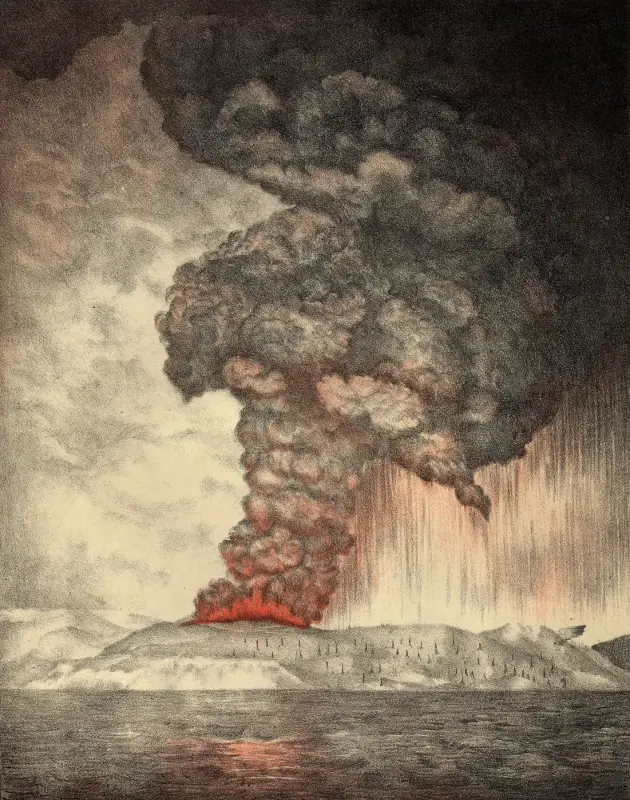
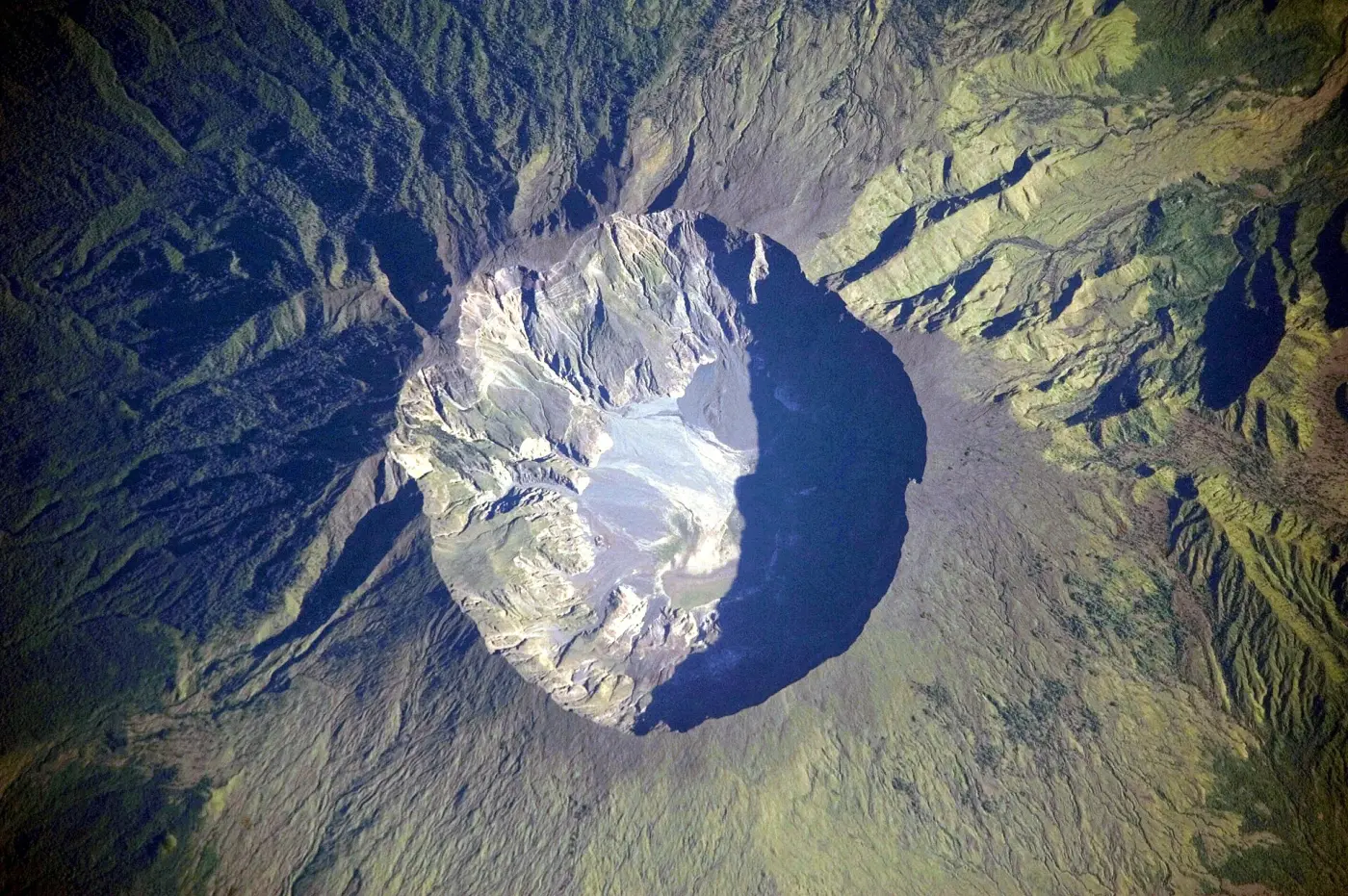
- 1815Tambora erupts
- 1816A "year without a summer" in Europe and North America
- 1816Ghost-story contest on Lake Geneva
- 1817Drais's running machine – link disputed
- 1818"Frankenstein" is published
Less than three years separate the eruption from the finished novel.
A veil of sulfur
The most powerful eruption on record carried sulfur dioxide into the stratosphere, where sulfuric-acid droplets reflected sunlight. The world cooled by 0.4 to 0.7 degrees on average: snow in June in New England, failed harvests in Europe. With the aftermath of the Napoleonic Wars, it became the last great subsistence crisis in the West.
Trapped on Lake Geneva
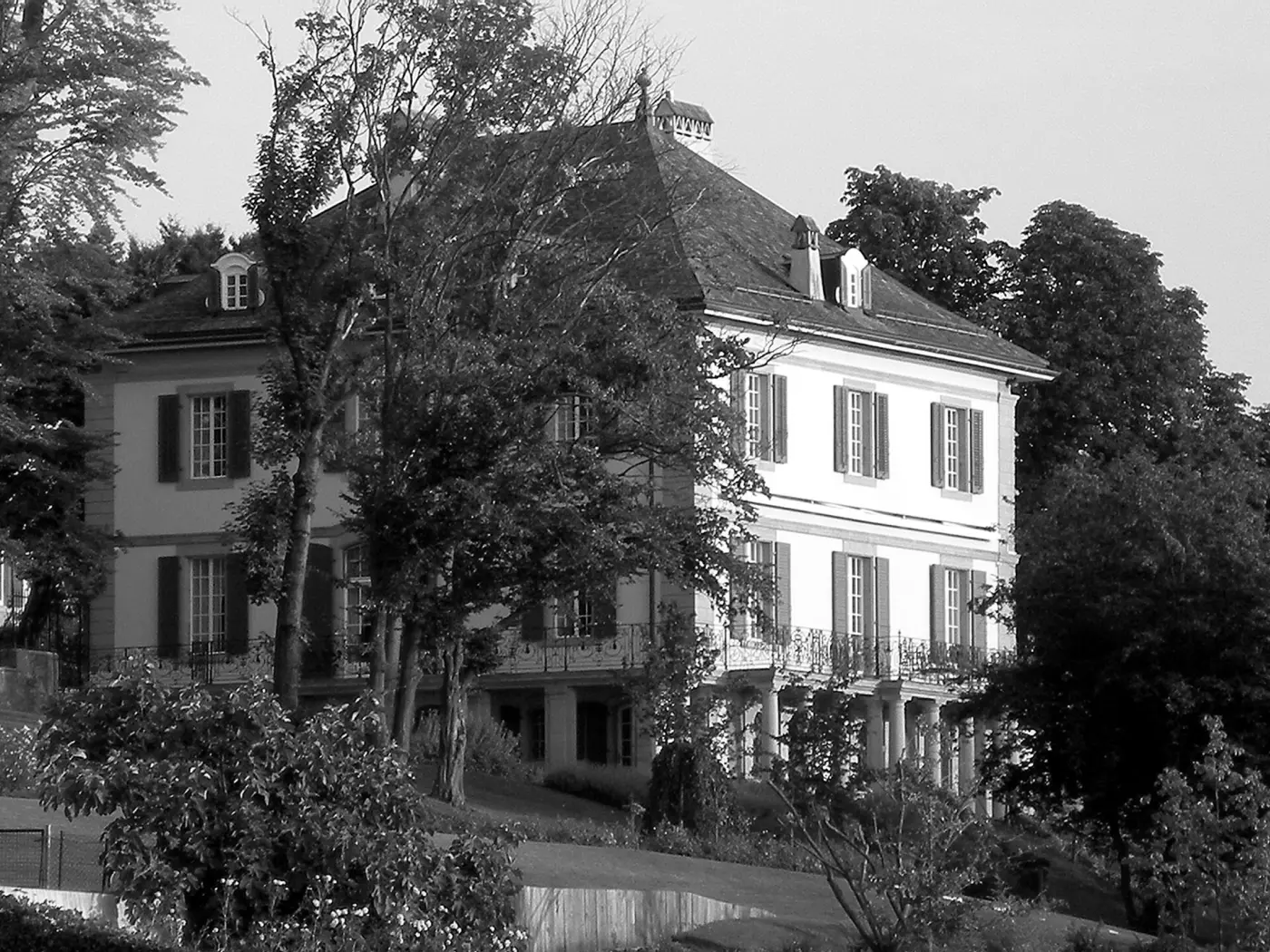
In June 1816, Mary and Percy Shelley were stuck on Lake Geneva with Lord Byron and his physician John Polidori, often at Byron's Villa Diodati. It was "a wet, ungenial summer", Mary Shelley later wrote; the rain often kept them indoors for days. Byron suggested they each write a ghost story. The 18-year-old began "Frankenstein".
And the bicycle?
On 12 June 1817, Karl Drais set off on his running machine, the ancestor of the bicycle. Drais biographer Hans-Erhard Lessing suspects a link: failed harvests made oats scarce, horses died, and a vehicle without a horse was in demand. It is not proven; printed evidence is missing.