A companion that isn't one
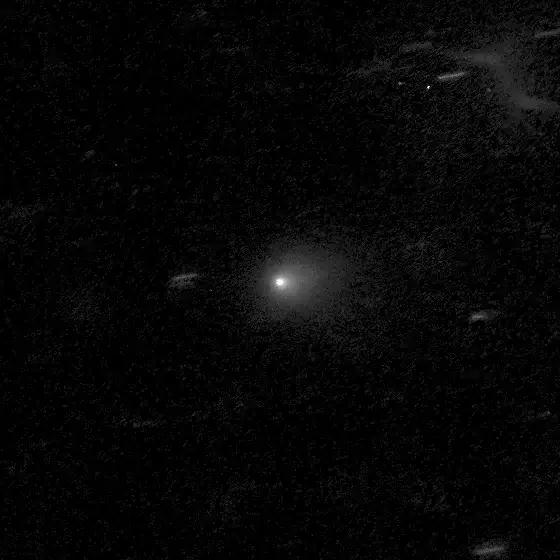
Kamoʻoalewa orbits the Sun almost in lockstep with Earth. Seen from here, it traces a loop around Earth over the course of a year. But it isn't bound to Earth like a real moon: it stays 38 to 100 times as far away as the Moon. It was discovered in 2016 in Hawaii. Its Hawaiian name refers to an oscillating fragment.
Light like Moon rock
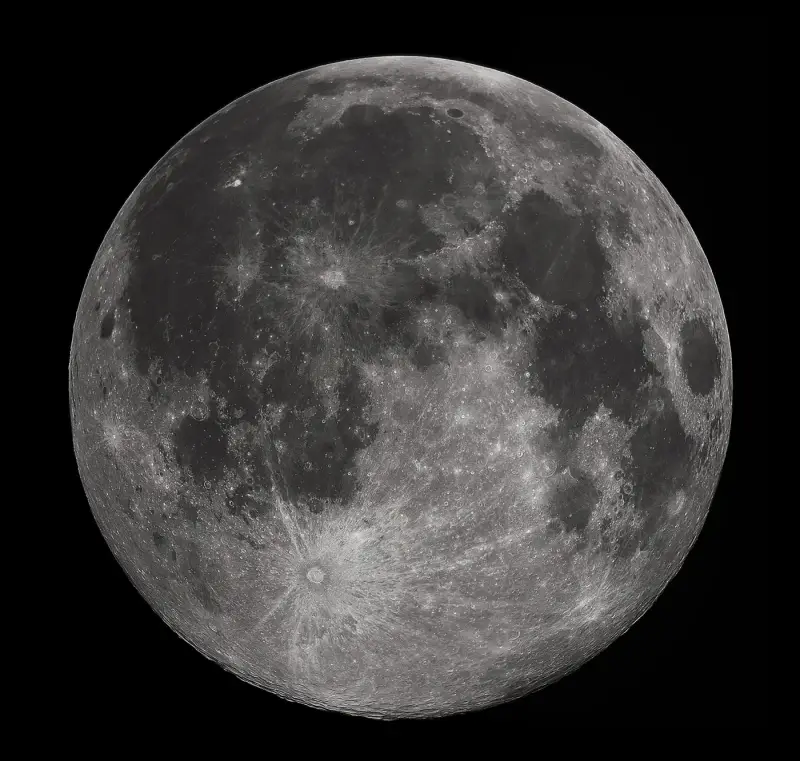
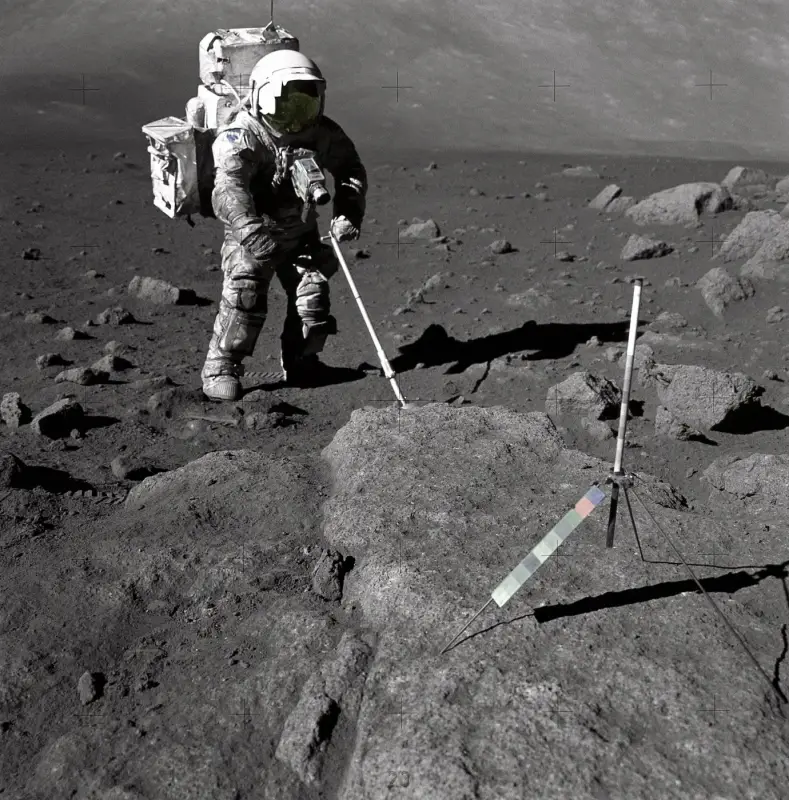
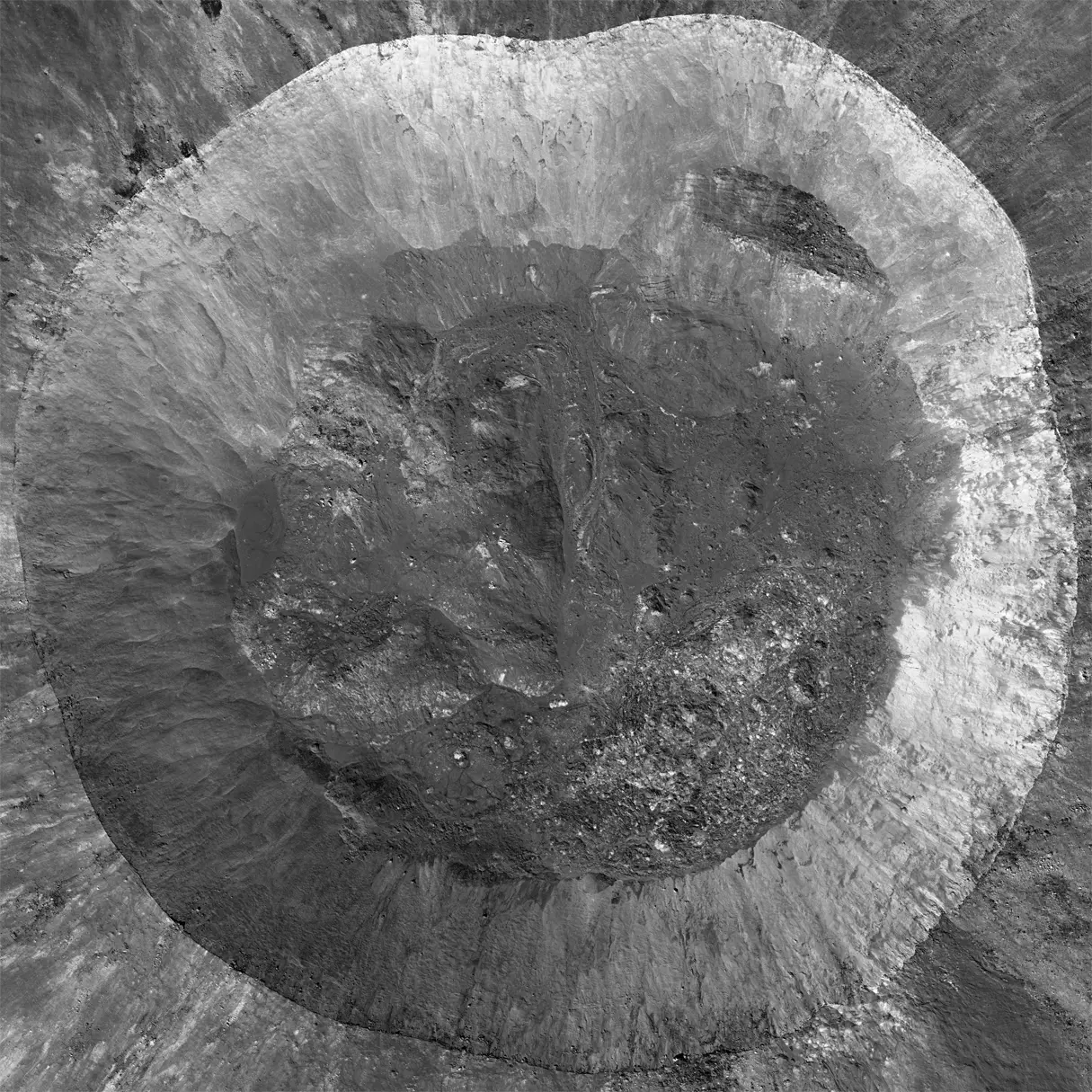
In 2021, a team led by Benjamin Sharkey studied its light. It was unusually red; the best match was Moon-like silicates. In 2024, simulations by a team led by researchers at Tsinghua University showed it fits a fragment from an impact on the Moon. The most likely source, they said, is the Giordano Bruno crater on the Moon's far side.
Your guess
In 2021, Kamoʻoalewa was estimated at 46 to 58 metres. What did 2026 measurements find?
New doubts
In February 2026, a team led by Sharkey measured again, using the Webb telescope. The spectrum was clearly less red than in 2021, more like typical silicate asteroids. A team led by Pengfei Zhang recreated the red spectrum without Moon rock, using meteorite powder aged with a laser. Their conclusion: it probably comes from the asteroid belt.
What's still open
China's Tianwen-2 probe launched in May 2025 and reached Kamoʻoalewa in July 2026. There it is to collect samples. It is due to leave in April 2027, and a capsule is to land in the Gobi Desert in November 2027. Only in the lab can scientists say for sure: piece of the Moon or asteroid?