A net of fungal threads
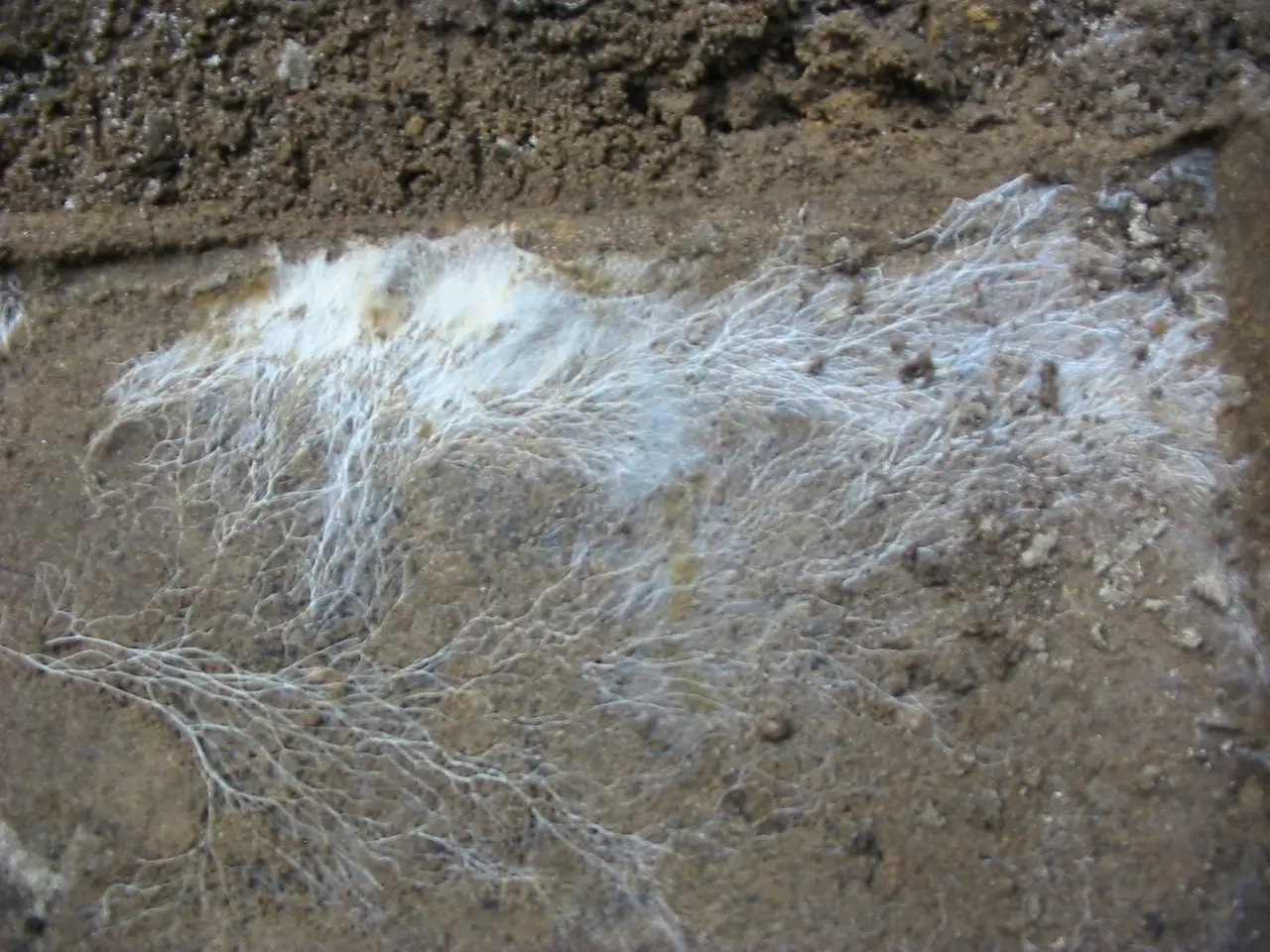
Mycorrhizal fungi live in partnership with plants. Their fine threads can connect the roots of several plants, even of different species. Stories have grown up around this "wood wide web": trees "talk" through it, old mother trees feed their young and warn them about pests. Even the TV series "Ted Lasso" picked up on it.
The 1997 study
A team led by forest ecologist Suzanne Simard labelled young paper birches and Douglas firs in western Canada with carbon isotopes. Result, published in 1997: carbon flowed in both directions, and on balance the Douglas firs gained. It was the first replicated, controlled field study of its kind. In the lab, this had already been shown in 1969.
Your guess
There are around 73,300 tree species. For how many have such fungal networks been mapped?
The fact check
The team also reviewed 26 field studies. Resources can move between trees in the soil, but not necessarily through the fungal network. Being connected helped seedlings about as often as it harmed them, mostly with no effect. That old trees deliberately feed or warn their young through the network is, according to Karst's team, not shown by any peer-reviewed study.
What's still open
Simard and others push back: the critique leaves out relevant studies, they say, and carbon transfer through fungal networks is well documented. That such networks exist is considered established. How widespread they are in forests and how much they help trees is open. According to Karst, the knowledge is not yet enough to guide forestry.